
South Africa is witnessing an intensifying shift towards credit reliance as households struggle to keep up with the rising cost of living. This trend is deepening financial vulnerability and placing millions at heightened risk of falling into the hands of unregulated lenders. According to Jack Halfon, the founder and chief executive of Atlas Finance, many consumers are increasingly dependent on loans simply to sustain everyday expenses, while informal lenders continue to thrive on this widespread distress.
Key Takeaways
- Rising credit reliance signals worsening household strain: Increasing numbers of South Africans are turning to loans to cover both routine expenses and unexpected costs, highlighting deepening financial vulnerability.
- Informal lending remains a major risk despite strong regulation: Mashonisas continue to dominate segments of the market where consumers are excluded from formal credit, exposing millions to predatory practices.
- Formal micro-lenders are expanding to counter illegal lenders: Companies such as Atlas Finance are widening their reach and adopting hybrid models to offer safer, regulated alternatives to financially excluded consumers.
About Arcadia Finance
Apply effortlessly through Arcadia Finance and access 19 reputable, NCR-approved lenders with zero application fees. Experience a simple, reliable way to find the loan that suits you best.
Increased Credit Reliance Amid Financial Strain
The National Credit Regulator maintains an extensive registry of credit providers across the country. However, despite the existence of this formal system, a considerable portion of the population remains excluded from regulated borrowing due to strict qualification criteria. This financial exclusion forces individuals who do not meet formal lending requirements to pursue alternative avenues that often expose them to significant harm. Consumers are reminded that the NCR website provides a public tool to verify whether a lender is legitimately registered.
Industry experts highlight that although inflation has eased from previous peaks, typical households remain burdened by escalating living costs. Many South Africans now resort to loans to bridge monthly shortfalls, attempting to cover routine needs that their incomes can no longer support. In addition to this, a substantial number of people seek credit for sudden or unforeseen expenses such as household repairs or urgent vehicle maintenance, which further intensifies their indebtedness.
Many households now use credit as a safety net simply to afford food, transport and electricity. Our guide on why South Africans rely on credit for day to day expenses unpacks the financial pressures pushing ordinary earners towards expensive borrowing and explains how these habits create long term vulnerability.
Sharp Rise in Overindebtedness
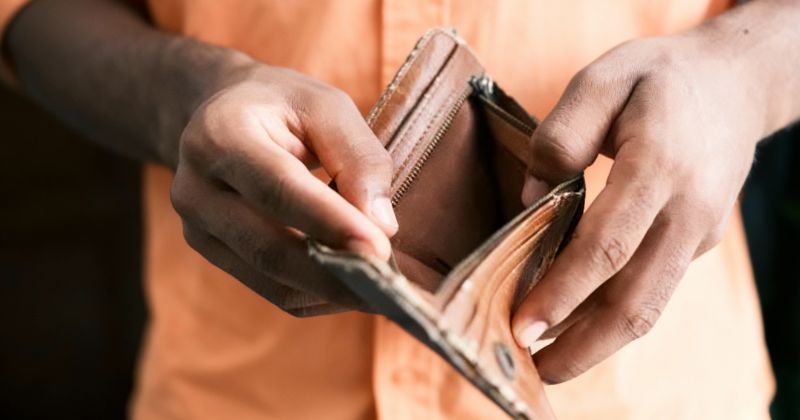
Recent findings from FinMark indicate a troubling upward trajectory in consumer debt. Approximately 10 million South Africans are classed as overindebted within the formal credit system, with more than one third of registered borrowers experiencing repayment challenges. When individuals relying exclusively on informal lenders are included, the total number of overindebted adults rises to around 12 million.
Debt counsellors often suggest the widely used 50-30-20 budgeting method as a helpful structure for households attempting to regain control of their finances.
The sustained pressure on household finances has encouraged the growth of predatory lending practices. Many unregulated lenders take advantage of financially strained individuals who feel excluded from the formal credit sector. These conditions have particularly impacted lower-income earners, including domestic workers and gardeners, who are among the groups most vulnerable to exploitation.
As consumers navigate debt choices, property ownership remains a major financial milestone. Read: Housing Market Signals Big Moment for South African Buyers to know how housing market conditions may offer a more stable long-term financial path than high-risk credit alternatives.
Formal Micro-Lenders Attempt to Fill the Gap
Despite the challenges, established micro-lenders such as Atlas Finance view this environment as an opportunity to extend responsible lending services to people traditionally excluded from the mainstream financial system. Formal providers are increasingly shaping their offerings to reach individuals without access to conventional credit or those facing unexpected financial demands. Borrowers approaching micro-lenders are encouraged to request a pre-agreement statement, which outlines all fees and repayment obligations before finalising a loan.
Halfon remarks that micro-lending serves as a crucial financial bridge for consumers with limited alternatives, providing managed and regulated access to credit where larger institutions are unable or unwilling to intervene. This role is becoming more vital as the divide between formal banking and informal lending widens.
The Divide Between Formal and Informal Lending Markets
South Africa’s credit landscape continues to be sharply segmented. Traditional banks focus largely on formally employed and higher-income consumers, while informal lenders dominate among individuals who lack documentation, stable income or sufficient credit histories. These informal lenders, often referred to as mashonisas, frequently operate without regulatory oversight and apply practices that leave borrowers in long-term financial distress.
One reason mashonisas remain influential is their ability to provide immediate cash without documentation, something formal lenders cannot legally replicate.
Although South Africa’s regulatory framework, supported by the National Credit Regulator and MicroFinance South Africa, is regarded as one of the most developed and structured in the region, it continues to face the persistent challenge of combating the extensive informal lending sector. Many consumers remain financially fragile despite having formal access to banking services, which allows illicit lenders to maintain influence.

Food Security Declines as Borrowers Rely on Credit for Essentials
FinMark’s analysis reveals that financial vulnerability among households is increasing. Food security has deteriorated significantly since 2014, with a growing number of adults relying on credit to purchase basic necessities. In 2024, 43 percent of adults used credit to buy food, representing an increase from the previous year. This signals both rising hardship and a deepening reliance on loans for daily survival.
Growing Focus on Consumer Protection and Hybrid Lending Models
Formal lenders are increasingly working to counter the influence of mashonisas by offering safer alternatives and encouraging consumers to transition to regulated credit solutions. Industry players note that South Africa is seeing a rise in digital lending platforms that broaden accessibility, although in-person assistance remains important, particularly for individuals unfamiliar with financial services or dealing with complicated circumstances. South Africa’s rapid digital-lending expansion has positioned it among the continent’s fastest-growing fintech credit markets, according to regional financial reports.
The credit market is gradually shifting towards a hybrid model that combines technology-driven convenience with personal interaction, consumer education and trusted advisory support. This approach aims to strengthen financial literacy and encourage responsible borrowing among first-time or vulnerable clients.
Loan sharks thrive because many borrowers cannot distinguish a legitimate offer from a dangerous scam. Our guide on how to recognise a loan scam before you fall for it shows the warning signs, red flags and tactics used to trap desperate borrowers, helping readers avoid costly mistakes.

Conclusion
The rising cost of living in South Africa has created a complex financial landscape in which millions of households are increasingly reliant on credit, often turning to informal lenders when excluded from formal channels. While overindebtedness continues to grow and predatory lending remains a serious threat, formal micro-lenders are stepping in to provide regulated, responsible alternatives. The expansion of digital and hybrid lending models, combined with consumer education and stricter oversight, offers a pathway to mitigate financial vulnerability. However, addressing the dual challenge of economic pressure and illegal lending will require sustained regulatory vigilance and ongoing support for financially excluded communities.
Fast, uncomplicated, and trustworthy loan comparisons
At Arcadia Finance, you can compare loan offers from multiple lenders with no obligation and free of charge. Get a clear overview of your options and choose the best deal for you.
Fill out our form today to easily compare interest rates from 19 banks and find the right loan for you.