
Despite a turbulent year marked by both domestic challenges and international market shocks, South African motorists closed out 2025 only marginally worse off in overall fuel price terms. While the year delivered periods of relief at the pumps, these were offset by sharp increases at other points, leaving many drivers feeling little real benefit by December.
Key Takeaways
- Diesel absorbed the biggest increases: While petrol prices ended the year close to where they started, diesel prices rose sharply, with low sulphur diesel increasing by up to 69 cents per litre, placing sustained pressure on households, transport operators and businesses that rely heavily on road freight.
- Monthly volatility masked the real cost impact: Large swings in fuel prices throughout 2025 meant that even small net annual changes translated into meaningful budget strain for motorists, as sharp increases early and late in the year offset periods of temporary relief.
- Fuel levies outweighed favourable market conditions: Despite lower average oil prices and a stronger rand by year end, the increase in the general fuel levy ensured that South African motorists paid more overall, limiting the benefit of improved global pricing dynamics.
About Arcadia Finance
Get your loan sorted quickly with Arcadia Finance. Pay no application fees and choose from 19 reliable lenders that meet South Africa’s credit regulations.
Government Policy and External Pressures
Outside of a global diesel shortage that placed upward pressure on prices across several regions, the government’s decision to increase the general fuel levy ensured that motorists would, on balance, end the year paying more. This increase reduced the impact of favourable movements in oil prices and currency strength, particularly for petrol users.
When assessing fuel price changes over the full twelve month period from December 2024 to December 2025, petrol users experienced a mixed picture rather than a uniform trend. Different fuel grades moved in opposite directions, highlighting how sensitive pricing outcomes can be to both taxation and international supply dynamics.
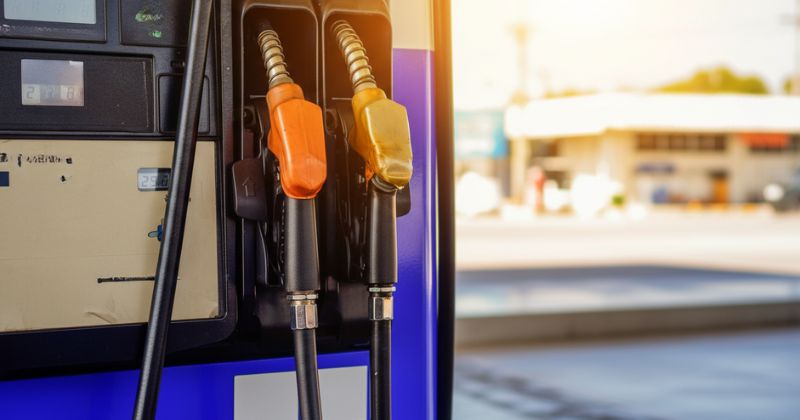
Petrol Price Outcomes Across the Year
Motorists using 93 octane petrol, which is typically cheaper and more widely used in older or smaller vehicles, saw prices edge higher over the year. The price increased by 11 cents per litre, rising from R21.15 at the end of 2024 to R21.26 by December 2025. While this increase may appear modest in isolation, it still represents an added cost over thousands of kilometres of driving.
By contrast, drivers filling up with 95 octane petrol experienced a small measure of relief. The price of this higher grade fuel declined slightly over the same period, falling by 6 cents per litre from R21.47 to R21.41. This reduction, however, was not enough to materially change household transport budgets for most motorists.
Diesel Drivers Bear the Brunt
The most significant pressure was felt by diesel users, who were exposed to sharper price movements throughout the year. Diesel prices are generally more sensitive to geopolitical disruptions, supply constraints, and shifts in global trade patterns, all of which featured prominently during 2025.
For motorists using diesel with a 0.5 percent sulphur content, prices increased by 57 cents per litre over the year. This pushed the cost from R19.21 in December 2024 to R19.78 by December 2025, adding a noticeable burden for frequent drivers and commercial operators.
Even steeper increases were recorded for diesel with a 0.05 percent sulphur content. Prices for this cleaner fuel rose by 69 cents per litre over the twelve month period, climbing from R19.33 to R20.02. This represented the largest annual increase across all major fuel types.
Diesel price increases often filter into food and retail prices due to higher transport and logistics costs.
What the Price Changes Mean at the Pump
In practical terms, the impact on motorists becomes clearer when translated into a typical refuelling scenario. A driver filling a 50 litre tank from empty would now pay approximately R5.50 more for Petrol 93 than a year ago. Petrol 95 users would spend about R3.00 less for the same fill-up.
Diesel users, however, face a far heavier burden. Depending on the sulphur content, a full 50 litre refill now costs between R28.50 and R34.50 more than it did at the end of 2024, placing sustained pressure on household budgets and transport dependent businesses.
Fuel price hikes quickly ripple through food prices, transport expenses, and household budgets. A clear look at the cost of living in South Africa shows how small changes at the pumps can have a big effect on everyday spending.
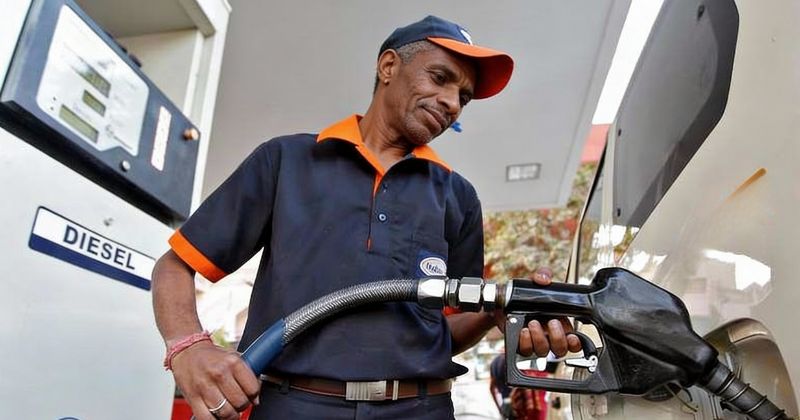
Petrol and Diesel Price Changes in 2025
| Month | Petrol 93 | Petrol 95 | Diesel 0.5% | Diesel 0.05% |
|---|---|---|---|---|
| Start | R21.15 | R21.47 | R19.21 | R19.33 |
| January | +19 | +12 | +8 | +11 |
| February | +82 | +82 | +105 | +101 |
| March | -7 | -7 | -18 | -24 |
| April | -58 | -72 | -84 | -86 |
| May | -22 | -22 | -42 | -41 |
| June | -5 | -5 | -37 | -37 |
| July | +55 | +52 | +82 | +84 |
| August | -28 | -28 | +65 | +63 |
| September | -4 | -4 | -56 | -57 |
| October | +1 | +8 | -10 | -8 |
| November | -51 | -51 | -21 | -19 |
| December | +29 | +29 | +65 | +82 |
| Final | R21.26 | R21.41 | R19.78 | R20.02 |
| Total Change | +11 cents | -6 cents | +57 cents | +69 cents |
This table shows how fuel prices in South Africa moved month by month during 2025, highlighting just how volatile the year was despite relatively small net changes by December. Petrol prices experienced both sharp increases and deep cuts, largely cancelling each other out over the year, while diesel prices were far more sensitive to global supply disruptions and market shocks. The largest increases occurred early in the year and again in mid-winter and December, while the steepest declines were recorded during autumn when oil prices eased and the rand strengthened. Overall, the data illustrates that even when annual price changes appear modest, frequent monthly swings can still place sustained pressure on household and business fuel budgets.
Fuel price hikes highlight the importance of being financially prepared for unexpected cost increases but building an emergency fund gives motorists a safety net when transport expenses suddenly jump.
Ups and Downs in the Global and Local Context
Although the final outcome for 2025 appears relatively flat when viewed in isolation, the journey to that point involved substantial fluctuations. Fuel prices in South Africa are primarily driven by changes in international oil prices and movements in the rand against the US dollar, both of which experienced extreme swings during the year.
Oil Prices Shift Direction
Global oil prices began the year at elevated levels, trading around $80 per barrel. These prices reflected lingering geopolitical tensions, seasonal demand pressures, and constrained inventories that had carried over from the previous year.
As 2025 progressed, however, supply conditions improved markedly. Oil producers, including members of OPEC+, increased output at a time when demand growth began to slow. This shift was compounded by the return of the Trump administration to the White House and the launch of a broad global tariff campaign.
The imposition of new tariffs weakened economic activity in several oil consuming regions, reducing demand just as supply was expanding. This imbalance drove a sharp reassessment of market expectations, pushing oil prices down to below $60 per barrel from their early year highs.
Over the full year, oil prices averaged approximately $68 per barrel, with prices towards the end of 2025 sitting at the lower end of that range. Market analysts expect this softer pricing environment to persist, with supply surpluses forecast for 2026 and beyond.
Lower oil prices help contain inflation but do not automatically translate into cheaper fuel when taxes rise.
Rand Performance Adds Another Layer
In parallel with developments in the oil market, the rand delivered a surprisingly strong performance over the course of the year. The currency started 2025 under pressure, trading as weak as R18.99 to the US dollar in January.
As the year unfolded, the US dollar lost ground amid the same trade tensions that disrupted global oil markets. This allowed the rand to strengthen against the greenback for extended periods, offering potential relief for imported fuel costs.
This recovery was not without interruption. A combination of international shocks and domestic instability weighed heavily on local markets at several points. These included direct policy tensions between the Trump administration and South Africa, the 2025 budget standoff, and the near breakdown of the Government of National Unity following disputes between the African National Congress (ANC) and Democratic Alliance (DA) political parties.
During these episodes, the rand briefly touched record weak levels against the dollar, amplifying fuel price pressures. Despite this, markets stabilised later in the year, and the rand exceeded expectations by proving far more resilient during the second half of 2025.

Why Fuel Still Ended Higher
Given the combination of lower oil prices and a stronger rand, South African motorists might reasonably have expected fuel prices to be lower in December 2025 than they were a year earlier. Under normal conditions, these factors would have translated into noticeable savings at the pumps.
However, the increase in the general fuel levy, announced in the May 2025 budget and set at 15 cents per litre, altered the final outcome. This adjustment absorbed much of the benefit created by favourable global conditions, ensuring that motorists were generally worse off by year end despite supportive movements in oil and currency markets.
Conclusion
Fuel prices in South Africa during 2025 tell a story of sharp swings rather than steady trends, with motorists ultimately ending the year slightly worse off despite periods of relief. While falling global oil prices and a stronger rand should have translated into more meaningful savings at the pumps, these benefits were largely absorbed by higher fuel levies and ongoing diesel supply pressures. For many households and businesses, particularly those reliant on diesel, the combination of volatility, policy driven costs and recurring monthly increases made fuel budgeting more difficult and reinforced how sensitive local pump prices remain to both global developments and domestic fiscal decisions.
Fast, uncomplicated, and trustworthy loan comparisons
At Arcadia Finance, you can compare loan offers from multiple lenders with no obligation and free of charge. Get a clear overview of your options and choose the best deal for you.
Fill out our form today to easily compare interest rates from 19 banks and find the right loan for you.