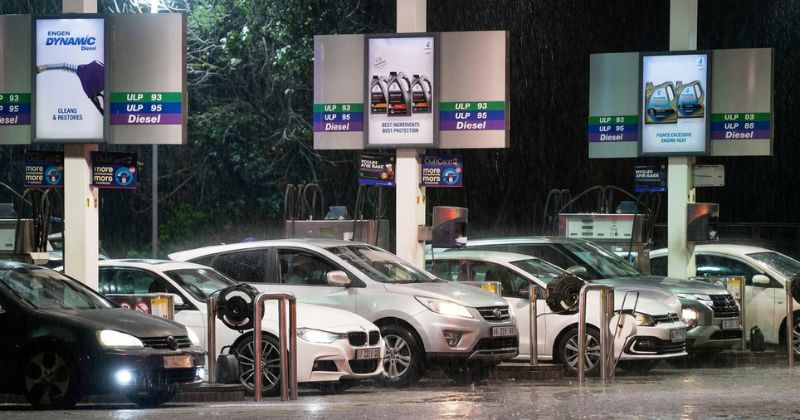
Some of South Africa’s most critical industries are raising urgent concerns as the spiralling cost of diesel, combined with inconsistent supply across various regions, threatens to push businesses to the brink of collapse. Both the road freight sector and the agricultural industry are bearing the brunt of what many are describing as a deepening fuel crisis with far-reaching economic consequences.
Key Takeaways
- Diesel costs are crippling transport operators: A 32.5% price increase in April, with a further R10 per litre forecast for May, is draining cash flow across the road freight industry and pushing smaller companies towards closure.
- Farmers face a double threat: Rising fuel prices combined with unreliable diesel allocations are hitting agriculture hardest during planting and harvesting seasons, when fuel demand is at its peak.
- The wider economy is at serious risk: With agriculture and agro-processing contributing roughly 7% to 8% of GDP and supporting nearly a million jobs, prolonged fuel disruptions could mean widespread job losses and higher food prices for all South Africans.
About Arcadia Finance
Finding the right loan shouldn’t be stressful. With Arcadia Finance, you’ll access 19 reputable, NCR-registered lenders with no application fees. A simple, transparent process designed around your financial wellbeing.
The Road Freight Industry Is Under Severe Financial Strain
Gavin Kelly, Chief Executive Officer of the Road Freight Association, has drawn attention to the severe blow dealt to the road freight industry following an immediate diesel cost increase of 32.5% at the start of April. This sharp and sudden rise has sent shockwaves through an industry that was already operating on tight margins in a challenging economic environment.
Diesel occupies a central position in the cost structure of transport operators, representing a significant share of their total operating expenditure. Depending on the type of vehicle and the routes being serviced, fuel costs alone can account for the following proportion of total operating costs:
- Light and medium freight vehicles: approximately 35% of total operating costs
- Heavy-duty long-haul trucks: up to 55% of total operating costs
A single long-haul truck in South Africa can consume between 35 and 50 litres of diesel per 100 kilometres, meaning even a modest price increase per litre can translate into thousands of rands in additional monthly fuel expenditure per vehicle.
Because diesel constitutes such a large portion of overall expenses, any abrupt price increase carries an immediate and tangible impact on profit margins. The sudden hike is placing enormous strain on the cash flow of transport businesses across the country.

The Cash Flow Problem Threatening Smaller Operators
The cash flow challenge is particularly acute because transport companies are typically required to pay for fuel upfront, whereas payments received from clients can take several weeks or even months to arrive. This mismatch between outgoing fuel costs and incoming revenue creates a funding gap that businesses are forced to bridge using their financial reserves or by drawing on credit facilities.
Kelly has highlighted that access to working capital has become one of the most pressing concerns in the industry, with smaller operators feeling the pressure most acutely.
Transport businesses are advised to renegotiate payment terms with clients where possible, shortening invoice cycles to 15 or 30 days to reduce the funding gap created by upfront fuel costs.
The following table provides a summary of how the diesel price increase is affecting operators at different scales:
| Business Size | Fuel Cost Burden | Access to Capital | Risk Level |
|---|---|---|---|
| Small operators | Very high | Limited reserves and credit | Critical |
| Medium operators | High | Moderate reserves | High |
| Large operators | Significant | Better access to credit | Moderate |
Companies that lack sufficient financial buffers are considerably more exposed to sudden cost increases of this nature. Those that are unable to recover the additional costs through higher tariffs charged to clients may be left with little choice but to scale back their operations. Kelly noted that even larger operators are actively reviewing their cost structures and seeking ways to reduce expenditure wherever possible.
Forecasts Point to Further Price Increases Ahead
The situation is expected to deteriorate further in the coming months. Forecasts from the Central Energy Fund indicate that diesel prices could climb by as much as R10 per litre during May, which would heap additional financial pressure on transporters nationwide.
The potential impact would be especially severe if temporary government relief measures – including the R3 fuel levy adjustment currently in place – are not extended beyond their current timeframe. Kelly has warned that the consequences for the industry could be nothing short of catastrophic, with some of the 2,500 member companies represented by the Road Freight Association potentially shutting their doors within a matter of weeks following any further increase.
Agriculture Is Equally Exposed to the Diesel Supply Crisis
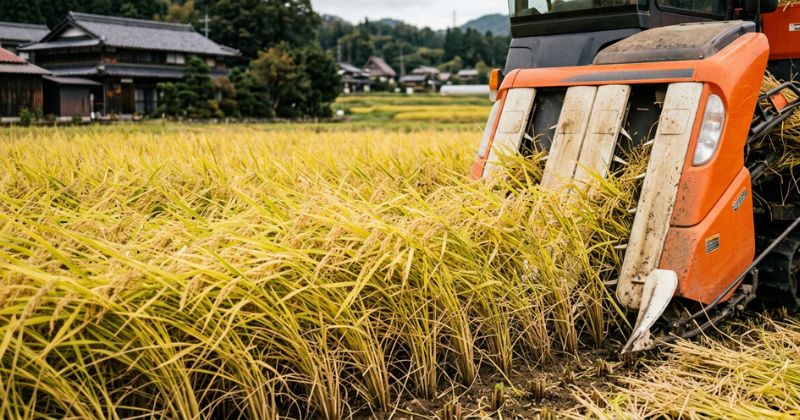
The farming sector is also experiencing considerable hardship, with pressure coming not only from the rising cost of diesel but also from reports of inconsistent and unreliable supply in several parts of the country. The Minister of Mineral and Petroleum Resources, Gwede Mantashe, sought to reassure the public that there is no overall fuel shortage in South Africa and that he does not anticipate one developing.
However, reports emerging from various parts of the country have painted a different picture, with numerous filling stations and fuel wholesalers struggling to source adequate quantities of diesel. The Fuel Retailers Association confirmed that isolated supply challenges do exist, and attributed these largely to delays in distribution logistics rather than a fundamental national shortage.
Farmers Struggling to Secure Consistent Diesel Allocations
Despite the minister’s reassurances, agricultural organisations across the country have reported that access to diesel remains unreliable and inconsistent. The Chief Executive Officer of Agri Western Cape, Jannie Strydom, indicated that feedback gathered from farmers clearly shows that supply is a significant problem. In a number of cases, farmers are receiving only a fraction of their usual diesel allocations, leaving them unable to meet their operational requirements.
Agri Western Cape chairperson Laubscher Coetzee highlighted that the timing of these supply disruptions is particularly significant, given that fuel demand in the agricultural sector tends to spike considerably during planting and harvesting periods – precisely the times when uninterrupted access to diesel is most critical.
Farmers are encouraged to maintain a strategic diesel reserve where storage regulations and cash-flow permit, ideally keeping a buffer stock of at least two to three weeks’ supply during peak operational seasons to guard against distribution delays.
Coetzee also noted that some farmers, anticipating further price increases, have been attempting to purchase additional diesel supplies in advance. While this is an understandable precaution, it may itself be contributing to the supply pressures being experienced in certain areas, as bulk purchasing by some operations reduces availability for others.

The Broader Economic Implications for South Africa
Fuel is a fundamental input cost in agricultural production, and its rising price carries implications well beyond the farm gate. Diesel expenditure accounts for roughly 12% to 18% of total farming expenses, a proportion that is significant enough to affect the financial viability of many operations and to have wider ripple effects throughout the economy.
South Africa’s agricultural sector is one of the most mechanised on the African continent, with diesel-powered machinery used extensively for irrigation, ploughing, planting, harvesting and transportation of produce – making the sector especially sensitive to fuel price volatility.
The scale of the potential impact becomes even clearer when one considers the size and importance of the agricultural sector:
- The sector supports between 920,000 and 935,000 direct jobs across South Africa
- Agriculture contributes approximately 2% to 3% of the country’s GDP
- The agro-processing sector, which is directly fed by agricultural output, contributes a further 5% to GDP
- Agro-processing employs approximately 3% of the total national workforce
Consumers should be aware that sustained increases in diesel prices for farmers and transporters will likely translate into higher food prices at retail level within weeks, as increased input and logistics costs are passed along the supply chain.
Disruptions to farming operations therefore carry consequences that extend far beyond agriculture itself, touching the agro-processing sector, the broader supply chain, and ultimately the cost of food on the shelves of every South African household.
Conclusion
South Africa’s diesel crisis is no longer a looming threat – it is an unfolding emergency that is simultaneously striking two of the country’s most essential industries. With road freight operators facing potential closures and farmers struggling to secure enough fuel to sustain their operations, the consequences will inevitably ripple outward through the supply chain and into the pockets of ordinary South Africans. Unless urgent intervention from government – whether through extended fuel levy relief or measures to stabilise supply – is forthcoming, the damage to jobs, food security, and economic stability could prove far more costly than the price of diesel itself.
Fast, uncomplicated, and trustworthy loan comparisons
At Arcadia Finance, you can compare loan offers from multiple lenders with no obligation and free of charge. Get a clear overview of your options and choose the best deal for you.
Fill out our form today to easily compare interest rates from 19 banks and find the right loan for you.