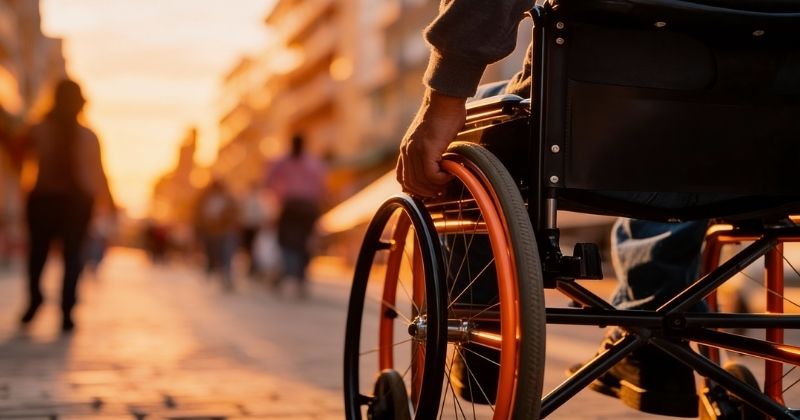
The South African Social Security Agency (SASSA) has confirmed the grant payment schedule for February 2026, providing millions of South Africans with clear timelines for when to expect their monthly financial support. These payments play an essential role in helping vulnerable individuals and families meet their daily needs, covering essentials such as food, healthcare and education. With the cost of living still high and economic pressures continuing into 2026, the reliable disbursement of social grants remains a vital lifeline for pensioners, people with disabilities, caregivers and those relying on the Social Relief of Distress (SRD) grant.
Key Takeaways
- Confirmed February 2026 Payment Dates: SASSA has announced that the Older Persons Grant will be paid on 3 February 2026, the Disability Grant on 4 February 2026, and the Children’s Grants on 5 February 2026, while the SRD R370 Grant will be paid between 21 and 28 February 2026.
- Eligibility and Means Tests: Grants are available to South African citizens, permanent residents, and recognised refugees who meet specific income and asset thresholds. Each grant type, such as the Child Support, Disability, or Older Person’s Grant, has its own criteria and documentation requirements.
- Application Process and Appeals: Grant applications are free of charge and must be completed at a SASSA office or through a representative if you cannot travel. If an application is rejected, applicants have the right to appeal within 90 days to the Minister of Social Development.
About Arcadia Finance
Arcadia Finance makes loan comparison simple. There are no application fees, and you can choose from 19 trusted lenders that meet National Credit Regulator standards.
What Is SASSA?
The South African Social Security Agency (SASSA) was founded in 2005 with the purpose of creating a more organised and efficient method for distributing social grants across the country. Before SASSA was introduced, the responsibility for managing grants rested with individual provincial departments, which often resulted in delays, duplication, and unequal service delivery. The establishment of SASSA brought this process under a single national structure, helping to ensure that assistance was distributed fairly and consistently across all provinces.
Over time, SASSA has achieved considerable improvements in both service quality and operational efficiency. Among its key developments was the introduction of biometric verification, a system designed to reduce fraud and ensure that payments reach legitimate beneficiaries. The agency has also worked to broaden its service offerings and make application processes more accessible, particularly for individuals in remote and rural communities.

Confirmed SASSA Payment Dates for February 2026
SASSA has published its official payment schedule for the 2025/2026 financial year so that beneficiaries across South Africa can plan ahead. The dates for the Older Persons Grant, Disability Grant and Children’s Grant are as follows:
| Grant Type | Payment Date |
|---|---|
| Older Persons Grant | 3 February 2026 |
| Disability Grant | 4 February 2026 |
| Children’s Grants | 5 February 2026 |
| Social Relief of Distress (SRD) Grant (R370) | Between 21 and 28 February 2026 |
These dates apply to all permanent social grants. Since April 2025, all permanent grants (excluding SRD) have been increased, in line with the adjustment announced by the Department of Social Development.
Missed last month’s dates? You can still view the January payment schedule below:
Need to check dates for the following months? See the payment schedules below:
Grant Amounts as of October 2025
Starting in October 2025, SASSA announced a modest increase of R10 to most of its standard social grants in South Africa.
Below are the updated monthly amounts:
- Older Persons Grant: increased from R2 310 to R2 320.
- Older Persons Grant (applicants aged over 75 years): increased from R2 330 to R2 340.
- War Veterans Grant: increased from R2 330 to R2 340.
- Disability Grant: increased from R2 310 to R2 320.
- Care Dependency Grant: increased from R2 310 to R2 320.
These adjustments apply to beneficiaries across all provinces and reflect the latest figures released by SASSA ahead of the October payments.
Many beneficiaries are interested not only in payment dates but also in how grant amounts change over time. The guide on the SASSA pension increase outlines recent adjustments to old age grants and explains how increases are decided.
How to Qualify for South African Social Security Agency Grants in South Africa
The Social Security Agency administers social-assistance services for South African citizens, permanent residents and recognised refugees residing in South Africa. Primary caregivers, foster carers, the elderly, war veterans and those with physical or mental disabilities may all qualify for support.
General Eligibility Requirements
- You must be a South African national, permanent resident or recognised refugee residing in South Africa.
- You must reside in South Africa at the time of application.
- You must not already be receiving another social grant.
- Your income must fall below the applicable threshold (this varies between single applicants and married couples).
- Your assets must not exceed a prescribed limit (again varying between single and married applicants).
- Income thresholds differ depending on the specific grant being applied for.
Various rules apply to each grant, which are summarised further below.

Child Support Grant
This grant supports primary caregivers looking after a child (or children) under the age of 18 who live with them in South Africa. You will not be eligible if the child is cared for in a state institution or is of school age but not attending school. You may claim for up to six children who are neither biologically yours nor legally adopted.
If you are not the child’s biological parent, for example if you are a grandparent, step-parent or aunt, you will need to provide evidence that you are the full-time caregiver. Acceptable proof includes:
- An affidavit from the police
- A social-worker’s report
- An affidavit from the biological parent
- A letter from the child’s school principal
This grant is subject to the means test. For a single caregiver the annual income limit is R61 200. For a married couple the combined annual income must not exceed R122 400.
Parents and caregivers relying on child support grants often need up to date information on benefit amounts. Our guide about revised SASSA childrens grants explains recent changes to grant values and eligibility rules.

Care Dependency Grant
This grant is designed for primary caregivers of children under 18 with permanent physical and/or mental disabilities who require full-time care. The child must live with you (not in a state institution) and must be found severely disabled by a medical officer.
If you are fostering a care-dependent child you may also qualify for the Child Support Grant, since foster parents are not means-tested. Biological parents must undergo the means test. For a single applicant the annual income must not exceed R250 800. For married applicants the combined income must not exceed R501 600.

Foster Child Grant
This grant is available to those fostering a child under 18 who resides with them in South Africa. A court order confirming your status as the designated foster caregiver is required. This grant is not means-tested. The child must remain in your care for the duration of the claim.
Disability Grant
This grant is for individuals aged between 18 and 59 who have been declared medically unfit to work (due to physical or mental disability) by a state-appointed medical officer. It may be granted for a temporary or permanent period (between six and twelve months initially) and must be reapplied for if asked. You cannot claim this grant if you are already receiving another grant or residing in a state institution. The amount is means-tested on a sliding scale. For a single person the annual income must not exceed R97 320 and assets must not exceed R1 379 400. For married persons the combined annual income must not exceed R194 640 and assets must not exceed R2 728 800.
Grant in Aid
This supplementary grant is available to recipients of the Disability, War Veterans or Older Persons grants who are unable to care for themselves and require a full-time caregiver. A medical officer’s assessment is required and you must not live in a state institution.

Older Person’s Grant
Also known as the “old age pension”, this grant is for individuals aged 60 and over who are not already receiving another grant and do not live under state care. It is means-tested. For single applicants the annual income limit is R97 320 and assets must not exceed R1 379 400. For married applicants combined income must be less than R194 640 and assets no more than R2 758 800.

War Veteran’s Grant
This grant is for South Africans who served in either the Second World War or the Korean War, are over 60 or disabled, are not receiving another grant and do not live in a state institution. Because it is means-tested, single applicants must earn under R97 320 annually and hold assets no greater than R1 379 400. Married couples must have combined income under R194 600 (assets no more than R2 758 800).

Social Relief of Distress Grant (SRD Grant)
This temporary grant is for individuals in urgent need of financial support. It is available even if you are already receiving some other social grant. Examples of qualifying circumstances include:
- Waiting for your children’s grant applications to be approved
- Having suffered a crisis or disaster (such as your house burning down)
- Not qualifying for any other grant yet facing a desperate situation
- Temporarily disabled (less than six months) and not eligible for the Disability Grant
- The family breadwinner has died or is imprisoned for six months or less
- A natural disaster hit and the community has not been officially declared a disaster are

Covid‑19 Social Relief of Distress Grant (R350 Grant)
Although the lockdown period has ended, this grant has been extended until at least March 2026 and currently pays R370 per month. It is available to South African citizens, permanent residents, asylum seekers, refugees and special-permit holders aged between 18 and 60 years who are unemployed or earning less than R624 per month. Recipients of Child Support Grants may still claim this SRD grant, but it cannot be combined with other grants. It is excluded from those receiving UIF benefits or a NSFAS Student Funding stipend, and not available to those residing in government-funded institutions.

Tips For Applying For A Social Grant In South Africa
- Apply for a SASSA grant at the office nearest to your place of residence.
- If you are unable to visit in person due to age, illness, or disability, a trusted family member or friend may submit the application on your behalf.
- Your application form will be completed under the supervision of a SASSA official to ensure all details are correctly captured.
- Once your application has been processed, you will receive a receipt confirming submission. Keep this document carefully, as it serves as proof that you have applied.
- There is no cost to apply for a social grant, and no one is permitted to request payment for processing your application.
- If your application is unsuccessful, SASSA must inform you in writing, providing a clear explanation of why it was declined.
- You have the right to appeal the decision by writing to the Minister of Social Development, explaining why you disagree with the outcome. This appeal must be submitted within 90 days from the date you are notified of the decision.
- If you or any child included in your application do not have a 13-digit bar-coded ID book or birth certificate, you may still qualify to apply. Contact your nearest SASSA office to enquire about alternative forms of identification that are accepted for grant applications.

Conclusion
SASSA continues to play a vital role in supporting millions of South Africans through its wide range of social grants. By providing financial relief to the elderly, people with disabilities, caregivers, and individuals facing hardship, the agency helps reduce poverty and promote social stability. Beneficiaries are encouraged to stay informed about payment dates and eligibility criteria to ensure that they receive their grants on time. With improved accessibility and clear appeal processes, SASSA remains an essential part of South Africa’s social support system.
Frequently Asked Questions
When will SASSA grants be paid in February 2026?
The Older Persons Grant will be paid on 3 February 2026, the Disability Grant on 4 February 2026, and the Children’s Grants on 5 February 2026. The SRD Grant will be paid between 21 and 28 February 2026.
Who qualifies for a SASSA grant?
SASSA grants are available to South African citizens, permanent residents, and recognised refugees who meet the required income and asset limits. Each grant type has specific criteria, such as age, disability, or caregiving responsibilities.
How can I apply for a SASSA grant?
You can apply in person at your nearest SASSA office. If you are too ill or elderly to travel, a trusted family member or friend can apply on your behalf. Bring valid identification and any supporting documents required for the grant type.
Is there a fee to apply for a SASSA grant?
No, applying for a SASSA grant is completely free. Applicants should be cautious of anyone asking for payment or personal details outside of official SASSA channels.
What can I do if my application is rejected?
If your application is not approved, SASSA must provide written reasons for the decision. You can submit an appeal in writing to the Minister of Social Development within 90 days of receiving the outcome notice.
Fast, uncomplicated, and trustworthy loan comparisons
At Arcadia Finance, you can compare loan offers from multiple lenders with no obligation and free of charge. Get a clear overview of your options and choose the best deal for you.
Fill out our form today to easily compare interest rates from 19 banks and find the right loan for you.