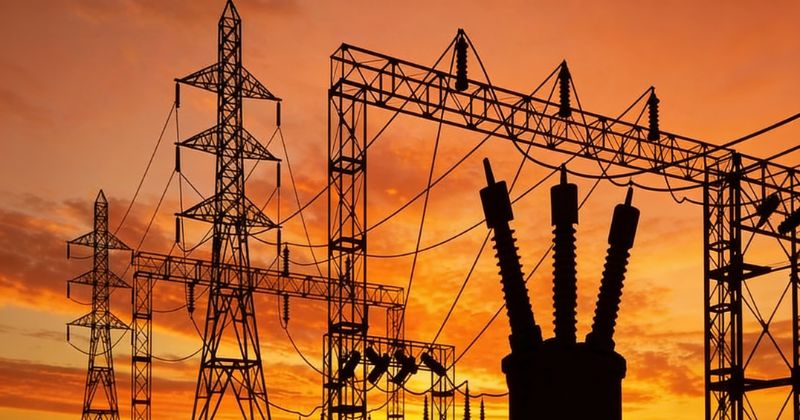
South African electricity consumers are facing the prospect of a significant new financial burden, with Eskom seeking to recover an additional R76 billion in revenue, a move that could almost double the electricity price increases originally planned for 2026.
Key Takeaways
- Electricity prices could rise far more than expected: Eskom’s revised revenue claim of R76 billion means electricity tariffs may increase by around 10.5%, nearly double the originally planned hike for 2026, placing additional pressure on households and businesses.
- Regulatory errors are driving higher costs for consumers: Miscalculations by Nersa related to depreciation and asset returns have significantly inflated Eskom’s allowable revenue, resulting in consumers being asked to cover past accounting mistakes and construction cost overruns.
- Public input can still influence the final outcome: The court-mandated consultation process gives electricity users an opportunity to comment before the 21 January deadline, ahead of a final regulatory decision that could shape tariffs from April and July 2026 onward.
About Arcadia Finance
Apply for a loan with ease through Arcadia Finance. Compare offers from 19 trusted, NCR-registered lenders with no application fees. Enjoy a simple process and reliable options designed to suit your financial needs.
Nersa’s Revenue Miscalculation and Its Consequences
The National Energy Regulator of South Africa (Nersa) acknowledged that it made errors when calculating Eskom’s allowable revenue during the original MYPD6 decision-making process. These mistakes influenced the tariff adjustments that were approved for the three year cycle, which included increases of 12.7% in 2025, 5.4% in 2026, and 6.2% in 2027.
Allowable revenue calculations directly determine how much Eskom can recover from customers, meaning even small miscalculations can have nationwide cost implications.
Following an internal review later in the year, Nersa entered into a closed settlement process with Eskom. As part of this arrangement, the regulator attempted to secure court approval for Eskom to recover an additional R54 billion through higher electricity tariffs.
Since the 2025 increase had already been implemented, the plan would have shifted the additional revenue recovery into the remaining two years of the cycle. This would have resulted in electricity price hikes of close to 9% in both 2026 and 2027.
The electricity price hike comes at a time when households and businesses are already under strain from years of power interruptions. The full impact of ongoing outages is explored in our report on economic pressures from load shedding, which outlines how unreliable electricity supply continues to drive up everyday living costs.

Court Intervention and Public Consultation
The proposed settlement was challenged by Afriforum and the Mineral Council of South Africa, who raised concerns about the lack of transparency surrounding the agreement. The court ultimately rejected the attempt to finalise the settlement behind closed doors and instructed Nersa to conduct a public consultation process instead.
As a result of this court order, Nersa published a consultation paper inviting public comment. However, the document revealed that the regulator had conducted another recalculation of Eskom’s revenue requirements, increasing the amount Eskom is seeking to recover from R54 billion to R76 billion. This represents an additional R22 billion being added to the total.
Nersa attributed this increase primarily to rising costs linked to Eskom’s new power generation projects, costs that the regulatory framework allows the utility to recover through electricity tariffs.
Potential Impact on Electricity Tariffs
Energy producer IMPOWER Solar analysed the revised figures and estimated that if the full R76 billion adjustment is approved, electricity tariffs could increase by approximately 10.5% in the current year.
Electricity price hikes often have a knock-on effect on food prices, transport costs and municipal service charges.
This projected increase is nearly double the 5.4% rise that had originally been anticipated for 2026 before the revenue redetermination process. If implemented, it would also push the average annual electricity price increase over the past five years to roughly 15%.
The longer term trend remains concerning. Prior to the MYPD6 period, a typical Eskom customer had already experienced an increase of nearly 180% in their electricity bill over the decade between 2014 and 2024. Despite this steep escalation, electricity prices continue to rise at levels many consider economically unsustainable.
Public Comment Process Under Scrutiny
According to IMPOWER energy expert Matthew Cruise, public participation in the consultation process is essential, even though the circumstances surrounding the release of the document make meaningful engagement difficult.
The consultation paper was published on 30 December, with a submission deadline set for 21 January. This narrow timeframe significantly limits the ability of households, businesses, and industry bodies to fully assess the implications and prepare detailed responses.
Even short submissions highlighting affordability concerns can influence how regulators assess public impact.
In addition, the structure of the consultation focuses heavily on technical, legal, and accounting considerations. Rather than directly asking whether the proposed increase is acceptable, the document requires respondents to provide input on how Eskom could be prevented from receiving excessive compensation across ten highly specific areas.
Accounting Errors and Cost Overruns
Cruise explained that the R76 billion adjustment is largely driven by two components. Approximately R62 billion relates to a shortfall in depreciation, while a further R14 billion is linked to returns on assets that Nersa has acknowledged were incorrectly calculated in previous tariff determinations.
He raised concerns that, after more than 15 years of electricity price determinations, fundamental accounting principles such as asset depreciation remain a point of dispute between the regulator and Eskom.
Much of the depreciation in question is associated with power stations whose construction costs far exceeded original budgets. As a result, South African electricity users are now being asked to absorb the financial consequences of those cost overruns through higher tariffs.
Rising electricity prices are only one part of a broader affordability crisis affecting many South Africans. Practical guidance on managing tighter budgets can be found in our guide to coping with the cost of living in South Africa, which offers real steps to reduce monthly expenses.

Economic Risks and Unequal Burden
Cruise warned that repeated and substantial electricity price increases risk placing additional strain on an already fragile national economy. He noted a growing perception that the regulator is struggling to balance its core responsibilities of keeping electricity affordable while ensuring Eskom manages its costs effectively.
He also highlighted concerns about the uneven distribution of electricity costs across different customer groups. While large industrial users and specific sectors often receive tariff relief or preferential pricing arrangements, the resulting revenue gaps are typically recovered from households and smaller businesses.
This dynamic means that ordinary consumers and smaller enterprises shoulder a disproportionate share of Eskom’s rising costs, further intensifying the financial pressure they face.
Key Dates and Next Steps
For these reasons, energy experts are urging all electricity users to review the Nersa consultation paper carefully and submit comments before the closing date.
The public participation process is scheduled to conclude on 21 January 2026. Nersa is expected to announce its final decision by 30 January 2026.
Regulatory decisions can still be challenged in court if procedural or legal flaws are identified.
If the proposed adjustments are approved, the revised tariffs are likely to take effect on 1 April 2026 for customers supplied directly by Eskom, and on 1 July 2026 for customers who receive electricity through municipal distributors.
Conclusion
South Africa’s latest electricity pricing dispute highlights the growing tension between maintaining Eskom’s financial viability and protecting consumers from escalating costs. The proposed 10.5% tariff increase reflects not only rising infrastructure expenses but also long standing regulatory and accounting challenges that continue to burden households and businesses. With electricity prices already having climbed sharply over the past decade, the outcome of Nersa’s final decision will have meaningful implications for affordability, economic growth, and public trust in the regulatory process, making active public participation in the consultation period more important than ever.
Fast, uncomplicated, and trustworthy loan comparisons
At Arcadia Finance, you can compare loan offers from multiple lenders with no obligation and free of charge. Get a clear overview of your options and choose the best deal for you.
Fill out our form today to easily compare interest rates from 19 banks and find the right loan for you.