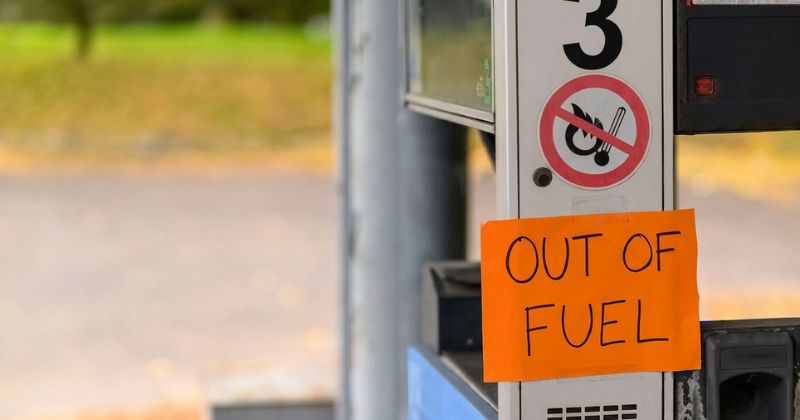
South Africa’s authorities have issued a strong appeal for restraint as concerns about potential fuel shortages begin circulating widely among the public. Officials are working to counter misinformation and maintain stability in fuel purchasing behaviour.
Key Takeaways
- No National Fuel Shortage Confirmed: Authorities maintain that fuel supply across South Africa remains stable, with only isolated logistical disruptions affecting limited areas.
- Panic Buying Risks Disrupting Supply: Officials warn that unnecessary rushes to fuel stations could strain distribution systems, create congestion, and worsen localised availability issues.
- Fuel Prices Set to Rise Sharply: Despite stable supply, significant fuel price increases are expected in April due to deepening under-recoveries and limited government capacity to provide relief.
About Arcadia Finance
Secure your loan with ease through Arcadia Finance. Pay no application fees and compare offers from 19 trusted lenders, all compliant with South Africa’s National Credit Regulator. Enjoy a fast, simple process tailored to your financial needs.
Authorities Urge Motorists to Avoid Panic Buying
The Department of Mineral and Petroleum Resources together with the Fuels Industry Association of South Africa have formally encouraged motorists across the country to refrain from panic-driven fuel purchases, following widespread claims suggesting that shortages are imminent.
According to the department, a public communication released on Friday, 20 March, clearly stated that South Africa is not currently facing a nationwide fuel supply crisis, despite rumours gaining traction on social media platforms.
The department further clarified that messaging from certain organisations and individuals advising motorists to rush to petrol stations due to alleged shortages and anticipated price increases should not be taken seriously and ought to be disregarded.
Officials reiterated that the country’s fuel supply situation remains stable for the foreseeable future, emphasising that there is no legitimate justification for panic buying or stockpiling of fuel.
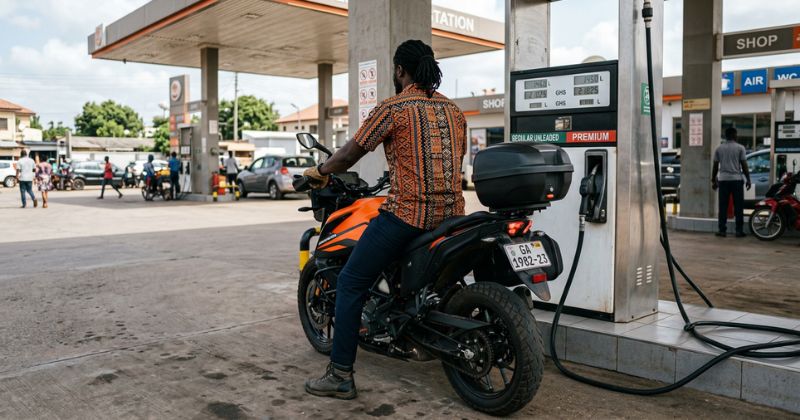
Localised Challenges Not A National Crisis
While acknowledging that some areas may experience limited disruptions, the department explained that these are isolated and localised logistical issues that can occasionally affect fuel distribution and availability in specific regions.
These disruptions were described as operational challenges rather than indicators of a broader systemic shortage, and authorities confirmed that such issues are being actively addressed through established regulatory and industry mechanisms.
The department also stressed that these localised concerns are not linked to global geopolitical developments that have influenced international commodity markets or contributed to recent spikes in fuel price under-recoveries.
- Local supply disruptions are limited to specific areas
- These are caused by logistics or distribution constraints
- They do not reflect a nationwide shortage
- Systems are in place to resolve them quickly
Motorists can check with multiple nearby fuel stations rather than relying on a single location to avoid unnecessary stress during local supply hiccups.
Authorities warned that misinformation could unnecessarily alarm the public, leading to confusion and irrational consumer behaviour.
They further noted that encouraging people to rush to fuel stations places avoidable strain on supply chains, increases congestion at forecourts, and heightens anxiety among consumers.
As a result, the public has been advised to continue purchasing fuel in a normal and measured manner, without altering typical consumption habits.
The department and the Fuels Industry Association confirmed that they will continue to closely monitor the situation and provide updates through official communication channels should any verified developments arise.
Fuel Price Surge Expected Despite Stable Supply
Even though supply remains steady, a sharp increase in fuel prices is expected in April, largely driven by market conditions and fiscal factors beyond immediate control.
Recent figures released by the Central Energy Fund indicate that fuel price under-recoveries have worsened significantly by the third week of March.
Current Under-Recoveries Snapshot
| Fuel Type | Under-Recovery Range |
|---|---|
| Petrol | R4.68 – R5.20 per litre |
| Diesel | R8.52 – R8.64 per litre |
These under-recoveries are calculated prior to the anticipated fuel tax increase of 21 cents per litre, which is scheduled to take effect on 1 April.
Under-recovery refers to the gap between the actual cost of fuel and the regulated pump price, meaning prices are likely to rise to close that gap.
Calls for Government Intervention Grow
Civil society organisations, including AfriForum, have urged the government to intervene in order to cushion consumers and businesses from the impending price increases.
One commonly referenced example is the government’s previous intervention during the global market disruption caused by Russia’s invasion of Ukraine, when the general fuel levy was temporarily reduced by R1.50 per litre.
However, replicating such relief measures appears increasingly unlikely under current fiscal conditions.
Treasury Signals Limited Capacity for Relief
National Treasury has indicated that it has very limited financial flexibility to absorb or offset the expected increase in fuel prices.
Treasury director-general Duncan Pieterse explained that implementing meaningful relief would require substantial financial resources, which are not currently available within the country’s fiscal framework.
He added that without sufficient budgetary capacity, the government is left with two realistic options:
- No financial relief at all
- A minimal and highly constrained support measure
Any potential relief, if introduced, would likely follow a similar structure to that used in 2022 – meaning it would be temporary, modest in scale, and funded within existing budget limitations.
Consumers can reduce fuel costs by maintaining tyre pressure, avoiding aggressive driving, and planning routes efficiently – small adjustments can lead to noticeable savings over time.

Outlook Remains Stable But Cost Pressures Mount
In summary, while South Africa’s fuel supply remains secure in the short term, financial pressures linked to rising global prices and domestic fiscal constraints are expected to impact consumers significantly in the coming months.
Authorities continue to emphasise the importance of calm, responsible behaviour among motorists, warning that panic buying could create unnecessary disruptions in an otherwise stable supply environment.
Conclusion
South Africa’s fuel situation remains stable in terms of supply, but mounting price pressures are set to place increasing strain on consumers and businesses alike in the months ahead. While authorities continue to discourage panic buying and reassure the public that no national shortage exists, the reality of rising costs appears unavoidable given current market conditions and limited fiscal capacity for government intervention. As a result, motorists are likely to feel the impact at the pumps soon, making it increasingly important to adopt more mindful fuel usage and budgeting practices.
Fast, uncomplicated, and trustworthy loan comparisons
At Arcadia Finance, you can compare loan offers from multiple lenders with no obligation and free of charge. Get a clear overview of your options and choose the best deal for you.
Fill out our form today to easily compare interest rates from 19 banks and find the right loan for you.