
The National Minimum Wage Commission has put forward a recommendation that the wage floor for South African workers should rise in 2026 by an amount equal to the Consumer Price Index (CPI) plus an additional 1.5 percent, forming part of its annual advisory process that determines how statutory earnings change over time.
Key Takeaways
- Proposed increase based on CPI plus 1.5 percent: The National Minimum Wage Commission recommends a 2026 adjustment that could lift the hourly rate to just above R30 if inflation trends hold.
- Concerns about enforcement and employment practices: Stakeholders caution that compliance remains uneven, particularly in informal sectors, and some employers may reduce working hours rather than raise total pay.
- Public comment open until 12 January 2026: Citizens, unions and businesses can still submit input, which will influence the final adjustment announced by the Department of Employment and Labour.
About Arcadia Finance
Secure your loan with ease through Arcadia Finance. Pay no application fees and compare offers from 19 trusted lenders registered with the National Credit Regulator. Enjoy a smooth process and solutions tailored to your financial goals.
How the Recommendation Process Works
As part of its routine procedure, the commission releases its proposed adjustment for public scrutiny, inviting comments from citizens, labour bodies, employer organisations and industry specialists. After the consultation window closes, the recommendations are submitted to the Department of Employment and Labour, which then reviews all input and confirms the official minimum wage increase early in the year so it can take effect from March. Individuals can strengthen their submissions by providing data or examples that demonstrate real wage challenges in their sector. This public involvement step is essential because it allows workers and employers to present real-world impacts, helping the commission bridge the gap between economic theory and on-the-ground reality.
Public participation has increasingly become a defining feature of South Africa’s wage-setting process. Many contributors highlight sector-specific challenges, such as cost pressures in agriculture, seasonal fluctuations in tourism, or persistent wage disparities in domestic work. Submissions may include detailed breakdowns of business expenses, examples of non-compliance, or evidence of how the current minimum wage affects household affordability. These insights enrich the deliberations and ensure that the final recommendation reflects the lived experiences of millions of workers.
The Department of Employment and Labour then compiles all submissions, weighs them against economic indicators and prepares the final wage adjustment. At this stage, government must consider not only worker welfare but also macroeconomic stability, inflation control and employment retention. This balancing act is central to determining a wage that uplifts workers without jeopardising the viability of businesses across South Africa.
South African households continue to face steep grocery bills, and even with a potential wage increase on the horizon, food inflation is still crushing many budgets. Our report on rising food prices continue to deepen financial strain uncovers why essentials are becoming more expensive and how families can realistically adapt.
Mixed Reactions From Stakeholders
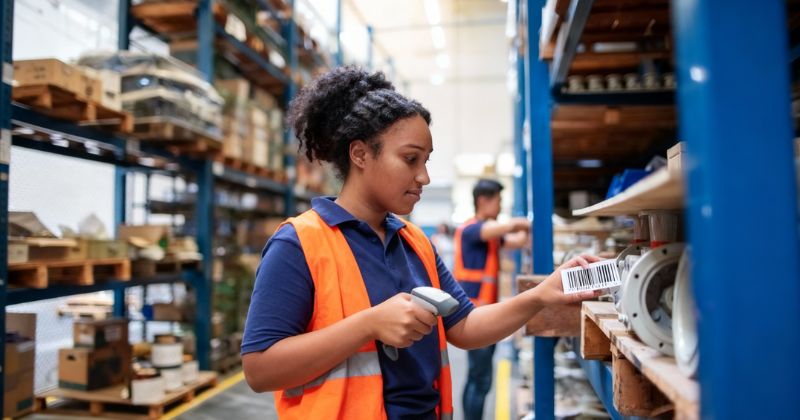
Workers and unions generally welcome increases to the national minimum wage because they improve take-home pay in a strained economic environment. Employers and business groups often express reservations, arguing that higher labour expenses may intensify operational pressures when profits are already tight. Many workers view the increase as overdue, especially when food inflation and transport costs continue to outpace general inflation. In sectors such as cleaning, hospitality and security services, even a small increase can significantly improve financial stability for low-income households.
However, business representatives often highlight that certain industries operate on exceptionally narrow profit margins, leaving little room for additional wage costs. Small enterprises in rural communities, for example, may already be grappling with high fuel prices, limited market access and unstable electricity supply. Wage increases can therefore place additional strain on these businesses, potentially influencing hiring decisions or encouraging informal employment practices.
Trade unions counter these concerns by arguing that fair wages contribute to economic growth by increasing consumer spending power, which benefits local businesses. Higher wages also reduce reliance on government assistance programmes, strengthening socio-economic resilience.
Understanding the gap between low-income earners and the broader workforce is crucial for evaluating wage reforms. Our analysis of the average salary in South Africa reveals how different industries and job levels compare, whether the proposed 2026 wage is keeping pace with real earnings across the country.
Concerns About Enforcement and Employment Outcomes
Various stakeholders, particularly unions, have pointed out that the national minimum wage is not always enforced adequately, especially in sectors where employment arrangements are informal. Domestic work remains one of the most affected categories, as private households sometimes pay below the legal rate or avoid employment altogether. Domestic workers became fully aligned with the national minimum wage only in 2022, after years of gradual increases to close the gap. Despite this progress, enforcement remains uneven because government inspectors cannot easily access private homes, and domestic workers often hesitate to report non-compliance due to job security concerns.
Broader enforcement challenges also affect agriculture, informal retail and small-scale service industries. Some employers may misclassify workers, under-report working hours or issue incomplete payslips. These practices undermine the purpose of the minimum wage and leave workers vulnerable to exploitation. Strengthening enforcement mechanisms, including digital reporting tools and anonymous complaint channels, could help bridge this gap.
Impact of Avoidance Practices by Employers
Some employers respond to wage increases by reducing workers’ hours to avoid paying more overall, which limits the effectiveness of minimum wage protections and heightens financial uncertainty for employees. This trend is particularly noticeable in sectors where flexible scheduling is common, such as hospitality, retail and seasonal farming. While reducing hours does not violate the law, it prevents workers from experiencing the full financial benefit of the wage increase.
In more severe cases, employers may restructure operations, replace full-time workers with part-time staff or outsource labour to subcontractors. These changes may weaken job security and reduce opportunities for stable income growth. Economists warn that such practices may have long-term implications for productivity, labour skills development and worker morale.

Purpose of the Recommendation
The commission stated that the proposed increase reflects its responsibility to promote fair treatment for vulnerable workers while ensuring that wage policies remain supportive of long-term business sustainability. The recommendation follows an extensive review that includes economic assessments, expert contributions, public participation and internal deliberations.
Businesses often benefit from forecasting wage adjustments a few months in advance so that payroll systems can be updated without errors.
The commission’s mandate requires it to protect vulnerable workers while balancing broader economic considerations. Minimum wages play a crucial role in preventing extreme exploitation and reducing inequality, especially in a country where wage disparities remain among the highest in the world. Yet the commission also recognises that excessive wage increases could destabilise fragile industries or encourage informal employment.
To avoid these risks, the commission evaluates international research on minimum wages, monitors long-term labour-market shifts and identifies vulnerable job categories that may be disproportionately affected by wage increases. This approach ensures that wage policy aligns with both social justice and economic resilience.
What the National Minimum Wage Represents
The national minimum wage is defined as the lowest permissible hourly rate an employer may pay for ordinary working hours. Paying below this threshold is unlawful. The current wage stands at R28.79 per hour and directly affects approximately 5.5 million workers. The minimum wage is therefore a powerful policy instrument shaping the income of a significant portion of South Africa’s workforce.
For many low-wage workers, the national minimum wage forms the foundation of their entire household income. When electricity tariffs rise, transport costs increase or food prices spike, these families face disproportionate financial strain. Adjusting the minimum wage annually helps cushion the impact of inflation and contributes to maintaining basic living standards.

Expected Increase Based on Current Inflation Trends
If inflation averages around 3.5 percent in 2025, the national minimum wage may increase by roughly 5 percent, raising it to an estimated R30.23 per hour in 2026. However, the final figure will depend on inflation recorded six weeks before the first of March, which is the activation date for the new rate. Projection figures therefore remain approximate until the department issues its official notice.
This calculation window ensures that the wage adjustment reflects the most recent inflation data, reducing the lag between economic conditions and wage implementation. However, it also introduces variability because inflation can fluctuate significantly within short periods. Global economic shocks, currency movements and changes in fuel prices all influence the inflation trajectory.
Public Comment Period
The commission will accept public comments on the proposed adjustment until 12 January 2026, after which all submissions will be reviewed before a decision is finalised. Public interest in minimum wage consultations has grown steadily, with digital submissions increasing each year. This rise in participation demonstrates that South Africans are becoming increasingly aware of the importance of wage policy and its impact on daily life.
Workers often use the platform to describe the cost of living in their communities, while employers provide detailed accounts of operational costs and hiring challenges. Civil-society organisations, academic researchers and labour economists also participate, offering analyses that contribute to a more balanced and evidence-driven policy outcome.
Conclusion
The proposed 2026 national minimum wage increase reflects the commission’s ongoing effort to balance worker protection with economic sustainability, drawing on research, expert insight and public participation to shape a fair adjustment. While the anticipated rise offers meaningful relief for millions of low-income earners, challenges around enforcement, employer responses and the broader economic environment remain central to the debate. As the consultation period continues, the final outcome will ultimately hinge on inflation data and the feedback gathered, underscoring the importance of informed public engagement in shaping wage policy for the year ahead.
Fast, uncomplicated, and trustworthy loan comparisons
At Arcadia Finance, you can compare loan offers from multiple lenders with no obligation and free of charge. Get a clear overview of your options and choose the best deal for you.
Fill out our form today to easily compare interest rates from 19 banks and find the right loan for you.