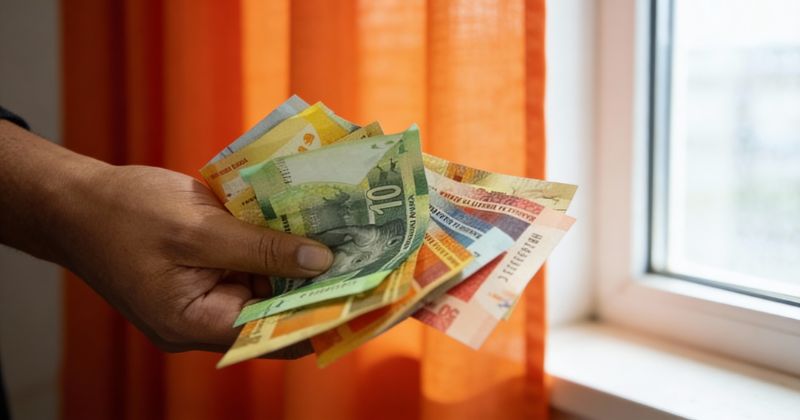
Traders appear comfortable with the rand trading at its strongest levels against the US dollar in more than three years, as reflected by subdued volatility indicators in the market. The South African currency appreciated by roughly 14 percent against the US dollar during 2025 and has extended those gains into the current year. This strength has been supported by record-setting precious metal prices, alongside a marked improvement in investor confidence following South Africa’s sovereign credit rating upgrade by S&P Global Ratings in November.
Key Takeaways
- Overbought Signals Reflect Strong Momentum: Technical indicators show the rand is stretched after sharp gains, but this alone does not signal an immediate reversal.
- Market Pricing Remains Supportive: Low volatility and options data indicate traders are not expecting a near-term pullback.
- Fundamentals Continue to Back the Rand: Strong commodity prices and positive emerging market sentiment are supporting the currency’s outlook.
About Arcadia Finance
Arcadia Finance makes borrowing simpler and safer. Compare loans from 19 fully NCR-compliant lenders without paying any application fees, and access dependable options designed to match your financial situation.
Market Signals Suggest Rand Strength Has Further to Run
As a result of this sustained rally, technical indicators show that the rand has entered overbought territory. The Relative Strength Index, commonly used by traders to assess momentum and identify potential market reversals, suggests that the currency may be stretched.
Despite these signals, derivatives markets do not yet point to an imminent turning point. Options pricing indicates that traders are not positioning for a sharp reversal in the rand’s fortunes at this stage.
Options markets often reflect forward-looking risk perceptions, making them useful for gauging sentiment beyond spot exchange rates.
Expected fluctuations in the rand dollar exchange rate over the next six months have dropped to their lowest levels in almost a quarter of a century during the current month. At the same time, the cost of protecting against potential rand weakness over this horizon has declined to its lowest point since October, signalling reduced concern about downside risks.
Portfolio managers remain constructive on the outlook for the currency. Supportive commodity dynamics, particularly elevated gold prices, have improved South Africa’s terms of trade, while broader market sentiment towards emerging markets has turned increasingly positive. As long as these conditions persist, the rand is viewed as capable of sustaining its recent strength.
To understand why the currency’s latest rally is significant, it helps to look back at the broader journey of the local currency. The history of the South African rand shows how political shifts, global crises and domestic economic policy have shaped its long-term performance.

Investor Confidence Strengthens Across Asset Classes
Further evidence of growing investor confidence can be seen in South Africa’s credit markets. The price of credit default swaps, which measure the cost of insuring the country’s debt against default over a five year period, has fallen to its lowest level since 2012.
Bond markets have mirrored this improvement in sentiment. The yield on South Africa’s 10 year local currency government bond has dropped to its lowest level in a decade, following a decline of more than 200 basis points since the start of last year. Lower yields reflect stronger demand for domestic bonds and greater confidence in the country’s fiscal and macroeconomic outlook.
Global factors have also played an important role. Expectations that the US Federal Reserve will begin cutting interest rates this year have placed downward pressure on the US dollar, creating a more favourable environment for higher yielding emerging market currencies such as the rand.
As a result, the South African currency has delivered a return of 3.8 percent in the dollar funded carry trade over the past month, outperforming all other emerging market currencies monitored by Bloomberg during this period.
Carry trade positioning is expected to continue supporting the rand as the year progresses. Compared with high yield Latin American currencies like the Mexican peso and Brazilian real, the rand is seen as relatively attractive, partly due to regional geopolitical risks linked to tensions between the United States and Venezuela.
A major reason for rand volatility during the year was rising consumer prices and fears of further increases. Learning what is inflation and how it shapes spending power makes it easier to see why currency markets react so strongly to inflation data.
Reality Check on the Rand’s Broader Performance
Despite the overwhelmingly positive sentiment, economists caution that the rand’s performance needs to be assessed in a broader context. On a nominal trade weighted basis, the currency has still lost ground.
The nominal trade weighted rand index measures the currency’s value against those of South Africa’s twenty largest trading partners. These include major currencies such as the euro, US dollar, Chinese yuan, British pound and Japanese yen.
According to Investec Chief Economist Annabel Bishop, the rand’s year on year gains against the US dollar in 2025 must be viewed alongside the significant weakness of the dollar itself over the same period.
During 2025, the US dollar depreciated by 3.3 percent on a year on year basis. In comparison, the rand strengthened by only 2.5 percent against the greenback over the year. This indicates that, in real terms, the rand actually lost value against the US dollar.
The currency also weakened against other major trading partner currencies. Over the course of 2025, the rand was 1.7 percent weaker against the euro and 0.6 percent softer against the British pound on a year on year basis.
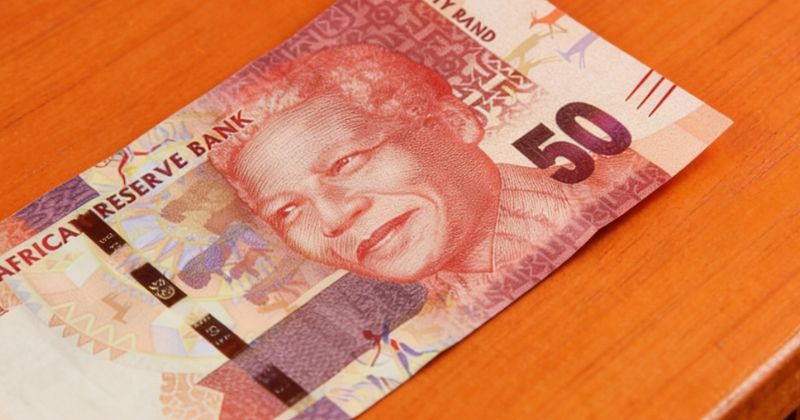
Improved Sentiment Still Underpins the Outlook
Even with this broader perspective, sentiment towards the rand and the South African economy has improved substantially. Global investor confidence strengthened significantly towards the end of last year and accelerated further during the second half of 2025, as expectations for investment returns improved amid growing optimism around US interest rate cuts.
Outlooks for both the global economy and the United States have become more favourable, and expectations for South Africa’s economic trajectory have also improved.
Anticipation of US rate cuts has contributed to a weaker US dollar, which in turn has supported the rand’s appreciation against it. Markets are currently pricing in two additional US interest rate reductions this year, a factor that has helped push the rand to levels below R16.40 to the dollar, from around R19.11 previously.
Exchange rate moves of this scale can influence inflation trends by lowering the cost of imported fuel, food and manufactured goods.
Looking ahead, the rand is expected to maintain its momentum against the US dollar in the near term. Continued dollar weakness is likely to provide further support during the current quarter, reinforcing the currency’s strong start to the year.

Conclusion
While technical indicators suggest the rand may be approaching stretched levels, market pricing and underlying fundamentals continue to point to a supportive environment for the currency. Low volatility, subdued hedging costs and sustained investor confidence indicate that traders are not yet positioning for a reversal. As long as commodity prices remain elevated and global risk sentiment stays favourable, the rand is likely to retain its strength in the near term, even if short-term consolidation occurs.
Fast, uncomplicated, and trustworthy loan comparisons
At Arcadia Finance, you can compare loan offers from multiple lenders with no obligation and free of charge. Get a clear overview of your options and choose the best deal for you.
Fill out our form today to easily compare interest rates from 19 banks and find the right loan for you.