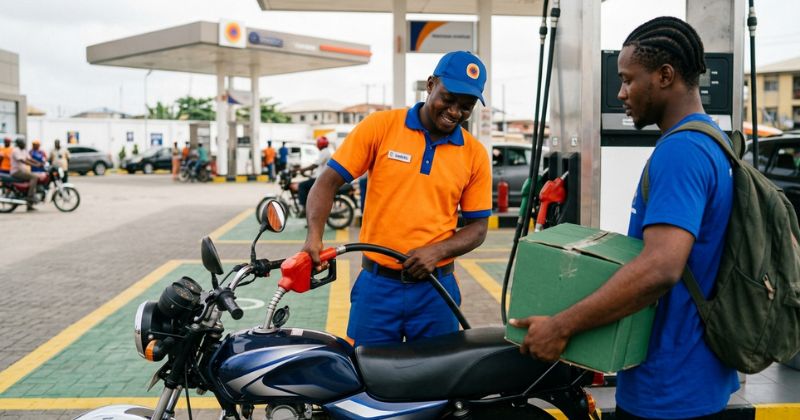
President Cyril Ramaphosa has warned South Africans about a sharp and potentially record-breaking fuel price increase expected this week, saying the government is urgently exploring ways to ease the impact on households and businesses. He raised the issue during his address at the ANC Limpopo elective conference on Sunday, 29 March 2026, where rising fuel costs and cost of living pressures were key concerns.
Key Takeaways
- Fuel Prices Set For Sharp Increase: Petrol is expected to rise by around R6 per litre and diesel by roughly R10, putting pressure on household budgets and businesses.
- Global Events Driving Local Costs: Rising oil prices due to Middle East tensions and a weaker rand are pushing fuel prices higher in South Africa.
- Economic Pressure Likely To Grow: Higher fuel costs could increase inflation, delay interest rate cuts, and raise the overall cost of living for South Africans.
About Arcadia Finance
Apply for a loan with ease through Arcadia Finance. Pay no application fees and compare offers from 19 trusted lenders, all compliant with South Africa’s National Credit Regulator. Enjoy a fast, simple process tailored to your needs.
Fuel Prices Set for Major Increase
According to the latest projections from the Central Energy Fund (CEF), petrol prices are expected to rise significantly, with estimates suggesting an increase of approximately R6 per litre. Diesel prices are projected to increase even more sharply, with forecasts pointing to a jump of around R10 per litre from Wednesday, 1 April.
These increases would mark one of the largest fuel price adjustments in recent years and could trigger widespread economic effects across multiple sectors.
Estimated Fuel Price Increases
| Fuel Type | Expected Increase | Effective Date |
|---|---|---|
| Petrol | About R6 per litre | 1 April 2026 |
| Diesel | About R10 per litre | 1 April 2026 |
South Africa adjusts fuel prices monthly, typically on the first Wednesday of each month, based on global oil prices and the rand-dollar exchange rate.
Ramaphosa also highlighted that Finance Minister Enoch Godongwana is deeply concerned about the looming increases and their broader implications for the economy.
The President conveyed that Godongwana had expressed significant concern over the situation, while Ramaphosa himself acknowledged that he was equally troubled by the potential consequences for the country.

Global Factors Driving the Increase
The expected fuel price surge is being largely driven by escalating tensions and conflict in the Middle East, which has pushed global oil prices sharply higher. This has coincided with renewed pressure on the South African rand, further amplifying the domestic fuel price impact.
Brent crude oil prices have climbed sharply, rising from around $69 (about R1 100) per barrel to above $115 (roughly R1 950) per barrel in a relatively short period. At the same time, the rand has weakened significantly against the US dollar, sliding from roughly R15.85 to above R17.00.
Fuel prices in South Africa are highly sensitive to both oil prices and currency movements because oil is traded globally in US dollars. A weaker rand means South Africa pays more for imported fuel even if oil prices remain stable.
Although these developments are largely beyond South Africa’s direct control, Ramaphosa warned that the domestic consequences could be severe and widespread.
Government Working on Interventions
Ramaphosa confirmed that he has instructed Finance Minister Godongwana and other ministers to urgently develop interventions aimed at reducing the impact of higher fuel costs on consumers and businesses.
He indicated that government departments are now working collaboratively to formulate potential solutions that could help mitigate the effects of the expected increases.
The President also confirmed that a ministerial task team has been established to examine how South Africa can protect itself from the economic fallout of the geopolitical conflict.
Proposed Task Team Members
According to reports, the task team is expected to include:
- Finance Minister Enoch Godongwana
- Mineral and Petroleum Resources Minister Gwede Mantashe
- Electricity and Energy Minister Kgosientsho Ramokgopa
- Trade, Industry and Competition Minister Parks Tau
Government task teams are typically created during major economic shocks to coordinate rapid responses across departments and avoid policy delays.
Reports suggest that the scope of the task team extends beyond fuel price concerns. The group is expected to examine broader geopolitical risks and their potential impact on South Africa’s economy.
Insiders indicated that while addressing fuel prices is urgent, the broader mandate includes analysing global developments and preparing for longer-term economic consequences.
Impact on South Africans
Ramaphosa emphasised that his primary concern remains the effect on ordinary South Africans, particularly those already facing financial pressure.
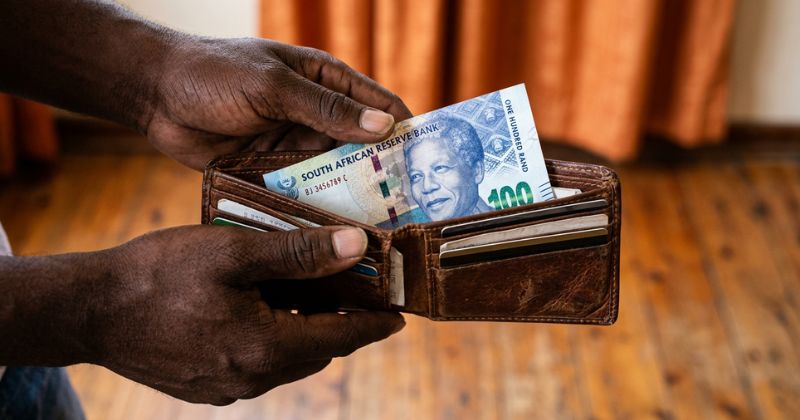
He warned that higher fuel prices would directly feed into rising costs across the economy, including transport, food, and essential services. This would increase pressure on household budgets and potentially strain government finances.
Higher fuel costs typically lead to:
- Increased taxi and bus fares
- Higher food prices due to transport costs
- Rising delivery and logistics expenses
- Increased electricity and production costs
- Pressure on inflation and interest rates
Consider adjusting monthly budgets ahead of fuel hikes by planning travel routes, carpooling, or reducing unnecessary trips to limit fuel consumption.
Ramaphosa also warned that rising costs could reduce fiscal space for government, limiting its ability to fund additional support measures.
Economists Warn of Wider Economic Effects
Economists have echoed the President’s concerns, noting that sustained fuel increases could weigh heavily on economic growth and consumer confidence.
FNB has warned that the Middle East conflict could keep inflation elevated for longer, potentially delaying expected interest rate cuts. This would add further pressure on households already facing rising living costs.
According to the bank, weaker consumer demand is likely as disposable incomes shrink and confidence declines.
The South African Reserve Bank has also warned that inflation risks remain tilted to the upside, with higher fuel costs already beginning to filter through to public transport fares and everyday expenses.
Fuel costs typically account for a significant portion of inflation in South Africa, meaning large increases can quickly influence overall price levels across the economy.
Despite these concerns, FNB noted that the growth outlook remains unchanged for now. The bank indicated that a lower base from 2025 could allow for stronger growth this year, helping offset some of the negative effects.
However, downside risks are increasing, particularly if the conflict continues for an extended period. A prolonged crisis could lead to:
- Higher interest rates
- Slower economic growth
- Reduced consumer spending
- Lower business investment
The long-term consequences may not yet be fully understood, particularly if uncertainty begins to affect investment decisions.
When fuel prices rise, fixed-rate expenses become more important. Locking in stable repayments or comparing loan options may help households manage volatility.
As the situation continues to evolve, government officials and economists alike are closely monitoring developments, with the coming weeks expected to be critical for both consumers and the broader economy.

Conclusion
With fuel prices expected to surge sharply, South Africans are likely to face renewed pressure on household budgets and the broader cost of living. While the government is exploring possible interventions, global factors such as rising oil prices and a weaker rand mean relief may be limited in the short term. As uncertainty around the conflict and economic outlook continues, consumers and businesses alike may need to prepare for higher transport costs, rising prices, and tighter financial conditions in the weeks ahead.
Fast, uncomplicated, and trustworthy loan comparisons
At Arcadia Finance, you can compare loan offers from multiple lenders with no obligation and free of charge. Get a clear overview of your options and choose the best deal for you.
Fill out our form today to easily compare interest rates from 19 banks and find the right loan for you.