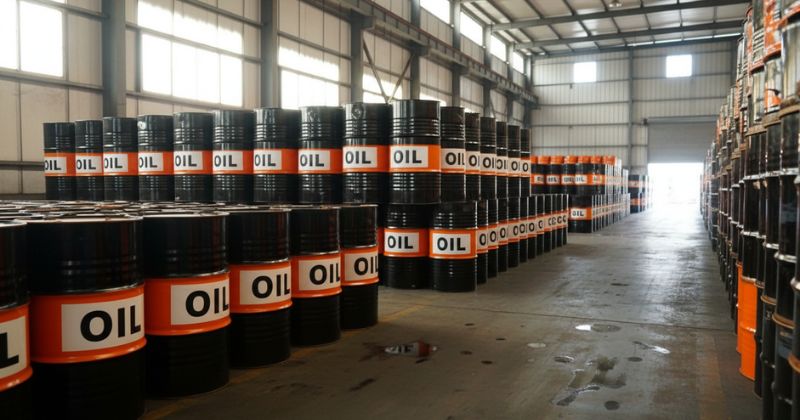
Developments in global geopolitics have created an increasingly challenging backdrop for interest rate reductions in South Africa this month, as escalating violence in the Middle East has pushed crude oil prices significantly higher and revived concerns about inflationary pressures within the domestic economy.
Key Takeaways
- Geopolitical tensions are clouding the rate cut outlook: Escalating conflict in the Middle East has pushed oil prices above 85 US dollars per barrel (about R1 600 per barrel), increasing inflation risks and reducing the likelihood of an interest rate cut at the upcoming SARB meeting.
- Higher oil, food, and shipping costs are raising inflation concerns: A weaker rand, rising transport costs, and the potential for a global food price shock could push South Africa’s inflation above the SARB’s preferred 2% to 4% target band.
- Interest rates are likely to remain unchanged in the near term: While the SARB may keep the repo rate on hold this month as it assesses the impact of rising oil prices, economists still expect a possible 25 basis point rate cut later in 2026 if inflation stabilises.
About Arcadia Finance
Access loan options with ease through Arcadia Finance. There are no application fees, and you can compare offers from 19 reputable lenders, all compliant with South Africa’s National Credit Regulator. The process is simple, fast, and designed to help you find a loan that fits your financial situation.
Upcoming Monetary Policy Committee Decision
The Monetary Policy Committee (MPC) of the South African Reserve Bank is scheduled to convene later this month, where policymakers will assess the current economic environment and determine whether adjustments to the benchmark repo rate are warranted.
The MPC holds regular meetings throughout the year to evaluate inflation trends, economic growth conditions, and external risks that could influence South Africa’s financial stability and price outlook.
The repo rate is the interest rate at which the South African Reserve Bank lends money to commercial banks. Changes to this rate directly influence borrowing costs for consumers and businesses.

Earlier Expectations of Rate Cuts in 2026
At the beginning of the year, economists and financial markets broadly anticipated that the MPC would implement two interest rate cuts during 2026, specifically during the March and September policy meetings.
These expectations were primarily built on the assumption that inflation would remain comfortably anchored near the central bank’s preferred target level of around 3%.
Such conditions would have provided policymakers with the flexibility to gradually ease borrowing costs in order to support economic growth while still maintaining price stability.
Lower interest rates typically reduce repayment costs on home loans, vehicle finance, and personal loans, which can stimulate consumer spending and business investment.
Middle East Conflict Sparks Inflation Concerns
The geopolitical landscape changed dramatically following recent military strikes involving Israel and the United States targeting Iran, which have heightened fears of disruptions to global energy and supply chains.
These developments have triggered a sharp increase in global oil prices and raised concerns about the potential knock-on effects for food prices and transportation costs worldwide.
As energy costs rise, the inflation outlook becomes more uncertain, making it more difficult for central banks to justify lowering interest rates.
Inflation Risks Highlighted by Economists
Investec Chief Economist Annabel Bishop indicated that sustained oil prices between US$85 per barrel and US$90 per barrel (roughly R1 600 to R1 700) throughout the remainder of the year would likely result in South Africa’s consumer price inflation moving above 4%.
A sustained move above this level would place inflation outside the upper boundary of the SARB’s newly emphasised 2% to 4% inflation tolerance band, potentially forcing policymakers to delay any easing of monetary policy.
Key Inflation Pressures Identified
Several factors are currently contributing to rising inflation risks:
- Higher Global Oil Prices: Increased crude prices translate into more expensive fuel and logistics costs.
- Rand Depreciation: A weaker currency makes imported goods and commodities more expensive.
- Rising Shipping Costs: Global transport costs have increased due to geopolitical disruptions.
- Higher Fertiliser Prices: Rising fertiliser costs can push agricultural production costs higher.
- Potential Global Food Price Shock: Supply disruptions could lead to increases in staple food prices.
Food forms a large portion of the Consumer Price Index (CPI) basket in South Africa, meaning rising food prices can significantly influence overall inflation.

Currency Weakness Adds Further Pressure
According to Bishop’s assessment, the South African rand has weakened by approximately 2.5% on a trade-weighted basis, which further complicates the inflation outlook.
A weaker currency typically results in higher import costs, particularly for commodities such as oil, machinery, and fertiliser, which are largely priced in US dollars on global markets.
Shipping costs have also increased in response to the heightened geopolitical tensions, placing additional pressure on global supply chains and pushing input costs higher for several industries.
South Africa imports a large share of its refined fuel products, which means currency weakness and higher oil prices can have an amplified impact on local fuel prices.
Food Prices Pose a Major Inflation Risk
Economists have also warned that the current situation could lead to a broader global food price shock, especially if supply disruptions persist or intensify.
Food prices remain a critical component of South Africa’s inflation basket, and sustained increases in agricultural input costs such as fertiliser and fuel could translate into higher grocery prices for consumers.
As a result, policymakers remain cautious about loosening monetary policy too quickly while inflation risks remain elevated.
Historically, food inflation has had a disproportionate impact on lower-income households because a larger share of their income is spent on basic food items.
SARB May Adjust Its Inflation Forecasts
Should oil prices remain elevated and the rand continue to weaken, the South African Reserve Bank may revise its official inflation projections upward during the upcoming MPC meeting.
Central bank forecasts play a crucial role in shaping monetary policy decisions, as policymakers aim to ensure that inflation expectations remain firmly anchored within the target range.
Inflation expectations influence wage negotiations, pricing strategies, and financial market behaviour, which is why central banks monitor them closely.
Oil Price Assumptions Now Outdated
During its most recent policy meeting, the SARB had assumed an average oil price of approximately US$65 per barrel (about R1 200 per barrel) for the current year as well as the following two years.
However, with oil prices now climbing well above US$85 per barrel (around R1 600 per barrel) amid heightened geopolitical tensions, the assumptions used in earlier forecasts may no longer accurately reflect current global conditions.
Comparison of Oil Price Assumptions
| Scenario | Oil Price Level |
|---|---|
| SARB Forecast Assumption | US$65 per barrel (about R1 200) |
| Current Market Levels | Above US$85 per barrel (around R1 600) |
| Inflation Risk Scenario | US$85 to US$90 per barrel (roughly R1 600 to R1 700) |
When oil prices rise by large margins, central banks often reassess inflation forecasts because fuel costs feed into transportation, manufacturing, agriculture, and retail prices.

How the MPC Typically Responds to Supply Shocks
In situations where inflation is driven by temporary supply shocks such as spikes in oil or food prices, the MPC may initially choose to monitor developments rather than respond immediately with interest rate changes.
If the price shock proves to be temporary and does not trigger broader increases in wages or other prices across the economy, policymakers may decide that maintaining the current interest rate level is the most appropriate course of action.
However, if these cost increases begin to feed into broader inflation expectations or persist for an extended period, the central bank may be compelled to act in order to prevent inflation from drifting too far from its target.
Central banks often refer to “second-round effects,” which occur when initial price increases lead to higher wages and further price increases throughout the economy.
Financial Markets Turn More Cautious
With geopolitical uncertainty rising and commodity prices becoming more volatile, global financial markets have increasingly shifted into a risk-off stance.
Investors tend to move funds into safer assets during periods of geopolitical instability, which can place pressure on emerging market currencies such as the South African rand.
The surge in oil prices beyond US$85 per barrel (roughly R1 600) has further intensified inflation concerns, prompting analysts to reconsider earlier expectations of near-term monetary easing.
Interest Rate Outlook for 2026
Although the risks surrounding the upcoming policy meeting have increased, economists still generally expect the South African Reserve Bank to implement at least one interest rate reduction later in the year.
Most projections currently point to a potential 25 basis point reduction during 2026, which would bring the repo rate down to approximately 6.5%.
This scenario assumes that inflation pressures eventually stabilise and that the recent oil price spike does not evolve into a prolonged inflationary shock affecting multiple sectors of the economy.
A 25 basis point change equals 0.25 percentage points. Even small adjustments to the repo rate can significantly influence mortgage repayments, credit costs, and overall borrowing conditions in the economy.

Conclusion
The recent surge in oil prices and rising geopolitical tensions have introduced fresh uncertainty into South Africa’s inflation outlook, making an immediate interest rate cut far less likely at the upcoming SARB meeting. Policymakers are expected to adopt a cautious stance while they assess whether the current increase in oil and food prices represents a temporary shock or a more persistent inflation risk. While the broader expectation for modest monetary easing later in 2026 remains intact, the timing of any rate reductions will largely depend on how global energy prices, currency movements, and domestic inflation trends evolve in the coming months.
Fast, uncomplicated, and trustworthy loan comparisons
At Arcadia Finance, you can compare loan offers from multiple lenders with no obligation and free of charge. Get a clear overview of your options and choose the best deal for you.
Fill out our form today to easily compare interest rates from 19 banks and find the right loan for you.