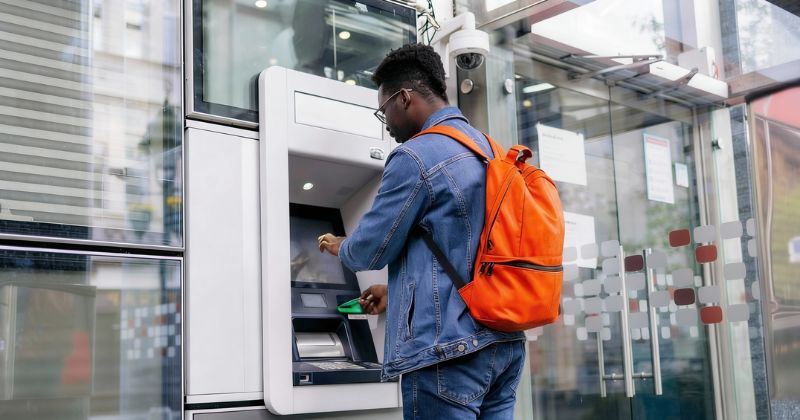
South Africa’s central bank is preparing to implement the most far-reaching restructuring of the country’s cash ecosystem in several decades, signalling a fundamental shift in how physical money is issued, managed and accessed. The proposed reforms include the creation of a dedicated cash-management utility, the introduction of a nationwide network of white-label ATMs, and significantly tighter oversight of how cash moves through the economy, all aimed at lowering costs and improving accessibility.
Key Takeaways
- Cash Will Not Disappear, but How It Works Will Change: South Africa’s central bank is redesigning the cash system to make physical money cheaper, safer and easier to access, especially for lower-income and rural communities, rather than eliminating cash altogether.
- White-Label ATMs Could Cut Fees Significantly: By consolidating bank-owned ATMs into a single, interoperable network, the proposed cash utility aims to reduce duplication and drive withdrawal fees close to zero for consumers.
- Retailers and New Regulation Will Reshape Cash Handling: Large grocery chains and cash-in-transit firms are set to play a bigger, more regulated role in cash distribution, potentially lowering crime risks and cutting the R90 billion annual cost of managing physical money.
About Arcadia Finance
Get your loan the easy way with Arcadia Finance. There are no application fees, and you can compare offers from 19 trusted lenders registered with South Africa’s National Credit Regulator.
The High Cost of Handling Physical Money
The process of managing, transporting and securing banknotes imposes a substantial financial burden on the economy. In the past year alone, these activities cost an estimated R90 billion, with the majority of the expense ultimately borne by consumers through fees and indirect charges. Criminal activity contributes meaningfully to this cost base, accounting for approximately 13 percent of total cash-related expenses.
Unequal Access and Disproportionate Costs
The South African Reserve Bank’s Cash Smart Strategy has been developed with a specific focus on ensuring that physical money remains accessible to lower-income households and rural communities. These groups often have limited access to digital-payment infrastructure and, in many cases, face cash-related costs that are as much as five times higher than those experienced by wealthier urban users.
The proposed reforms are intended to address these inequalities while modernising the system. If implemented as planned, the changes would represent the most significant transformation in the circulation of cash since the widespread introduction of automated teller machines more than four decades ago.
South Africa’s ATM network expanded rapidly in the 1990s and early 2000s, but coverage has since become uneven as banks rationalised branch and ATM footprints.

A Shift Towards a Centralised Cash Utility
The Reserve Bank expects that cash usage will decline by between 30 percent and 40 percent once South Africa reaches levels of digitisation comparable to those seen in countries such as India, Brazil and across the European Union. In anticipation of this shift, the central bank has outlined plans to establish a central cash utility that would be jointly owned by key industry participants, including commercial banks and major retailers.
This entity would be responsible for forecasting cash demand and distributing physical currency more efficiently across the system. By centralising these functions, the Reserve Bank aims to eliminate the estimated R480 million indirect subsidy currently enjoyed by a small number of private firms that manage and circulate cash on its behalf.
Centralised cash utilities are designed to reduce duplication by replacing multiple parallel supply chains with a single coordinated system.
International Models and Local Adaptation
The proposed utility would be loosely modelled on the Netherlands’ Geldmaat system, a joint venture between major Dutch banks that operates a unified ATM network. Under a similar arrangement in South Africa, fragmented cash infrastructure would be consolidated into a single coordinated platform designed to improve efficiency and reduce duplication.
As regulations around cash handling tighten, many South Africans are asking practical questions about how much cash you can deposit in the bank and whether new thresholds could affect everyday banking habits. Understanding deposit limits is essential as authorities look to modernise the ATM and cash system nationwide.
White-Label ATMs and Lower Fees
As part of the overhaul, ATMs that are currently owned and operated by individual banks would be transferred into the new utility and converted into white-label machines. These ATMs would be fully interoperable, allowing customers of any bank to withdraw cash at little or no cost, regardless of which institution originally installed the machine.
While the shift could reduce certain revenue streams for commercial banks, the central bank believes these losses may be offset by lower operating and infrastructure costs. By pooling resources and simplifying cash logistics, banks could ultimately benefit from a leaner and more cost-effective system.
Broader Regulation and Industry Impact
The strategy is expected to have implications beyond traditional banking institutions. Declining levels of cash in circulation may also reduce the Reserve Bank’s seigniorage income, which is derived from the interest earned on deposits placed with it in exchange for physical notes and coins.
In parallel, the central bank is considering extending regulatory oversight to a wider range of participants involved in the cash ecosystem. This could include the introduction of operating licences for cash-in-transit companies, large retailers and selected payment service providers. A draft regulatory framework outlining these changes is expected to be released early next year.
Large grocery chains such as Shoprite and Pick n Pay, which collectively recycle as much as R100 billion in cash each year, are expected to play a key role in the new system. The Reserve Bank plans to engage these retailers about acquiring stakes in the proposed utility and potentially operating as licensed cash wholesalers with direct access to physical currency. Such arrangements could streamline cash recycling and deliver operational benefits for retailers with high cash volumes.
Timeline and Next Steps
The Reserve Bank has already presented the proposed strategy to commercial banks and plans to begin broader engagement with industry experts from January. While the vision is ambitious, the rollout is expected to be gradual. Full implementation of the Cash Smart Strategy could take up to three years, reflecting the scale and complexity of reshaping South Africa’s cash infrastructure.
Consumers are expected to experience changes incrementally, with the most visible impacts likely to be lower fees and more consistent ATM access rather than an immediate disappearance of cash.
With changes to the ATM network potentially affecting transaction costs, now is a good time to revisit how to avoid bank fees and minimise unnecessary charges. Even small adjustments in how you withdraw or deposit money could save you more than you realise.
Conclusion
South Africa’s planned cash reform marks a decisive shift away from a fragmented, high-cost system towards a more coordinated and inclusive model that reflects how money is actually used across the economy. By centralising cash management, introducing white-label ATMs and widening regulatory oversight, the Reserve Bank is attempting to balance the continued reliance on cash with the long-term move towards digital payments. While the transition will take several years and may reshape bank revenues and industry structures, the underlying objective is clear: to reduce costs borne by consumers, improve access in underserved areas and ensure that cash remains a reliable and affordable option during the country’s gradual journey towards a more digitised payments landscape.
Fast, uncomplicated, and trustworthy loan comparisons
At Arcadia Finance, you can compare loan offers from multiple lenders with no obligation and free of charge. Get a clear overview of your options and choose the best deal for you.
Fill out our form today to easily compare interest rates from 19 banks and find the right loan for you.