
South Africans are being encouraged to adopt practical fuel saving measures such as working from home, reducing driving speeds, and sharing lifts, as record breaking fuel price increases take effect across the country.
Key Takeaways
- Record Fuel Prices Hit Motorists: Petrol and diesel prices have reached historic highs, placing additional pressure on South African households and businesses.
- Practical Fuel Saving Measures Encouraged: Working from home, driving slower, and carpooling could help motorists reduce fuel consumption and cut costs.
- Further Price Hikes Possible: Early data suggests another fuel increase may be coming in May, prompting calls for both behavioural changes and government intervention.
About Arcadia Finance
Apply confidently with Arcadia Finance. No application fees, 19 reputable NCR-compliant lenders, and a simple process designed around your financial needs.
Record Fuel Price Hikes Prompt Urgent Cost Saving Measures
With fuel prices reaching unprecedented levels this week, several organisations, including the International Energy Agency (IEA), have provided guidance aimed at helping households and businesses reduce petrol and diesel expenses and manage rising transport costs.
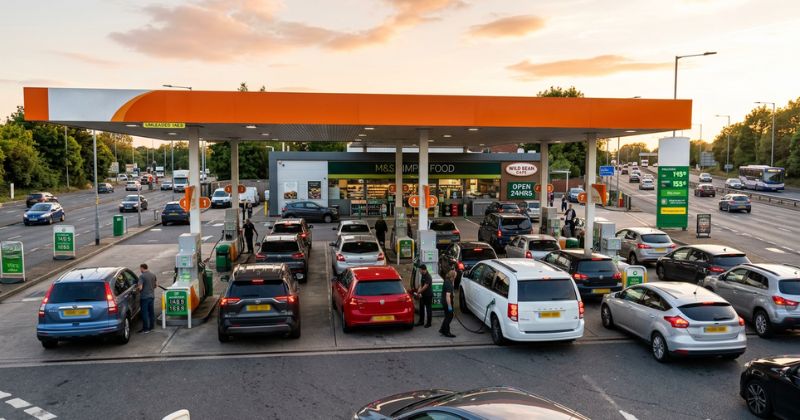
Motorists and fuel users across South Africa were impacted by a historic increase in petrol and diesel prices that came into effect on Wednesday, 1 April, placing additional strain on already pressured household budgets.
The per litre cost of fuel has now climbed to R23.36 for Petrol 95 and R25.35 for wholesale diesel 0.005%, with diesel prices reaching the highest level ever recorded in the country.
Early data released by the Central Energy Fund (CEF) has indicated that further increases may be on the horizon, with preliminary fuel price recoveries suggesting another potentially significant hike could take place in May.
South Africa is not alone in facing these challenges, as countries around the globe are grappling with rising fuel costs and seeking ways to mitigate the impact on consumers and businesses.
In response to escalating oil prices worldwide, the International Energy Agency released a report in March outlining several recommendations designed to help reduce fuel consumption and ease financial pressure.
While a portion of these recommendations focus on industries and commercial users that rely heavily on diesel, the report also highlights several practical steps that individual consumers can adopt in their daily routines.
These suggestions are particularly relevant in South Africa, where long commuting distances and limited public transport options often make fuel expenses a major component of monthly household spending.
Practical Ways to Reduce Fuel Costs
Work From Home Where Possible
Working remotely, where job roles permit, can significantly reduce daily commuting distances and overall fuel consumption, according to the International Energy Agency.
At a national level, the IEA estimates that introducing three additional remote workdays per week for eligible employees could reduce overall car usage by between 2% and 6%.
For individual drivers, the savings could be even more substantial, with potential reductions in fuel usage averaging around 20% depending on commute length and driving habits.
Additional Benefits Of Working From Home:
- Reduced fuel expenses
- Lower vehicle maintenance costs
- Less time spent in traffic
- Reduced road congestion
- Lower carbon emissions
Reduce Speed Limits on Highways
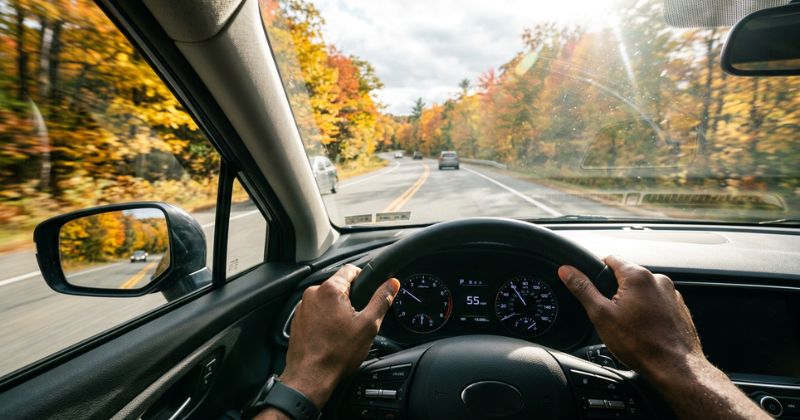
The International Energy Agency has also suggested lowering driving speeds as a simple yet effective method of reducing fuel consumption.
Reducing highway speed limits by at least 10 km/h could lower fuel consumption for individual drivers by between 5% and 10%, according to the report.
Additionally, overall private car use could decrease by between 1% and 6% if lower speed limits are widely adopted.
Heavy freight trucks could also benefit from slower speeds, with potential fuel savings of around 5%, although trucks already operate at lower average speeds compared to passenger vehicles.
Fuel efficiency typically drops sharply at speeds above 100 km/h, meaning that driving slightly slower can produce noticeable savings over time.
Estimated Fuel Savings From Driving Slower
| Driving Speed | Fuel Efficiency Impact | Potential Savings |
|---|---|---|
| 120 km/h | Highest fuel usage | No savings |
| 110 km/h | Moderate improvement | 5% savings |
| 100 km/h | Good efficiency | 5% to 10% savings |
| 90 km/h | Maximum efficiency range | Up to 15% savings |
Maintaining a steady speed using cruise control on highways can further improve fuel efficiency.
Carpool Where Possible
The IEA also recommends carpooling as an effective way to reduce fuel usage by increasing vehicle occupancy and reducing congestion.
Carpooling can help shorten travel times, reduce traffic congestion, and lower overall vehicle usage, leading to fuel savings for all participants.
When combined with eco driving techniques such as maintaining correct tyre pressure, limiting air conditioning use, and avoiding aggressive acceleration, fuel demand for cars could be reduced by approximately 5% to 8%.
Additional Eco Driving Tips:
- Check tyre pressure regularly
- Avoid unnecessary idling
- Remove excess weight from vehicles
- Use air conditioning sparingly
- Accelerate smoothly
Underinflated tyres alone can increase fuel consumption by up to 3%.
Additional Measures Suggested by the IEA
Beyond individual consumer actions, the IEA highlighted broader measures that could help reduce fuel demand, including:
- Increased use of public transport
- Limiting private car access in major cities
- Encouraging flexible working hours
- Expanding remote working arrangements
- Supporting cycling and walking infrastructure
Cities that expanded public transport during previous fuel crises saw measurable reductions in congestion and fuel consumption.
South Africa Has Done This Before
Although the International Energy Agency’s recommendations are broad and not tailored to any specific country, industry experts believe many of the proposals are suitable for South Africa.
Marius Kemp, Head of Personal Lines Underwriting at Santam, noted that some of these measures have previously been implemented locally.
During the 1973 to 1974 oil crisis, which followed the Yom Kippur War, South Africa imposed national freeway speed restrictions of 80 km/h to reduce fuel consumption.
While there has been no official proposal from government to introduce similar restrictions at this stage, slower driving remains an effective way to reduce fuel usage and improve road safety.
Kemp also highlighted that carpooling could help reduce pressure on fuel reserves while allowing motorists to share travel costs and reduce expenses.
Additionally, the COVID-19 pandemic prepared many businesses for extended periods of remote work, making it easier to reintroduce flexible working arrangements during periods of rising fuel prices.
The government has already mentioned working from home as a potential strategy to reduce fuel consumption, although it emphasised that this is currently a general recommendation rather than an official policy.
Government Interventions Under Consideration
While behavioural changes can help reduce fuel costs, government authorities are also considering direct interventions to provide relief to consumers.
Ahead of the April price increases, National Treasury announced a temporary fuel levy reduction of R3 per litre.
This intervention reduced the full increase to R3.06 per litre for petrol and R7.51 per litre for diesel.
However, this relief measure is temporary, with the R6 billion cost expected to be recovered at a later stage.
The Department of Petroleum and Mineral Resources has also confirmed that it is working on a second phase of interventions aimed at addressing structural issues in fuel pricing.
Speaking to the SABC, Minister of Petroleum and Mineral Resources Gwede Mantashe indicated that the government is taking a cautious and measured approach.
The department is considering a three month intervention period, with the temporary fuel levy reduction providing short term relief while longer term solutions are evaluated.
Analysts warn that without structural changes, South Africa may continue to experience fuel price volatility due to global oil prices and currency fluctuations.

What Motorists Can Do Right Now
Motorists looking to reduce fuel expenses immediately may consider the following:
- Work remotely where possible
- Drive at lower speeds
- Carpool with colleagues or neighbours
- Combine errands into one trip
- Use public transport where available
- Maintain vehicles regularly
Even small behavioural changes can lead to noticeable savings over time, especially during periods of sustained high fuel prices.
Conclusion
South Africans are facing mounting pressure as fuel prices reach record highs, with the possibility of further increases in the coming months. While government interventions may provide temporary relief, experts are encouraging motorists and businesses to adopt practical fuel saving measures such as working from home, driving at lower speeds, and carpooling where possible. These steps, combined with broader policy responses and long term structural changes, could help ease the financial strain and reduce fuel demand during a period of continued global energy uncertainty.
Fast, uncomplicated, and trustworthy loan comparisons
At Arcadia Finance, you can compare loan offers from multiple lenders with no obligation and free of charge. Get a clear overview of your options and choose the best deal for you.
Fill out our form today to easily compare interest rates from 19 banks and find the right loan for you.