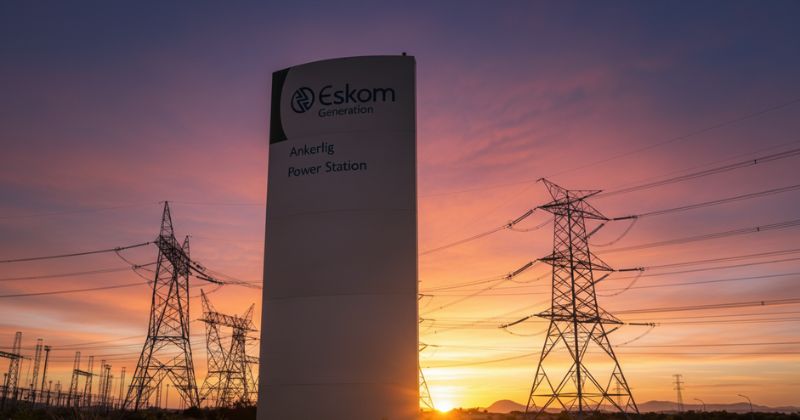
South Africa’s state-owned electricity utility, Eskom, has begun formally issuing notices to a group of municipalities across the country that could ultimately face electricity supply interruptions due to long-standing unpaid electricity accounts.
Key Takeaways
- Eskom Launches Legal Action Against 14 Municipalities: Eskom has begun the PAJA process against municipalities that have failed to settle electricity debts or comply with relief programme conditions.
- Municipal Debt to Eskom Tops R110 Billion: Despite government intervention through the debt relief programme, unpaid municipal electricity debt has continued to climb nationwide.
- Electricity Supply Could Be Restricted: Eskom may implement supply interruptions or limit electricity to municipalities that fail to regularise payments.
About Arcadia Finance
Get your loan with ease through Arcadia Finance. There are no application fees, and you can compare offers from 19 reputable lenders, all compliant with South Africa’s National Credit Regulator. Enjoy a smooth process and reliable options suited to your financial needs.
Legal Process Triggered After Other Channels Fail
Eskom confirmed that it has already pursued all reasonable options available through the Intergovernmental Relations Framework Act, which governs cooperation and dispute resolution between national, provincial and local government structures.
Having reached the limits of that framework, the power utility has now initiated a formal administrative process that allows municipalities to make submissions before Eskom takes further action.
The current stage involves issuing notices in line with the provisions of the Promotion of Administrative Justice Act, commonly referred to as PAJA.
Under this legal framework, municipalities are granted an opportunity to make formal representations explaining their circumstances or proposing repayment arrangements before Eskom proceeds with credit control measures.
The PAJA process exists to ensure administrative fairness in South Africa. It requires state institutions to provide affected parties with a fair opportunity to respond before any significant administrative action is taken.
Municipalities Selected for the Process
Approximately fourteen municipalities have been identified for participation in the PAJA notice process due to persistent failures in meeting their financial obligations to Eskom.
These municipalities fall into the category of local authorities that have either accumulated prolonged unpaid electricity debts or have failed to comply with conditions attached to government intervention programmes.
Key Reasons for Eskom’s Intervention
The municipalities targeted in the process meet at least one of the following criteria:
- Failure to settle electricity accounts for a period extending to at least 18 months
- Non-compliance with the requirements of the National Treasury municipal debt relief programme
- Posing a significant financial risk to Eskom due to escalating arrears
Municipalities typically purchase bulk electricity from Eskom and then resell it to residents and businesses. This system means local governments act as intermediaries between the national power utility and electricity consumers.
Municipal Debt to Eskom Continues to Climb
Across South Africa, outstanding municipal debt owed to Eskom has now exceeded R110 billion, despite efforts by the government to stabilise the situation through a national intervention programme.
The scale of this debt has become a major financial challenge for the power utility and has raised concerns about long-term sustainability.
Municipal Electricity Debt Overview
| Category | Description |
|---|---|
| Total municipal electricity debt | More than R110 billion |
| Number of municipalities in current process | Around 14 |
| Intervention programme | National Treasury municipal debt relief programme |
| Legal process used | PAJA administrative notice procedure |
The National Treasury programme was specifically designed to assist municipalities struggling with historic electricity debt.
The intervention attempts to stabilise municipal finances by separating or ring-fencing existing debt while suspending the accumulation of additional interest.
This approach aims to create financial breathing room for municipalities so that they can meet their current electricity payment obligations moving forward.
However, Eskom has indicated that despite this intervention, outstanding balances have continued to grow in many cases.

Eskom Says Decisive Action is Now Necessary
Eskom has stated that the continued escalation in unpaid municipal electricity accounts highlights the urgency of implementing stronger debt recovery measures.
The company indicated that initiating the PAJA notice process ensures that it remains compliant with legal requirements while simultaneously taking steps to protect the reliability and financial stability of the national electricity supply system.
According to Eskom Distribution Group Executive Agnes Mlambo, the utility must address rising arrears in order to safeguard operational progress achieved through its recent turnaround strategy.
The organisation stated that financial discipline remains essential to maintaining the improvements achieved over the past three years.
Eskom believes that restoring financial stability in its operations helps support economic activity by ensuring reliable electricity supply for businesses, industries and households.
Eskom’s turnaround strategy has focused heavily on improving power station reliability, reducing load shedding frequency and stabilising operational finances after years of severe infrastructure and financial challenges.
Eskom Calls for Cooperation from Stakeholders
Eskom has urged all relevant stakeholders to engage constructively in resolving the issue of municipal debt.
The power utility has encouraged municipalities to submit formal representations or proposals during the PAJA process that could help establish a sustainable path toward settling outstanding electricity accounts.
Once all submissions have been received and carefully reviewed, Eskom will determine the appropriate course of action.
Electricity Supply Interruptions Remain a Possibility
Eskom warned that if municipalities fail to bring their accounts into good standing or fail to present viable repayment solutions, the utility may proceed with credit control measures.
These measures may include limiting electricity supply to affected municipalities during certain predetermined periods.
This form of electricity supply restriction is permitted under South African law when a customer fails to honour payment obligations.
Possible Credit Control Actions Eskom May Implement
- Scheduled electricity supply interruptions at specified times
- Limiting electricity supply volumes based on payment levels
- Further legal escalation to recover outstanding debt
Should payment defaults continue without resolution, Eskom has indicated that it may be forced to restrict electricity supply to levels that correspond with payments received.
When Eskom implements supply limitations rather than full disconnections, electricity is often reduced during peak demand hours to manage financial exposure while maintaining some level of service.

Eskom Says Supplying Power Without Payment is Unsustainable
Eskom emphasised that municipalities collect revenue from electricity customers within their jurisdictions and are expected to pass those payments on to the national utility.
Failure to transfer these funds undermines Eskom’s financial viability and weakens the broader electricity supply chain that supports communities and businesses.
The utility stated that the municipalities involved in the process collectively owe significant arrears that make it increasingly difficult for Eskom to delay further action.
Initiating the PAJA administrative process therefore allows Eskom to follow all legislative requirements while also protecting the stability of the electricity supply system.
Municipal electricity sales are often one of the largest sources of revenue for local governments in South Africa, meaning poor financial management in this area can severely impact service delivery.
Conclusion
Eskom’s decision to initiate the PAJA process highlights the growing urgency surrounding unpaid municipal electricity debt and its potential impact on the stability of South Africa’s power system. With arrears now exceeding R110 billion, the utility is signalling that continued non-payment can no longer be tolerated if operational and financial recovery efforts are to be protected. The outcome will largely depend on whether the affected municipalities can present viable repayment plans and restore financial discipline, as failure to do so could lead to electricity supply restrictions that may ultimately affect local communities and businesses.
Fast, uncomplicated, and trustworthy loan comparisons
At Arcadia Finance, you can compare loan offers from multiple lenders with no obligation and free of charge. Get a clear overview of your options and choose the best deal for you.
Fill out our form today to easily compare interest rates from 19 banks and find the right loan for you.