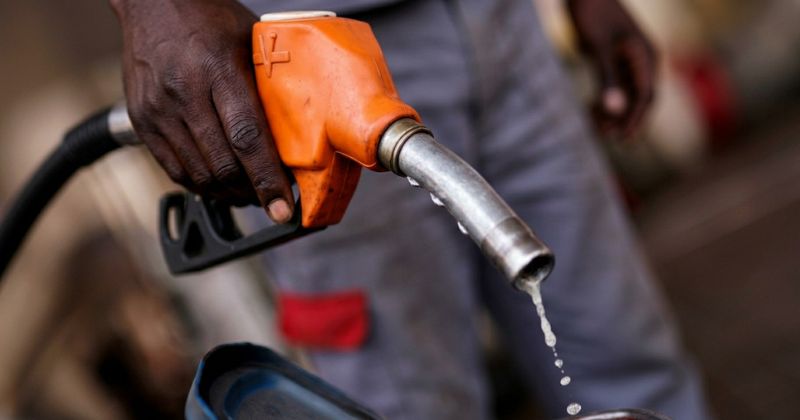
South Africans are likely to encounter rising fuel costs in the coming month, as international oil markets continue to respond to heightened geopolitical tensions involving Iran, the United States, and Israel. These global developments are exerting upward pressure on crude oil prices, which in turn affects domestic fuel pricing structures.
Key Takeaways
- Fuel Supply Remains Stable For Now: Authorities have confirmed that there is currently no immediate risk of fuel shortages, with multiple shipments already on the way and contingency plans in place.
- Import Dependence Increases Vulnerability: South Africa’s reliance on imported fuel, following refinery closures, makes it more exposed to global supply disruptions and geopolitical tensions.
- Fuel Price Increases Likely: Despite stable supply, rising global oil prices mean consumers should prepare for higher fuel costs in the near future.
About Arcadia Finance
Access your loan with ease through Arcadia Finance. Pay no application fees and compare offers from 19 trusted, NCR-compliant lenders. Enjoy a simple, reliable process designed around your financial needs.
Concerns Over Fuel Supply Risks and Government Response
Growing unease has emerged regarding the possibility that South Africa could experience fuel shortages, largely due to disruptions in international supply chains and the country’s increasing dependence on imported petroleum products. This concern is amplified by the fact that local refining capacity has declined in recent years.
In response to these concerns, Robert Maake, Director for Fuel Pricing Mechanism at the Department of Mineral and Petroleum Resources, indicated that authorities are actively monitoring developments and maintaining close collaboration with industry stakeholders to safeguard fuel availability across the country.
Keeping an eye on global oil price trends and exchange rates can help consumers anticipate fuel price changes and adjust their budgets accordingly.

Government Oversight and Supply Coordination
During a recent interview, Maake elaborated that one of the department’s primary mandates is to ensure a consistent and reliable supply of fuel nationwide. This responsibility includes proactive planning and coordination across the entire supply chain.
He further explained that structured engagement takes place through regular coordination meetings involving key participants in the fuel sector. These stakeholders include:
- Oil companies
- Fuel wholesalers
- Industry associations
- Logistics and transport operators
According to Maake, a dedicated logistics planning team convenes on a weekly basis, specifically every Wednesday, to assess supply conditions and develop contingency strategies. These meetings serve as a central platform where all major oil companies are represented and can align on operational planning.
Additional participants in these discussions include:
- LP gas suppliers
- The National Energy Regulator of South Africa
- The Diesel Association of South Africa
- The Liquid Fuels Wholesalers Association
- Transnet Pipelines
These collaborative efforts are designed to anticipate disruptions and ensure that alternative arrangements are in place well in advance.
Incoming Fuel Shipments and Supply Stability
Maake confirmed that multiple fuel shipments are already en route to South Africa, which will help reinforce domestic supply levels. At present, approximately six vessels carrying various petroleum products are expected to arrive from regions such as India and West Africa.
This diversification of supply sources reflects a strategic shift aimed at reducing reliance on any single geographic region, particularly in light of instability in the Middle East.
Diversifying import sources is a common risk management strategy used by countries to protect against geopolitical disruptions in key oil-producing regions.
No Need To Panic – For Now
Maake emphasised that, despite current uncertainties, there is no immediate cause for alarm regarding fuel availability. He noted that South Africa’s vulnerability stems largely from its transition into an import-dependent market following the closure of several domestic refineries.
As a result, the country now relies heavily on finished petroleum products sourced from international suppliers rather than refining crude oil locally.
Although some disruptions have occurred along traditional supply routes in the Middle East, oil companies have acted swiftly to secure alternative supply channels, including sourcing from West Africa and other regions.
South Africa once had a stronger refining capacity, but multiple refinery closures in recent years have significantly reduced local production, increasing dependence on imports.

Role of Local Refineries
Despite the increased reliance on imports, South Africa still benefits from the contribution of its remaining operational refineries. These facilities continue to play a meaningful role in supporting domestic supply.
Maake highlighted that:
- Astron Energy is currently undergoing a planned plant shutdown but is expected to resume operations next month
- During this shutdown period, Astron has secured sufficient finished product imports to maintain supply
- The refinery has also ensured adequate crude oil availability for when operations resume
In addition to Astron, other key facilities include NATREF and Sasol’s Secunda operations. Together, these contribute significantly to the country’s fuel production capacity.
Estimated Domestic Production Contribution
| Facility | Contribution Role |
|---|---|
| Astron Energy | Refining and supply support |
| NATREF | Major inland refinery |
| Sasol Secunda | Synthetic fuel production |
Combined, these facilities are estimated to produce nearly 360 million barrels per day, forming a critical component of South Africa’s overall fuel supply mix.
Synthetic fuel production, such as that done by Sasol, allows countries to convert coal or gas into liquid fuels, reducing reliance on crude oil imports.

Strategic Reserves and Government Planning
At the Southern Africa Oil and Gas Conference, Mineral and Petroleum Resources Minister Gwede Mantashe stated that the government remains engaged in ongoing discussions with international suppliers to stabilise domestic fuel supply conditions.
These engagements are intended to ensure continuous fuel availability without the immediate need to draw from the country’s strategic reserves.
South Africa currently holds approximately 8 million barrels of emergency crude oil through its Strategic Fuel Fund. These reserves are typically preserved for severe supply disruptions rather than routine market fluctuations.
Strategic fuel reserves are often used as a last resort and are designed to provide a buffer during extreme crises such as wars or major supply embargoes.
Outlook on Fuel Prices
While supply stability appears to be under control for the time being, Maake acknowledged that rising fuel prices are becoming increasingly unavoidable. Global market conditions, particularly those influenced by geopolitical tensions, continue to drive costs higher.
Consumers and businesses alike may therefore need to prepare for sustained increases in fuel expenses in the near term.
Motorists can reduce fuel costs by adopting efficient driving habits such as maintaining steady speeds, avoiding excessive idling, and ensuring proper tyre pressure.
Conclusion
South Africa’s fuel supply outlook remains stable in the short term, supported by proactive government coordination, incoming shipments, and contributions from local refineries. However, the country’s growing dependence on imported fuel continues to expose it to global market volatility and geopolitical risks. While there is no immediate need for concern over shortages, the likelihood of rising fuel prices means consumers and businesses should remain cautious and plan ahead for increased costs.
Fast, uncomplicated, and trustworthy loan comparisons
At Arcadia Finance, you can compare loan offers from multiple lenders with no obligation and free of charge. Get a clear overview of your options and choose the best deal for you.
Fill out our form today to easily compare interest rates from 19 banks and find the right loan for you.