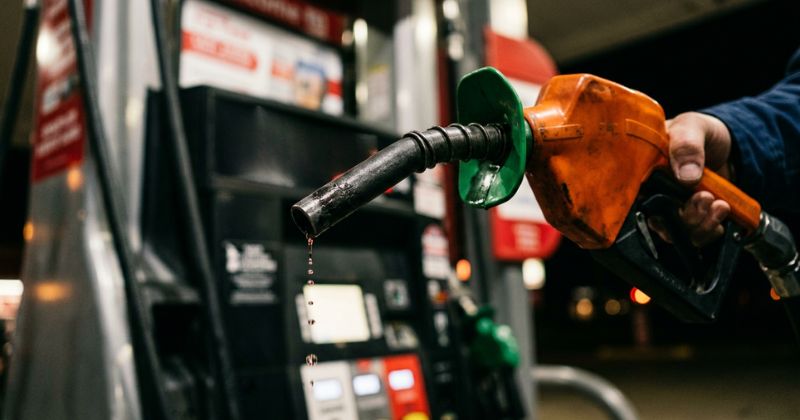
Fuel price under-recoveries for both petrol and diesel have surged across South Africa, with diesel exceeding R10 per litre for the first time and petrol nearing R6 per litre, while the latest Central Energy Fund data from the end of the fourth week of March indicates motorists could soon face significant pressure at the pumps if no government intervention is introduced, as the window for action continues to close with new fuel price adjustments set to take effect in less than a week.
Key Takeaways
- Record-breaking fuel hikes imminent: Diesel under-recoveries have crossed R10 per litre, with petrol nearing R6, pointing to the largest fuel price increases in South Africa’s history.
- Motorists face severe financial pressure: Without government intervention, consumers are likely to experience a sharp rise in fuel costs within days.
- Limited time and options for relief: With price adjustments less than a week away and constrained public finances, any government support is expected to be minimal or delayed.
About Arcadia Finance
Get the funds you need with Arcadia Finance. With no application fees and access to 19 reputable, NCR-compliant lenders, you can compare trusted options through a fast and straightforward process.
Latest Under-Recovery Data Signals Record Increases
According to the Central Energy Fund’s latest data, petrol under-recoveries have climbed significantly, now ranging between R5.24 and R5.76 per litre. Diesel prices have deteriorated even further, reaching levels between R9.86 and R10.00 per litre.
Consumers who rely on illuminating paraffin are experiencing the most extreme pressure, with under-recoveries now standing at a staggering R11.46 per litre.
Under-recovery refers to the difference between the actual fuel price and what consumers are currently paying – when under-recovery rises, it usually signals a sharp increase in the next fuel price adjustment.
These are the projected increases as of 25 March 2026:
- Petrol 93: increase of R5.24 per litre
- Petrol 95: increase of R5.76 per litre
- Diesel 0.05% (wholesale): increase of R9.86 per litre
- Diesel 0.005% (wholesale): increase of R10.00 per litre
- Illuminating paraffin: increase of R11.46 per litre
Record-Breaking Fuel Price Hikes Expected
The anticipated price adjustments scheduled for Wednesday, 1 April, are set to represent the largest fuel price increases ever recorded in South Africa’s history.
A R10 per litre increase in diesel would push retail prices to unprecedented levels, surpassing all previous records.
Previously, the highest diesel price per litre was recorded at R25.53 in July 2022. Based on current projections, a R10.00 increase would elevate the price of 0.005% diesel to approximately R28.60 per litre.
For petrol users, although a R5.76 increase would mark the biggest single hike on record, the resulting price for Petrol 95 would still remain slightly below its historical peak of R26.74 per litre recorded in July 2022.
At present recovery levels, April pricing is expected to reach around R26.06 per litre.
Fuel prices in South Africa are adjusted monthly based on global oil prices, exchange rates, and local taxes – meaning international market shifts can rapidly affect local pump prices.
Impact of Additional Tax Adjustments
It is important to note that the projected prices currently exclude the additional 21 cents per litre fuel tax increase that is also set to come into effect from 1 April.
Even when factoring in this tax adjustment, the projected petrol price of R26.27 per litre would still remain approximately 47 cents below the all-time record.
Below is a breakdown of how fuel prices are expected to change, both excluding and including the upcoming tax increase:
Inland Prices
| Fuel Type | March Official | April Expected (Excl. Tax) | April Expected (Incl. 21c Tax) |
|---|---|---|---|
| 93 Petrol | R20.19 | R25.43 | R25.64 |
| 95 Petrol | R20.30 | R26.06 | R26.27 |
| Diesel 0.05% | R18.53 | R28.39 | R28.60 |
| Diesel 0.005% | R18.60 | R28.60 | R28.81 |
| Illuminating Paraffin | R12.54 | R24.00 | – |
Coastal Prices
| Fuel Type | March Official | April Expected (Excl. Tax) | April Expected (Incl. 21c Tax) |
|---|---|---|---|
| 93 Petrol | R19.40 | R25.16 | R25.37 |
| 95 Petrol | R19.47 | R25.23 | R25.44 |
| Diesel 0.05% | R17.70 | R27.56 | R27.77 |
| Diesel 0.005% | R17.84 | R27.84 | R28.05 |
| Illuminating Paraffin | R11.52 | R22.98 | – |
Inland fuel prices are typically higher than coastal prices due to additional transport and distribution costs.

Government Considers Possible Intervention
While the figures above reflect the Central Energy Fund’s daily fuel recovery calculations, there remains a possibility of last-minute adjustments, particularly as government discussions continue regarding potential intervention strategies.
Finance Minister Enoch Godongwana informed the National Assembly on Wednesday, 25 March, that a Cabinet-level committee has been established to evaluate possible responses to the rising fuel costs.
This committee includes:
- Finance Minister Enoch Godongwana
- Minister of Mineral and Petroleum Resources Gwede Mantashe
- Electricity Minister Kgosientsho Ramokgopa
However, uncertainty remains regarding whether the committee will pursue immediate price-related interventions, similar to those implemented in 2022, or whether any measures introduced will take effect only after the increases have already been applied.
There is also growing concern about whether any meaningful action can be implemented before the new fuel prices take effect within the coming week.
Limited Fiscal Capacity Restricts Relief Options
Earlier this month, the National Treasury indicated that there is very limited capacity for the government to provide immediate financial relief in response to the looming fuel price increases.
Officials emphasised that any intervention would likely be temporary in nature, relatively small in scale, and funded within the constraints of the existing fiscal framework.
Treasury director-general Duncan Pieterse noted that efforts to cushion the impact of rising fuel costs would require significant financial resources, which are currently not readily available.
As a result, the government may be faced with two primary options:
- No direct relief measures
- Minimal and short-term financial support
When governments lack fiscal space, fuel levies or taxes are sometimes adjusted temporarily – but such measures can impact national budgets and public services.
What Motorists Can Do to Cope with Rising Fuel Costs
As South Africa braces for what could be the most severe fuel price shock in its history, both consumers and policymakers face mounting pressure, with limited time and constrained resources shaping the response in the days ahead.
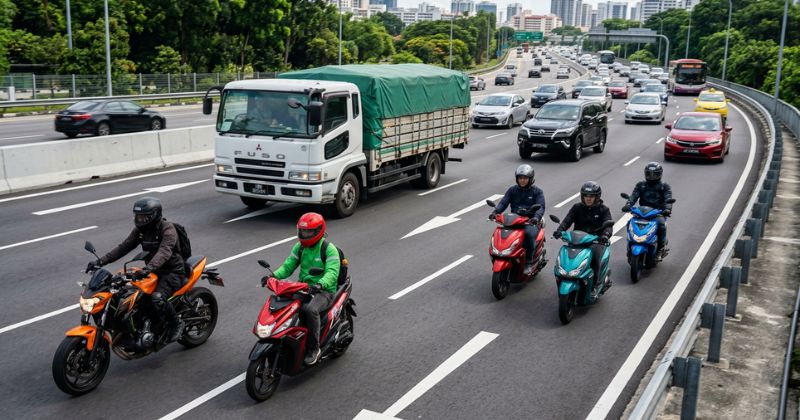
Drivers can reduce fuel consumption by avoiding rush-hour traffic, maintaining steady speeds, avoiding aggressive acceleration, and ensuring tyres are properly inflated.
Carpooling, using public transport, or combining errands into a single trip can significantly lower monthly fuel expenses.
Conclusion
South Africa is on the brink of an unprecedented fuel price surge that is set to place considerable strain on households and businesses alike, with limited time for intervention and constrained government finances reducing the likelihood of meaningful relief, leaving motorists to brace for significant cost increases in the days ahead.
Fast, uncomplicated, and trustworthy loan comparisons
At Arcadia Finance, you can compare loan offers from multiple lenders with no obligation and free of charge. Get a clear overview of your options and choose the best deal for you.
Fill out our form today to easily compare interest rates from 19 banks and find the right loan for you.