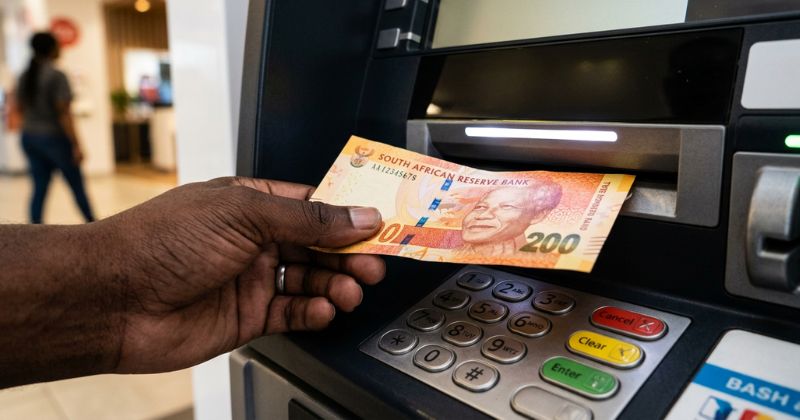
The South African Reserve Bank (SARB) has put forward a far-reaching proposal that could fundamentally transform the way South Africans interact with cash-dispensing infrastructure across the country, effectively signalling the end of the traditional branded ATM model as it has been known for decades. The proposal centres on the nationwide rollout of what are known as white-label ATMs, which are independently operated machines that carry no affiliation with any particular bank and are not embedded within the conventional bank-owned ATM network that South Africans have long relied upon.
Key Takeaways
- White-label ATMs to replace branded machines: The SARB is moving away from bank-owned ATMs towards independent machines accessible to any bank’s customers, prioritising cash access in rural and underserved communities.
- Cash still dominates despite digital growth: Cash accounts for over two-thirds of all South African transactions, with consumers bearing roughly R89 billion annually in access costs, making infrastructure reform an economic necessity.
- Reform is still far off: The Position Paper carries no binding force yet, with detailed deployment and funding rules still to be developed, and the SARB admitting the strategy remains in its early stages.
About Arcadia Finance
Apply for a loan through Arcadia Finance at no cost. Compare offers from 19 NCR-compliant lenders and find an option that works for your pocket, all in one place.
What Are White-Label ATMs?
White-label ATMs are cash-dispensing machines that are owned and operated by independent third parties rather than by any specific financial institution. Because they are not tied to a single bank, customers holding accounts with any bank are able to use these machines to withdraw cash and carry out basic transactions without restriction.
The SARB’s Position Paper on Cash
The Reserve Bank has released a formal Position Paper on Cash in South Africa, a comprehensive policy document that lays out three primary objectives for the management and distribution of physical currency in the country:
- Reducing the overall cost of cash for consumers and the broader economy
- Ensuring equitable and widespread access to cash, particularly for underserved communities
- Securing the physical currency supply chain against risk and disruption
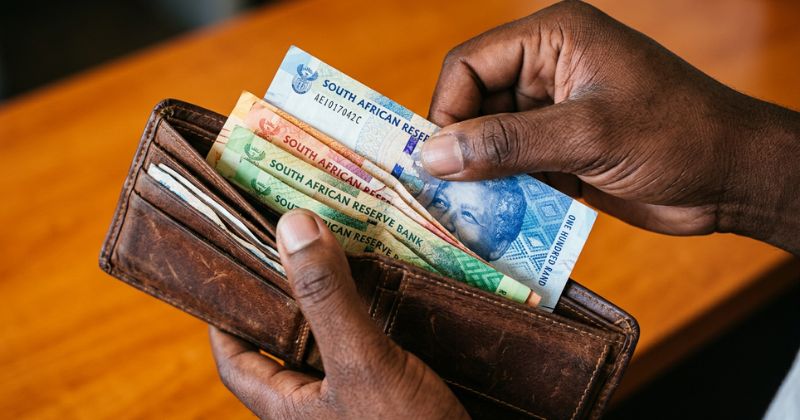
South Africa’s banknotes feature the “Big Five” wildlife series introduced in 2012, depicting the lion, elephant, rhinoceros, buffalo, and leopard. These notes are printed by the South African Bank Note Company, a wholly owned subsidiary of the SARB.
The Reserve Bank articulated that these three objectives collectively expose a critical gap in the current system, namely that market forces operating on their own are not sufficient to guarantee universal access, cost efficiency, or system-wide resilience, particularly as the commercial incentives of private financial institutions continue to shift over time.
Who Does the Framework Apply To?
The framework described in the Position Paper is intended to apply across the entire cash sector, setting standards not only for banks but also for non-bank service providers that participate in the cash ecosystem. These include:
- Cash-in-transit operators
- Retailers
- Independent ATM deployers
- Other cash service intermediaries
Cash Remains Central to South African Life
Despite the rapid rise of digital payment platforms, the SARB’s data underscores that cash continues to play an indispensable role in the daily lives of millions of South Africans. The Reserve Bank confirmed that cash remains the primary method of exchange for more than two thirds of all transactions in the country, with its importance being particularly pronounced in rural communities, informal market settings, and lower-income households that may lack consistent access to banking infrastructure or digital connectivity.
The True Cost of Cash: What South Africans Are Actually Paying
One of the most striking findings contained within the Position Paper is the scale of the financial burden that cash places on South African consumers. The SARB’s analysis reveals that approximately half of the total cost of managing cash in the economy is borne directly by consumers, amounting to roughly R89 billion per year.
This staggering figure is made up of a range of direct and indirect costs, broken down as follows:
| Cost Category | Share of Total |
|---|---|
| Explicit fees charged by banks and ATM operators | 35% |
| Time spent travelling to access cash | 31% |
| Costs of actually accessing cash | 14% |
| Losses including those attributable to crime | 13% |
| Costs of sourcing cash from retailers | 4% |
| Opportunity costs associated with holding cash | 3% |
Cash-related crime, which accounts for 13% of the total cost burden, is a particularly acute challenge in South Africa. The country’s cash-in-transit heist rate is among the highest in the world, with hundreds of incidents reported annually, adding significant hidden costs to the cash supply chain.
Which Cash Access Channel Is Most Efficient?
The SARB’s detailed cost modelling demonstrates that retailer cash back at the point of sale is currently the most cost-efficient method by which consumers can access cash. This is because the cash-back model leverages retail infrastructure and very high transaction volumes that are already in operation, meaning no additional dedicated infrastructure needs to be built or maintained to support the cash distribution function.
If you bank with most major South African banks, you can request cash back at supermarkets such as Checkers, Pick n Pay, and Spar without paying a withdrawal fee in many instances. This is often cheaper than using an ATM, particularly one operated by a bank other than your own.
ATMs vs. Bank Branches
The Reserve Bank’s analysis further establishes a clear efficiency hierarchy between ATMs and physical bank branches:
- ATMs, particularly those operated by banks, deliver cash services at a significantly lower cost per transaction than bank branches do
- Bank branches, while essential for higher-value transactions and more complex deposit activities, are a comparatively inefficient and expensive channel for routine cash withdrawals
- The higher the transaction volume processed through a given channel, the lower the unit cost of each transaction becomes, which strongly favours the ATM model at scale
The number of bank branches in South Africa has declined by more than 10% over the past decade as digital banking has grown. At the same time, ATM networks have faced similar pressures, with some banks reducing their footprint in lower-traffic areas due to the high cost of maintaining and securing cash-loaded machines.
The Cash Smart Strategy and the Role of White-Label ATMs
The SARB’s Cash Smart Strategy, which is informed by the findings of the Position Paper, responds to the identified gaps and inefficiencies through a suite of reform measures. The key components of the strategy include:
- Establishing a clear regulatory framework that enables the expansion of white-label ATM infrastructure across the country
- Creating a national cash utility to coordinate and oversee the deployment of cash access points
- Licensing non-bank entities to improve access to wholesale cash at the distribution level
- Reviewing the notes-held-on-facilities that the SARB currently makes available to the financial industry, to enhance the effectiveness of these tools
White-Label ATMs as a Central Pillar
White-label ATMs occupy a central role within the Cash Smart Strategy, being described by the Reserve Bank as a fundamental component of what it terms the “utility-coordinated access layer.” This layer is designed to facilitate a geographic rebalancing of cash access points across the country, addressing the significant disparities that currently exist between well-served urban areas and underserved rural and peri-urban communities.
The specific benefits that the rollout of white-label ATMs is expected to deliver include:
- Improved reach into geographical areas that are currently underserved by existing bank-owned ATM infrastructure
- A meaningful reduction in the time costs and travel expenditure that cash-reliant consumers currently incur in order to access cash
- Sustaining the availability of cash access as traditional bank-owned ATM networks continue to be rationalised and consolidated
The Reserve Bank confirmed that these measures are expected to have a direct and positive impact on two of the most significant components of the consumer cost of cash, namely the indirect cost of time and the direct cost of travel, which together represent approximately half of the total R89 billion annual burden.

What This Means in Practice: Key Limitations to Understand
It is important to note that the Position Paper released by the SARB does not carry the force of binding regulation at this stage. Rather, it serves as a detailed policy rationale document that will guide the subsequent development of formal regulations and supporting legal instruments. The detailed deployment arrangements, funding structures, and operational requirements for the white-label ATM network will all be addressed through a separate regulatory framework that is yet to be finalised.
Early Days for the Strategy
SARB Deputy Governor Rashad Cassim acknowledged to BusinessTech that the cash management strategy is still in its early stages of development. He further noted that the Reserve Bank has made considerably more progress in the digital payments space to date, with initiatives such as PayShap serving as a more advanced example of what the SARB has been able to implement on the payments modernisation front.
Looking Ahead: What South Africans Should Watch For
As the SARB moves from policy paper to regulation, there are several key developments worth monitoring:
- The establishment and formal mandate of the proposed national cash utility
- The licensing framework for non-bank ATM deployers and cash wholesalers
- The rollout timeline and geographic prioritisation for white-label ATM deployment
- How the revised notes-held-on-facilities arrangements will affect cash availability at financial institutions
- The impact of the strategy on ATM fees charged to consumers across different banks
South African consumers who rely heavily on cash are encouraged to engage with their bank’s published fee schedule regularly, as changes to ATM infrastructure policy often precede revisions to transaction pricing. Awareness of your bank’s fee structure can help you make more cost-effective decisions about how and where you access cash in the interim period.
Conclusion
South Africa’s cash infrastructure is on the cusp of a significant transformation, with the SARB’s white-label ATM proposal representing a meaningful step towards a more equitable and cost-efficient system for all. While the road from policy paper to practical implementation remains long, the direction is clear: the Reserve Bank recognises that market forces alone cannot ensure that every South African, regardless of location or income, has reliable and affordable access to cash. As digital payments continue to grow, the strategy seeks not to replace cash but to make it work better for those who need it most.
Fast, uncomplicated, and trustworthy loan comparisons
At Arcadia Finance, you can compare loan offers from multiple lenders with no obligation and free of charge. Get a clear overview of your options and choose the best deal for you.
Fill out our form today to easily compare interest rates from 19 banks and find the right loan for you.