
South African households could be forking out roughly R300 more on electricity every single month without ever noticing it, and the culprit is not what most people would expect, it is linked directly to power outages, as appliances resetting themselves, unexpected spikes in energy use overnight, and timers that have been knocked out of sync all quietly tack on extra kilowatt-hours to a household’s monthly bill without the homeowner being any the wiser, according to Matthew Koller, General Manager of Fungi Utilities, a company that examined over 400 million individual meter readings drawn from close to 3,900 homes situated within residential estates across Johannesburg, Pretoria, Cape Town, and KwaZulu-Natal.
Key Takeaways
- Resets and misconfigured timers hide extra costs: Power outages can cause appliances like geysers and tumble dryers to draw more electricity than usual once they restart, and timers that lose sync can make several large loads run simultaneously instead of at staggered times.
- Overnight usage isn’t automatically cheaper: Under inclining block tariffs, total monthly consumption pushes a household into pricier usage tiers regardless of what time the electricity is used, so running appliances at night only delays when you notice the cost, not the cost itself.
- Combined effect can add up to R500 a month: Between the 2026/27 tariff hikes (R180 to R220 for a 600 kWh household) and hidden losses from resets and baseline creep, homeowners could see their total bill climb by roughly R500 without any obvious change in behaviour.
About Arcadia Finance
Get your loan sorted quickly with Arcadia Finance. No application fees, and access to 19 trusted lenders, all fully compliant with South Africa’s National Credit Regulator standards. A simple process with reliable options built around your financial needs.
How Load Shedding Quietly Inflates Your Bill
The August 2026 dataset revealed that when a property’s electricity consumption climbs unusually far above its normal overnight baseline, that excess can build up into a sizeable additional charge by the time the month is out.
Koller explained that an average overnight baseline sitting at around 0.45 kWh per household serves as a helpful benchmark for spotting when consumption has strayed into abnormal territory.
What Sits Behind The Baseline Figure
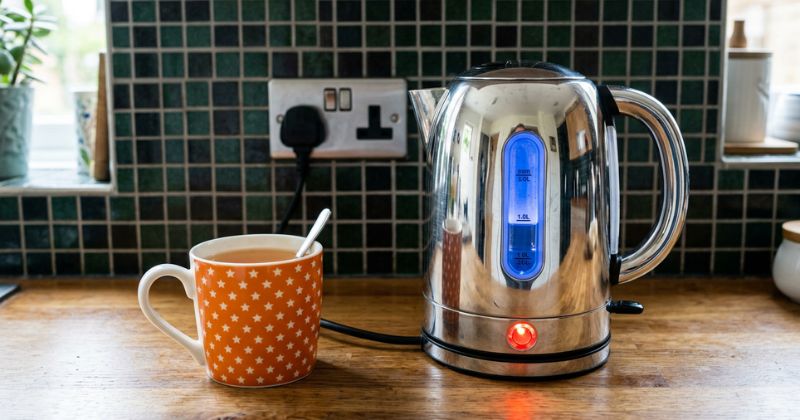
He noted that the baseline figure covers the equipment in a home that never really switches off, and this typically includes:
- Wi-Fi routers that stay powered around the clock
- Security systems monitoring the property overnight
- Electric fence energisers guarding the perimeter
- Fridges and geysers that cycle on and off according to timers or thermostats
You can get a rough sense of your own overnight baseline by checking your smart meter or prepaid meter reading right before bed and again first thing in the morning, then dividing the difference by the number of hours you slept.
How Appliances Behave Differently After An Outage
Fungi’s testing demonstrated that the way appliances draw power can shift noticeably once there has been an interruption to the power supply or once a device has been switched off and on again manually.
A geyser that under ordinary circumstances drew around 354 watts was found to climb to approximately 370 watts once the main breaker had been switched off and the power subsequently restored. A tumble dryer showed an even steeper jump, spiking by 542 watts.
Based on the electricity tariffs used for the analysis, the geyser cost about R1.47 an hour to run under normal conditions, rising to roughly R1.53 an hour once it had gone through a reset, while the tumble dryer worked out to approximately R2.24 an hour to run.
Appliance Power Draw Before And After A Reset
| Appliance | Normal Draw | Draw After Reset | Cost Per Hour (Normal) | Cost Per Hour (After Reset) |
|---|---|---|---|---|
| Geyser | 354 watts | 370 watts | R1.47 | R1.53 |
| Tumble dryer | Standard draw | Spike of 542 watts | Not specified | R2.24 |
“Resets are important indicators that larger loads are switching on, running for longer than expected, or operating at the wrong time,” Koller pointed out.
A single degree of unnecessary temperature increase on a geyser thermostat can add several percent to its running cost over a month, because geysers are typically among the single biggest electricity users in an average South African home.
The situation can escalate into something considerably costlier when multiple appliances happen to restart all at the same time following a power cut.
Timers are prone to reverting back to their factory default settings, or simply losing track of the correct time altogether, and this can result in geysers, pumps, heating equipment, and other automated devices all firing up simultaneously instead of at their intended staggered times.
Running Appliances At Night Does Not Automatically Mean Cheaper Electricity
Koller further pointed out that homeowners should not assume that simply using their appliances during the night guarantees a lower electricity cost.
The Trap Of Inclining Block Tariffs
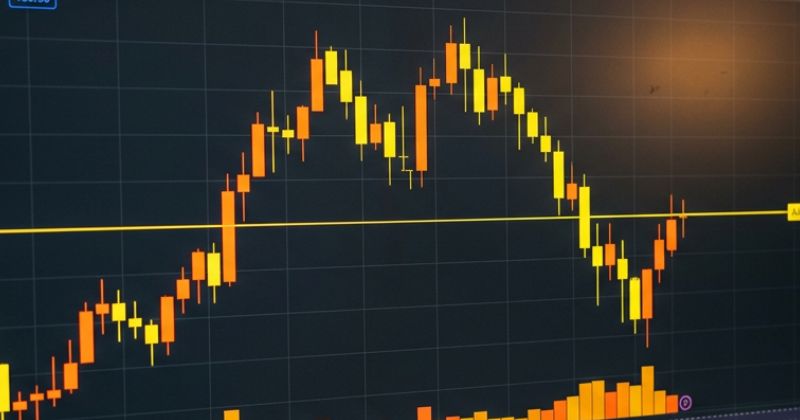
In areas where inclining block tariff structures are in place, using more electricity over the course of the month can push a household up into pricier consumption tiers, regardless of what time of day or night that electricity is actually used.
“Running a heavy appliance after midnight doesn’t automatically make it cheaper, it really just hides it from view. It’s the geyser cycling at 01:00 that tells you there’s a problem,” he said.
Tariff Increases Add Even More Pressure
NERSA-approved tariff increases for the 2026/27 period amount to 8.76% for customers who buy directly from Eskom, and 9.01% for those who are billed through their municipality, and this places yet more strain on already stretched household budgets.
Koller advised that a sensible starting point for an electricity audit is to check the geyser’s timer, its thermostat, and its heating element, before moving on to examine the pool pump, the borehole pump, and any circulation pumps in use.
Homeowners are also encouraged to track and compare their overnight baseline consumption across several consecutive nights, and to look into the cause of any sustained rise that shows up.
A baseline that has crept upward could point to refrigeration equipment, security devices, underfloor heating, electronics left on standby, or other appliances all drawing power concurrently.
Smart plugs fitted to a handful of suspect appliances, such as a tumble dryer, geyser, or pool pump, can show exactly how much each one is drawing in real time, making it far easier to pinpoint which device is responsible for a baseline creeping upward.
How Sub-Metering Can Distort Costs
For homeowners living within residential estates, there is an extra layer of complexity to contend with. When several properties within the same estate run large appliances at the same time, this can push up the estate’s overall demand as a whole.
“Residents don’t always realise that they can be billed through sub-meters while the estate’s main supply sits on a municipal bulk or commercial tariff,” Koller said.
“If a number of geysers, pumps, or other large loads operate at the same time, the resulting coordinated spike can increase the measured demand during the billing interval and, as a result, the central account,” he added.
Practical Steps To Reduce The Hidden Costs
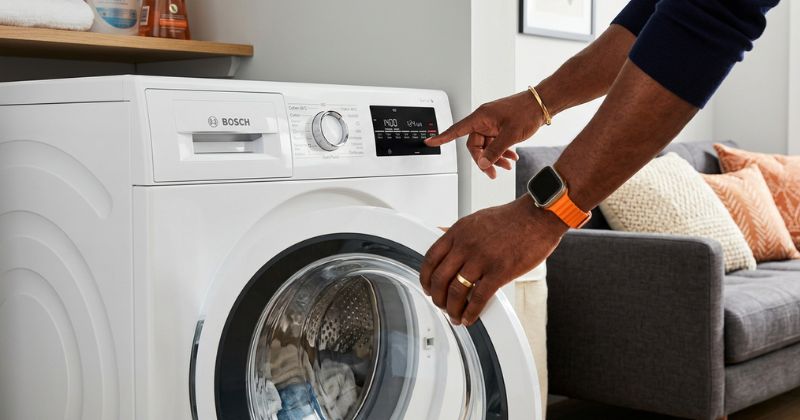
Koller also suggests that homeowners inspect their refrigerator door seals, check that ventilation around the fridge is adequate, review the temperature settings being used, and try switching off non-essential electronics at the wall socket to see whether this causes the overnight baseline to fall.
A Simple Home Electricity Audit Checklist
- Check the geyser timer, thermostat, and heating element for correct settings
- Inspect the pool, borehole, and circulation pump timers
- Compare overnight baseline readings across several nights
- Check refrigerator door seals and ventilation
- Review the temperature settings on the fridge and freezer
- Switch off non-essential electronics at the wall to test the impact on the baseline
Keep a simple written or spreadsheet log of your meter readings at the same time each evening for a week, this makes it far easier to spot a sudden jump in your baseline that might otherwise go unnoticed.
The Bottom Line On The Added Cost
For a household using around 600 kWh a month, Koller said that the newly implemented tariff increases alone are already adding somewhere between R180 and R220 to the bill, even before any appliance resets are factored in.
“Once you factor in the extra kilowatt hours that sneak in through misconfigured timers, baseline creep, and a few appliance resets, the combined impact can push the bill up by R500 a month,” he said.
Conclusion
The hidden costs uncovered in Fungi Utilities’ analysis serve as a reminder that a household’s electricity bill is shaped by far more than deliberate usage choices, since power outages, drifting timers, and creeping overnight baselines can quietly add hundreds of rands a month without a single obvious change in how a family lives. With tariffs already climbing and inclining block structures punishing higher total consumption regardless of timing, the most reliable way for homeowners to protect their budgets is to treat every outage as a prompt for a quick appliance check, keep a close eye on overnight baseline readings, and address small anomalies before they compound into a much larger bill.
Fast, uncomplicated, and trustworthy loan comparisons
At Arcadia Finance, you can compare loan offers from multiple lenders with no obligation and free of charge. Get a clear overview of your options and choose the best deal for you.
Fill out our form today to easily compare interest rates from 19 banks and find the right loan for you.