The United States has issued a renewed global warning following fresh comments from US President Donald Trump regarding potential tariffs linked to military support for Iran.
Key Takeaways
- US Threatens 50% Tariffs Over Iran Support: The United States warned that any country supplying Iran with military weapons could face immediate 50% tariffs on exports to the US, escalating economic pressure.
- China And Russia Likely Primary Targets: Analysts suggest the warning is largely directed at China and Russia, both previously linked to supporting Iran’s military capabilities.
- Tariff Limits And Global Trade Risks Remain: Legal restrictions and diplomatic considerations may delay action, but the warning increases global trade uncertainty and geopolitical tensions.
About Arcadia Finance
No fees. No guesswork. Just 19 NCR-compliant lenders competing for your business. Arcadia Finance makes securing a loan straightforward, transparent, and tailored to your unique financial situation.
Trump Threatens New Tariffs Following Ceasefire
US President Donald Trump announced on Wednesday that countries supplying Iran with military equipment could face immediate tariffs of up to 50%, applying broadly to all goods exported to the United States, with no exemptions or special considerations permitted.
The announcement was made only hours after Washington agreed to a two-week ceasefire with Tehran, creating uncertainty over whether diplomatic efforts and economic pressure strategies would run simultaneously.
After more than five consecutive weeks of sustained air strikes targeting Iran’s missile launch infrastructure, weapons production facilities and broader military capabilities, Trump returned to one of his preferred foreign policy instruments, namely tariffs, signalling that economic pressure would now accompany military and diplomatic developments.
This warning appeared aimed primarily at China and Russia, although no specific countries were formally identified in the social media message posted by Trump.
Warning Appears Directed at China And Russia
Trump indicated that any country supplying Iran with military weapons would face sweeping tariffs on exports to the United States, applying immediately and without exception.
The message suggested a broad and aggressive economic response, reinforcing Washington’s attempt to deter countries from strengthening Iran’s military capabilities.
China and Russia have historically supported Iran’s defence capabilities, assisting in the development of:
- Missile technology
- Air defence systems
- Military electronics
- Dual-use technologies with both civilian and military applications
These contributions have been viewed as part of broader geopolitical efforts to counter US and Israeli influence in the Middle East.
However, both Beijing and Moscow have denied providing any recent military support to Iran, despite continued allegations from Western officials.
Previous Reports Raise Concerns
Reports earlier in the year indicated that Iran had considered purchasing supersonic anti-ship cruise missiles from China before the initial US and Israeli strikes.
Additional reports also suggested that China’s leading semiconductor manufacturer, SMIC, had allegedly provided chipmaking equipment to Iran’s military sector, according to senior officials within the Trump administration.
These developments raised concerns about technological transfers that could enhance Iran’s military capabilities.
Expert Analysis Suggests China is Main Target
International economic experts suggested that China was likely the primary focus of Trump’s warning.
Josh Lipsky, vice president and chair of international economics at the Atlantic Council, indicated that the announcement appeared to be directed primarily at China.
However, analysts also noted that Trump was unlikely to impose immediate tariffs due to diplomatic considerations, particularly in light of a planned meeting with Chinese President Xi Jinping.
The US administration has also signalled its intention to maintain stability in US-China relations, particularly due to US reliance on Chinese rare-earth minerals and specialised magnets.
These materials are critical for several industries, including:
- Electronics manufacturing
- Electric vehicles
- Renewable energy technologies
- Military equipment production
Rare-earth minerals are essential components in smartphones, wind turbines, fighter jets and electric vehicles, making supply chain disruptions particularly impactful.
Legal Limits on Trump’s Tariff Authority
Trump’s ability to impose broad tariffs has been constrained following a US Supreme Court ruling in February.
The court ruled that tariffs introduced under the International Emergency Economic Powers Act of 1977 were unlawful, limiting the president’s authority to implement sweeping global tariffs without congressional approval.
This decision significantly reduced the administration’s ability to impose wide-ranging economic penalties quickly.
Alternative Tariff Tools Available
Despite these legal limitations, Trump still has access to other trade tools, including:
- Section 301 tariffs targeting unfair trade practices
- Section 232 tariffs tied to national security concerns
- Anti-dumping investigations targeting specific goods
Section 301 tariffs, initially used during Trump’s first presidential term, are viewed as the most likely mechanism for implementing new tariffs quickly.
Section 232 tariffs, meanwhile, are more limited and typically apply to specific industries such as steel, aluminium or critical minerals.
Trade Impact Between the United States And China
| Year | US Imports From China |
|---|---|
| 2018 | $538.5 billion (approximately R9.96 trillion) |
| 2025 | $308.4 billion (approximately R5.71 trillion) |
| 2026 (Jan–Feb) | Further Decline Reported |
These declines reflect ongoing trade tensions and supply chain diversification efforts.
Many US companies have shifted manufacturing to countries such as Vietnam, India and Mexico to reduce exposure to China-related tariffs.
Russia’s Role and Trade With the United States
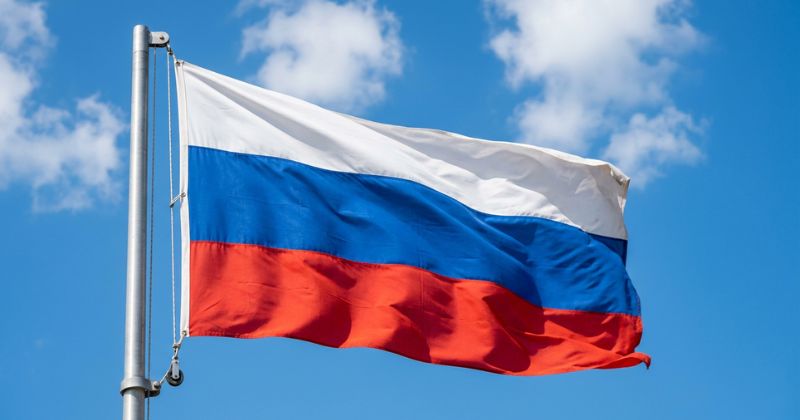
Russia has also provided military technology to Iran historically, although trade between the United States and Russia has decreased sharply following Russia’s invasion of Ukraine in 2022.
Despite sanctions, US imports from Russia increased by 26.1% to $3.8 billion (approximately R70.3 billion) in 2025.
These imports are largely concentrated in key strategic resources, including:
- Palladium
- Fertiliser components
- Enriched uranium for nuclear reactors
Strategic Importance Of Palladium
Palladium is widely used in:
- Automotive catalytic converters
- Electronics manufacturing
- Chemical production
- Clean energy technologies
The US Commerce Department is already considering punitive tariffs on Russian palladium following an anti-dumping investigation.
Global Market Implications
The potential introduction of new tariffs could have broader global implications, including:
- Increased trade tensions
- Higher global inflation
- Supply chain disruptions
- Commodity price volatility
Financial markets often react strongly to geopolitical developments, particularly those involving trade and military tensions.
What This Means for Global Trade
The announcement highlights the growing use of economic tools alongside military and diplomatic strategies.
The combination of tariffs, sanctions and military pressure reflects an increasingly complex geopolitical landscape involving major global powers.
Tariffs are one of the oldest economic tools used in foreign policy, dating back centuries as a way to pressure rival nations without direct military conflict.
While it remains uncertain whether the tariffs will be implemented, the warning signals continued volatility in international trade relations and heightened geopolitical tensions involving Iran, China, Russia and the United States.
Conclusion
The latest warning from the United States underscores how geopolitical tensions involving Iran are increasingly spilling into global trade dynamics, with tariffs emerging as a key pressure tool alongside diplomacy and military deterrence. While legal constraints and diplomatic priorities may delay immediate action, the threat alone signals heightened uncertainty for international markets, particularly for countries with economic or strategic ties to Iran. As developments unfold, investors, policymakers and businesses will be closely monitoring whether the warning translates into concrete trade measures or remains part of broader strategic signalling.
Fast, uncomplicated, and trustworthy loan comparisons
At Arcadia Finance, you can compare loan offers from multiple lenders with no obligation and free of charge. Get a clear overview of your options and choose the best deal for you.
Fill out our form today to easily compare interest rates from 19 banks and find the right loan for you.