Optimism that had taken hold in South Africa at the start of 2026 has been firmly extinguished, as prospects for meaningful interest rate relief evaporate in the face of a rapidly deteriorating global energy landscape. Despite a string of genuinely encouraging domestic economic signals, the South African Reserve Bank (SARB) now finds itself unable to deliver the cuts that households and businesses had been counting on.
Key Takeaways
- Interest rate cuts are off the table for now: The SARB has suspended anticipated rate reductions for 2026 due to imported inflation risks driven by the global energy shock triggered by the closure of the Strait of Hormuz.
- South Africa’s domestic economy was actually improving: Inflation had hit the SARB’s 3.0% target, GDP grew for a fifth straight quarter, and the fiscal deficit was narrowing – making the external shock all the more poorly timed.
- Consumers face a painful squeeze ahead: With petrol set to rise by over R2.00 and diesel by over R7.00 in May, higher fuel costs are bleeding into food and goods prices, further stretching household budgets with no rate cut relief in sight.
About Arcadia Finance
Zero fees. 19 reputable lenders. Full NCR compliance. Arcadia Finance takes the complexity out of securing a loan, giving you a fast, transparent process and financing options you can actually trust.
The Rate Relief That Slipped Away
The SARB had been widely anticipated to reduce interest rates by a cumulative 50 basis points over the course of 2026 – a move that would have offered tangible relief to millions of South Africans still grappling with the cost-of-living pressures that have defined recent years.
A basis point is one-hundredth of a percentage point (0.01%). When central banks refer to a 50 basis point cut, they mean a reduction of 0.5% in the benchmark interest rate – which can translate into meaningfully lower monthly repayments on home loans and vehicle finance.
A Global Shock Derails the Outlook
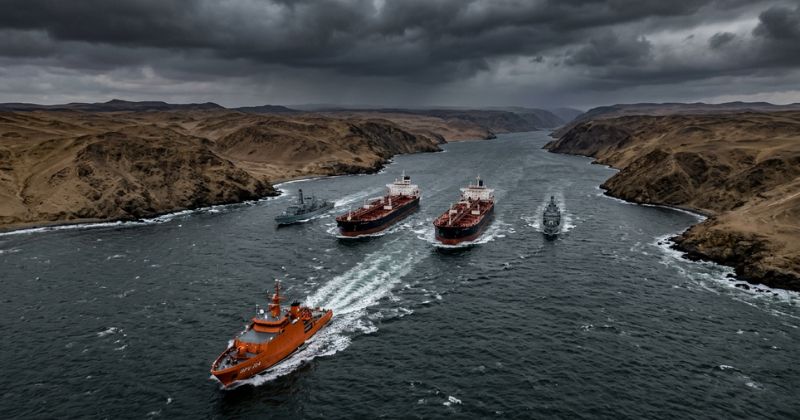
Those expectations were overturned by a dramatic escalation in geopolitical tensions in the Middle East. Military strikes launched by Israel and the United States against Iran triggered the shutdown of the Strait of Hormuz, sending global oil prices surging to levels that have fundamentally altered the inflation calculus for central banks around the world.
The Strait of Hormuz is one of the world’s most strategically critical waterways, connecting the Persian Gulf to the Gulf of Oman. Approximately 20% of global oil trade passes through this narrow channel, meaning any disruption to its operations carries immediate and severe consequences for energy prices worldwide.
Reza Hendrickse, Portfolio Manager at PPS Investments, observed that the dramatic shift in market sentiment did not immediately translate into a collapse of the underlying economic fundamentals. He noted that growth remained positive throughout the quarter, and that inflation outside of the energy sector had actually been on a moderating trend prior to the crisis.
Hendrickse cautioned, however, that the situation remains highly fluid and that the range of plausible outcomes has widened considerably. He emphasised that the risks now confronting both policymakers and investors are substantially greater than they were at the beginning of the year.
Global and Domestic Growth Projections Revised Downward
The global economy had entered 2026 with relatively healthy prospects, with forecasters projecting growth of 3.3% for the year – a level considered sufficient to support robust labour markets and continued business investment. That picture has since been revised in the April 2026 Economic Outlook, which lowered the global growth forecast to 3.1%.
South Africa absorbed a proportionally larger downgrade, with its growth projection cut from 1.4% in January to just 1.0% in April – a reduction that reflects both the country’s exposure to external commodity and energy price shocks and the fragility of its domestic recovery.
The table below summarises the key growth and inflation forecast revisions:
| Indicator | January 2026 Forecast | April 2026 Forecast | Change |
|---|---|---|---|
| Global GDP Growth | 3.3% | 3.1% | -0.2pp |
| South Africa GDP Growth | 1.4% | 1.0% | -0.4pp |
| SA Inflation (Feb actual) | – | 3.0% | At SARB target |
| SA Gross Debt (% of GDP) | – | 78.9% | Stabilising |

Supply Shock, Not a Structural Collapse
PPS Investments’ central scenario characterises the conflict’s economic impact as a supply shock – one that disrupts and delays the trajectory of global growth rather than permanently derailing it. This distinction, however, offers limited practical comfort to South African households that are already contending with sharply higher energy and food costs at the household level.
A supply shock occurs when an unexpected event disrupts the production or availability of goods – in this case, oil. Unlike demand-driven inflation, supply shocks are notoriously difficult for central banks to address through interest rate policy alone, because raising or holding rates does not resolve the underlying shortage.
Adding to the difficulty, central banks across South Africa and a number of other emerging market economies have now suspended the anticipated interest rate reductions they had been signalling, citing the risk of imported inflation flowing through from the energy price shock. This removes one of the key policy levers that households had been relying on for financial relief.
A Blow at the Wrong Time for South Africa
The timing of this external setback is particularly frustrating given the genuinely positive domestic economic narrative that had been building in South Africa through the opening months of 2026. Hendrickse highlighted several areas of notable progress:
- Inflation dropped to 3.0% in February 2026, bringing it in line with the SARB’s newly established target rate – a significant milestone for monetary policy credibility
- GDP expanded for the fifth consecutive quarter, demonstrating a degree of economic resilience that had not been seen in South Africa for some time
- The February Budget adopted a constructive and credible fiscal tone, with the deficit projected to narrow and gross debt expected to stabilise at 78.9% of GDP
- The primary surplus continued to improve, signalling that the government is generating enough revenue to cover non-interest expenditure – a key marker of fiscal sustainability
A primary surplus means a government is collecting more in revenue than it spends, excluding debt interest payments. Achieving and maintaining a primary surplus is widely regarded by credit rating agencies and investors as a critical indicator of long-term fiscal health.
Hendrickse noted that the positive domestic story has been complicated by the external shock, with fuel costs now pushing inflation higher and rendering the interest rate cuts that had been expected in the middle of 2026 increasingly unlikely. Analysts have warned that fuel prices could remain elevated for an extended period if supply tensions persist and the rand fails to recover meaningful ground against major currencies.
He acknowledged that South Africa’s structural story remains more credible than it has been for a considerable time, but stressed that the global backdrop has made the near-term path considerably more difficult to navigate. He further cautioned that the energy shock could prove more persistent than initially hoped, and that supply chains and monetary policy will both require time to fully adjust to the new conditions.
Consumers Brace for Pain at the Pumps
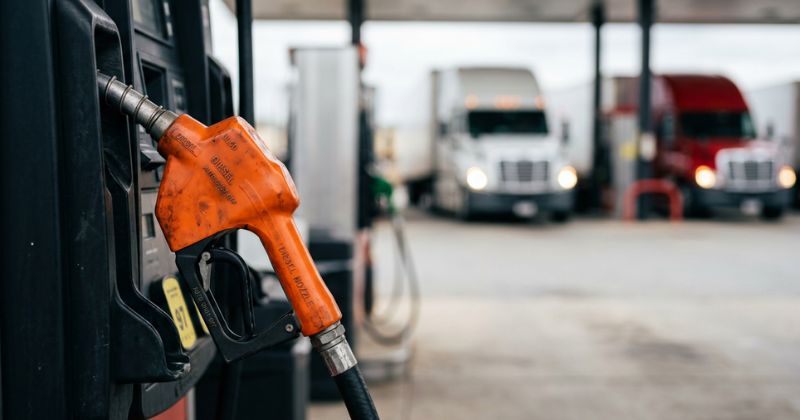
South African motorists and consumers are facing a sharp escalation in fuel costs in May 2026, with the latest data from the Central Energy Fund pointing to increases of more than R2.00 per litre for petrol and more than R7.00 per litre for diesel.
Diesel price increases tend to have a broader economic impact than petrol increases because diesel powers most of South Africa’s logistics and freight network – from long-haul trucks to agricultural machinery. When diesel prices rise sharply, the cost of transporting virtually every category of goods increases, which then feeds into consumer prices across the board.
A growing concern among economists and analysts is that the surge in fuel prices is beginning to permeate other sectors of the economy, as the higher cost of transporting goods along supply chains is reflected in the prices consumers encounter at retail checkouts. This so-called second-round inflation effect is particularly damaging because it is harder to contain and tends to persist long after the initial energy price shock has stabilised.
Conclusion
South Africa entered 2026 with more genuine economic momentum than it had seen in years, only to have the prospect of meaningful financial relief stripped away by forces entirely beyond its borders. The shutdown of the Strait of Hormuz and the subsequent oil price surge have placed the SARB in an impossible position, forced to hold rates firm even as households strain under the weight of rising fuel and food costs. While the country’s structural fundamentals remain on a credible footing, the near-term outlook has darkened considerably, and South Africans will need to weather a difficult period before the rate relief they were promised – and had every reason to expect – can realistically return to the table.
Fast, uncomplicated, and trustworthy loan comparisons
At Arcadia Finance, you can compare loan offers from multiple lenders with no obligation and free of charge. Get a clear overview of your options and choose the best deal for you.
Fill out our form today to easily compare interest rates from 19 banks and find the right loan for you.