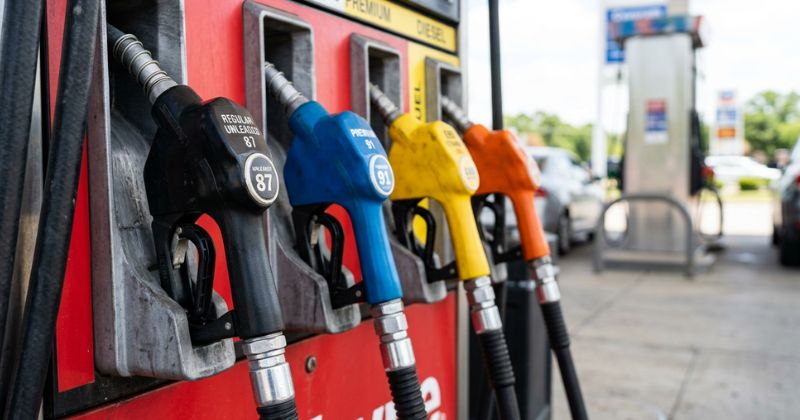
Fuel prices are once again set to climb across South Africa, with the latest mid-month figures pointing to further increases at the pumps for both petrol and diesel. The ongoing conflict in the Middle East continues to weigh heavily on global oil markets, and although the rand has offered some relief, motorists are still likely to feel the pinch when the new prices take effect. Below is a full breakdown of what is driving these changes, along with the expected price adjustments for September.
Key Takeaways
- Fuel prices are set to rise again in September: petrol is expected to increase by between 63 and 74 cents per litre, whilst diesel faces a much steeper hike of R2.73 to R2.89 per litre, driven largely by the ongoing conflict in the Middle East.
- The Strait of Hormuz remains the key risk factor: with talks between Iran and Oman still unresolved and tensions between Tehran and Washington hardening, any further disruption to this critical shipping route could push oil prices sharply higher once again.
- A stronger rand is softening the blow, but only partially: currently trading at R16.20 to the dollar, the rand has helped cut the under-recovery by around 10 cents per litre, though this relief remains entirely dependent on how the conflict and interest rate outlook develop from here.
About Arcadia Finance
Why pay to apply? Arcadia Finance connects you with 19 trusted, NCR-registered lenders at no application cost, offering a streamlined and dependable way to find the right loan for you.
Motorists Facing Fresh Pain at the Pumps
Data released mid-month by the Central Energy Fund (CEF) reveals that South African motorists should brace themselves for further hardship at the fuel pumps come next month, as the renewed outbreak of war in the Middle East continues to batter global oil markets.
According to the figures published by the CEF, petrol prices are currently showing an under-recovery of somewhere between 63 and 74 cents per litre.
Diesel prices, on the other hand, are facing a considerably steeper under-recovery of between R2.73 and R2.89 per litre, with the situation being made worse by the knock-on effects of the Middle East conflict on already strained global diesel supplies.
An “under-recovery” simply means that fuel retailers and wholesalers have not been able to charge enough at current pump prices to cover their costs, so the shortfall gets carried forward and added to the price at the next adjustment.
The one small silver lining within the mid-month data is that these under-recoveries have actually eased somewhat compared to the considerably higher levels recorded at the very start of the month.
At the beginning of the September review period, petrol under-recoveries stood at around R1 per litre, whilst diesel under-recoveries were sitting at approximately R5 per litre.
That said, this easing of recoveries offers little genuine comfort to motorists, who have already been forking out R5.50 and R8.50 more per litre for petrol and diesel respectively since the outbreak of the war.
Should recovery levels remain where they currently stand, these figures are set to climb even further, rising to over R6 per litre for petrol and over R11 per litre for diesel.
Mid-Month Recovery Breakdown
The following figures represent the recoveries recorded at the midpoint of the month:
- Petrol 93: increase of R0.63 per litre
- Petrol 95: increase of R0.74 per litre
- Diesel 0.05% (wholesale): increase of R2.73 per litre
- Diesel 0.005% (wholesale): increase of R2.89 per litre
- Illuminating paraffin: increase of R2.15 per litre
With half of the month still remaining, it must be noted that this recovery data is still subject to change, as was clearly demonstrated by the sudden swing from positive to negative territory back in July. Nevertheless, at this particular point in time, further hikes appear to be considerably more likely than not.
What Analysts Are Saying
According to the Chief Economist at Investec, a combination of a stronger rand against the US dollar, together with oil prices remaining below the $90 a barrel mark (roughly R1 458), has spurred some sentiment amongst analysts that recoveries could end up being flat by the close of the month.
However, this outlook remains entirely dependent on developments in the ongoing United States Iran war, and specifically on whether the two nations are able to move meaningfully towards a peace settlement.
On this point, Bishop indicated that a near term peace deal is generally regarded as unlikely at this stage.
Oil prices are currently trading at $88 a barrel (approximately R1 426 at current exchange rates), having swung wildly over the course of the past few weeks as markets attempt to digest the latest developments emerging from the conflict.
Oil Markets in Wait-and-See Mode
Following a period during which it appeared that the United States and Iran might be edging towards a peaceful resolution of the conflict, talks between the two nations ultimately collapsed in mid July.
This breakdown in negotiations subsequently led to the Strait of Hormuz being shut down once again, a development that sent oil prices surging sharply upwards to $100 a barrel (approximately R1 620 at current exchange rates).
The Strait of Hormuz is one of the most important chokepoints in the world for oil transport, with a substantial share of the world’s seaborne oil exports passing through this narrow waterway between Iran and Oman.
The price subsequently eased somewhat after a portion of shipping traffic through the Strait managed to resume, although it should be noted that this critical passageway has not yet been fully reopened.
Renewed Uncertainty Around Hormuz
According to reports from Bloomberg, Iran has been engaged in discussions with Oman regarding the possibility of reopening the Strait of Hormuz, although the two parties have yet to actually strike a formal deal, despite earlier optimism this week that an agreement was within close reach.
These efforts have likely been further complicated by an increasingly hardened stance between Tehran and Washington, with President Donald Trump reportedly making a series of sweeping new demands.
US Energy Secretary Chris Wright told Fox News that the capacity of American forces to escort vessels safely through the strait is steadily increasing, a development that is allowing overall flows of oil to rise.
Tankers have often been observed crossing the strait with their transponders deliberately switched off, in an effort to avoid becoming the target of strikes, although it must be said that these transits remain inherently risky regardless of such precautions.
Analysts have further noted that, until another major development emerges within the conflict, oil prices are likely to remain broadly confined within an $80 to $90 per barrel range (roughly R1 296 to R1 458).
The Rand’s Role in Softening the Blow
The other side of the local fuel recovery picture presents a considerably more positive outlook, with the rand having strengthened against the US dollar, a development that has helped to cut the under-recovery in price by around 10 cents per litre.
Currently trading at R16.20 to the dollar, the rand has gained ground following a period of profit taking by US investors, after the country’s most recent jobs and inflation data served to cut expectations of further interest rate hikes.
This followed on from the South African Reserve Bank also opting to hold local interest rates steady at the end of July, with the prospects of any near term hike diminishing further as a result.
A stronger rand makes imported crude oil cheaper in local currency terms, which is why currency movements can sometimes offset, or worsen, the impact of rising global oil prices at the South African pump.
According to Investec’s scenario projections, the rand is expected to remain in this relatively resilient position over the near term, with the possibility of strengthening even further by the end of the year.
In the group’s baseline scenario, which assumes a peaceful resolution to the Iran war, the rand could potentially push back under the R16 to the dollar mark, with a move towards R15.75 to the dollar considered to be on the cards.
However, should the alternative downside scenario play out instead, continued global pressures could well end up sending the currency in the opposite direction entirely.
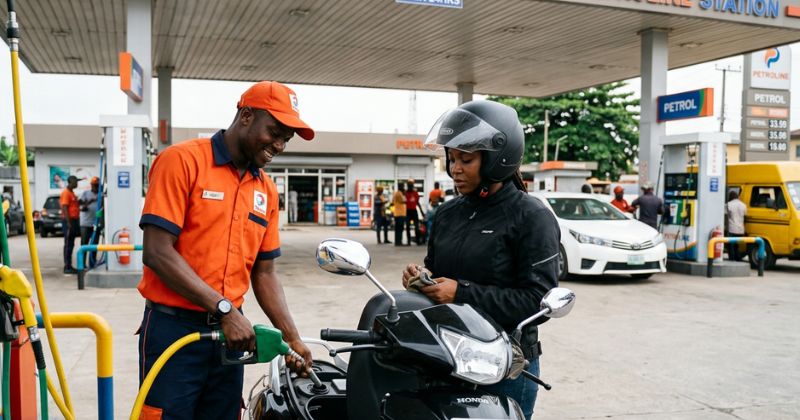
Expected Pump Price Changes
The table below sets out how these price changes are expected to be reflected at the pumps, noting that diesel prices shown here reflect wholesale figures, and that actual pump prices will differ accordingly.
Inland Prices
| Fuel Type | August Official | September Expected |
|---|---|---|
| 93 Petrol | R25.42 | R26.05 |
| 95 Petrol | R25.58 | R26.32 |
| Diesel 0.05% (wholesale) | R26.17 | R28.90 |
| Diesel 0.005% (wholesale) | R26.90 | R29.79 |
| Illuminating Paraffin | R18.76 | R20.91 |
Coastal Prices
| Fuel Type | August Official | September Expected |
|---|---|---|
| 93 Petrol | R24.63 | R25.26 |
| 95 Petrol | R24.71 | R25.45 |
| Diesel 0.05% (wholesale) | R25.30 | R28.03 |
| Diesel 0.005% (wholesale) | R25.64 | R28.53 |
| Illuminating Paraffin | R17.70 | R19.85 |
Inland prices are consistently higher than coastal prices in South Africa mainly because of the additional transport costs involved in moving fuel further away from the coastal refineries and import terminals.

Post Iran War Price Adjustments
The table below tracks the month-on-month price adjustments recorded since the outbreak of the Iran war, illustrating just how volatile the situation has been for both petrol and diesel prices.
| Month | Petrol 95 | Diesel 0.005% |
|---|---|---|
| March | +R0.20 | +R0.65 |
| April | +R3.06 | +R7.51 |
| May | +R3.27 | +R5.27 |
| June | +R1.43 | -R2.62 |
| July | -R1.96 | -R3.59 |
| August | -R0.52 | +R1.23 |
| Total difference | +R5.48 | +R8.45 |
| September (current recovery) | +R0.74 | +R2.89 |
| Projected difference | +R6.22 | +R11.34 |
Conclusion
South Africans should brace themselves for another difficult month at the pumps, with both petrol and diesel prices set to climb further in September as the conflict in the Middle East continues to unsettle global oil markets. While a stronger rand has managed to soften the blow somewhat, offering motorists some small relief from what could otherwise have been an even steeper increase, the overall outlook remains firmly tied to developments in the Iran war, particularly the fate of the Strait of Hormuz. Until a lasting resolution is reached, fuel prices are likely to remain volatile, and motorists would do well to keep a close eye on both currency movements and oil market news in the weeks ahead.
Fast, uncomplicated, and trustworthy loan comparisons
At Arcadia Finance, you can compare loan offers from multiple lenders with no obligation and free of charge. Get a clear overview of your options and choose the best deal for you.
Fill out our form today to easily compare interest rates from 19 banks and find the right loan for you.