
South Africans due a tax refund this season have a real chance to reduce their outstanding vehicle debt or set aside money for an emergency fund to cover a costly repair. This is according to Marnus Mostert, a franchise principal and financial adviser at Consult Momentum, who believes motorists should reconsider how they use their South African Revenue Service (SARS) refund this time of year. He explained that people need to stop viewing the refund as a windfall or bonus, and instead see it as their own money being returned to them, money that should go towards building long-term financial security rather than being spent on a holiday or shopping spree.
Key Takeaways
- Reframe the refund: A SARS refund isn’t a bonus or windfall, it’s the taxpayer’s own money being returned, and should be treated as a tool for building long-term financial security rather than being spent on discretionary purchases.
- Tackle high-interest debt first: Directing the refund towards an outstanding car loan can lower the interest paid over time, free up monthly cash flow, and help motorists who are behind on repayments avoid legal action or repossession.
- Plan ahead for known costs: Whether it’s building an emergency fund for unexpected repairs or saving towards a balloon payment due at the end of a finance agreement, using the refund proactively can prevent costlier debt down the line.
About Arcadia Finance
Arcadia Finance makes borrowing simple. Choose from 19 trusted, NCR-compliant lenders, pay zero application fees, and enjoy a streamlined process built around your financial needs.
Questions Motorists Should Ask Before Spending Their Refund
Mostert suggested that individuals pause and reflect on the following four questions before deciding what to do with their refund:
- What is the most expensive item currently sitting on my balance sheet?
- What would happen financially if something were to go wrong next month?
- Am I overlooking any valuable tax breaks that I could be taking advantage of?
- What do I actually want this money to achieve for me?
It can help to write these four questions down and answer them honestly before the refund even lands in your bank account, since money that arrives without a plan attached to it is far more likely to be spent impulsively.
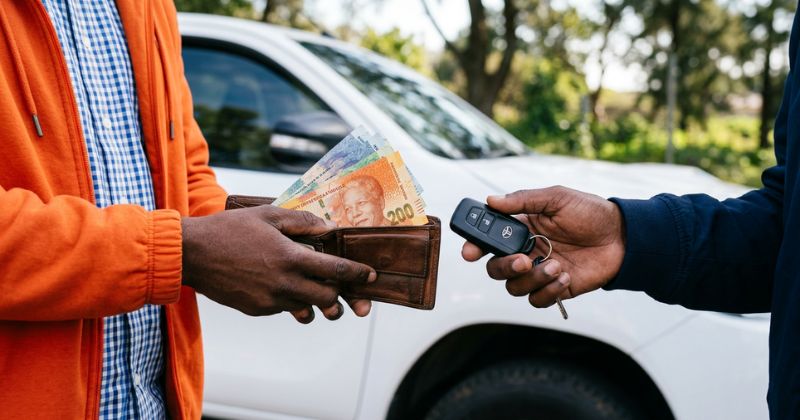
Using the Refund to Pay Down a Car Loan
For those motorists who are currently repaying a vehicle finance agreement, a SARS refund presents a useful opportunity to bring down the outstanding balance owed on that loan.
Mostert explained that if expensive debt is placing strain on a person’s monthly budget and adding to their overall stress levels, then putting the refund towards that debt could help them get back on top of their finances. He added that directing extra funds towards what is owed can lower the amount of interest paid over time and can also free up a larger portion of monthly income going forward.
Allocating the SARS refund towards an outstanding car loan is regarded as a strategic move, since it ensures that a high-interest account is settled more quickly. This, in turn, allows the income that is freed up as a result to be redirected towards paying off other outstanding debts.
Before making a lump-sum payment towards a car loan, it is worth checking with the finance provider whether the agreement carries any early-settlement penalties, since some contracts charge a fee for reducing the balance ahead of schedule.
Alternative Option: Building an Emergency Fund
As an alternative to reducing vehicle debt, motorists also have the option of channelling their SARS refund into an emergency fund, which could then be drawn on for unforeseen costs such as vehicle maintenance.
Mostert noted that life has a tendency to throw up surprises at exactly the moment a person feels they are finally making financial progress. He used the example of a geyser bursting unexpectedly, or a car suddenly requiring an expensive repair, as the kind of situations that can catch households off guard.
He explained that having an emergency fund in place gives a person something to rely on when an unexpected bill arrives, allowing them to cover that cost without having to take on further debt in the process.
Smart Ways Motorists Can Use Their Tax Refund
Vehicle and asset finance provider WesBank has offered similar guidance to motorists who have already received their tax refund, with the company also recommending that the money be used to settle outstanding vehicle debts.
The finance provider explained that when a lump-sum tax refund is paid directly into a vehicle loan account, it can meaningfully reduce the principal balance owed, which in turn lowers the total amount of interest paid across the full duration of the finance agreement.
For motorists who have fallen behind on their monthly instalments because of financial pressure, a SARS refund could also be used to settle any arrears that have built up, helping to prevent the finance provider from taking legal action or repossessing the vehicle.
Preparing for Balloon Payments
Balloon payment arrangements are another area where a tax refund can prove useful, since South Africans who sign a vehicle finance agreement that includes a balloon payment are required to settle one large sum once their contract comes to an end.
Using a lump sum such as a SARS refund is regarded as an effective way of preparing for this final payment, given that many motorists are taken by surprise by the size of the amount owed and are then forced to refinance the balloon payment instead.
A refinanced balloon payment can end up stretching into an additional twelve to forty-eight months of repayments, plus interest, which is why it is in every motorist’s best interest to make sure they are able to pay it off once their vehicle loan term reaches its end.
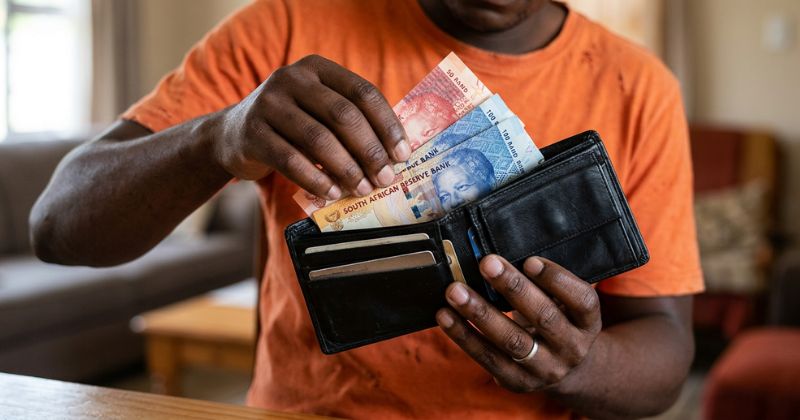
Quick Comparison: Where Should Your Refund Go?
| Option | Best suited for | Main benefit |
|---|---|---|
| Paying down car loan balance | Motorists with high-interest vehicle debt | Reduces interest paid and frees up monthly cash flow |
| Clearing arrears | Motorists behind on instalments | Avoids legal action or repossession |
| Emergency fund | Motorists with stable, up-to-date accounts | Covers unexpected repairs without new debt |
| Saving towards a balloon payment | Motorists nearing the end of a balloon finance agreement | Avoids costly refinancing over 12 to 48 extra months |
A hybrid approach can often work well too, such as splitting the refund between reducing the car loan and starting an emergency fund, rather than putting the full amount towards a single goal.
Conclusion
How South Africans choose to use their SARS refund this tax season can have a lasting impact on their financial wellbeing, particularly for motorists carrying vehicle debt. Rather than letting the money disappear into short-term spending, putting it towards a car loan, clearing arrears, building an emergency fund, or preparing for a balloon payment offers a practical way to reduce financial strain and avoid costlier debt further down the line. As both Mostert and WesBank suggest, treating the refund as a deliberate financial tool rather than unexpected cash is the key to making it count.
Fast, uncomplicated, and trustworthy loan comparisons
At Arcadia Finance, you can compare loan offers from multiple lenders with no obligation and free of charge. Get a clear overview of your options and choose the best deal for you.
Fill out our form today to easily compare interest rates from 19 banks and find the right loan for you.