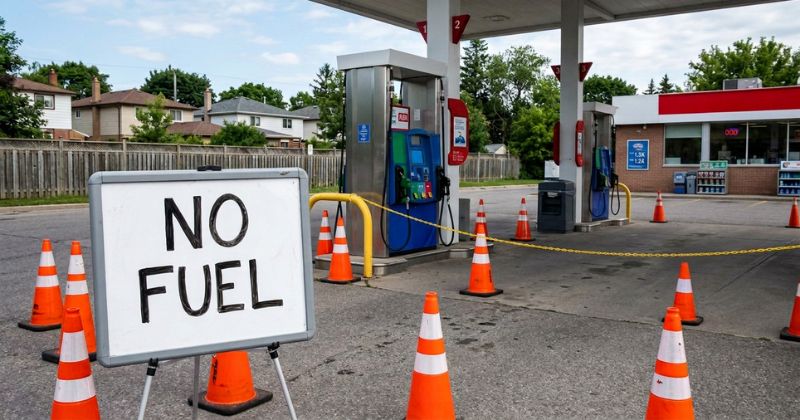
Jet fuel suppliers in South Africa need to hold higher stock levels to cope with production outages, such as last week’s disruption at Sasol’s Natref refinery, which forced airlines to draw up backup arrangements, according to Chief Executive Officer Simon Baloyi, who says that while Natref’s fixes leave only a low probability of shortages at OR Tambo International Airport, suppliers should still be far better prepared.
Key Takeaways
- Low inventory is the core problem: South African jet fuel suppliers are running stock levels too thin to absorb refinery outages like the one at Natref, leaving airlines scrambling for contingency plans.
- Geopolitics is raising the stakes: Oil price and supply shocks linked to the Iran war have pushed South Africa and other import-reliant African nations to seek new fuel sources, making higher reserves more urgent.
- Regulatory and private-sector responses are underway: The government has proposed a 60-day reserve requirement (with wholesalers holding 21 days individually), while Vivo Energy is building 300,000 cubic metres of new storage capacity in Durban.
About Arcadia Finance
Skip the stress of loan-hunting. Arcadia Finance connects you with 19 trusted, NCR-registered lenders, no application fees involved, so you can find the right fit quickly and with confidence.
Airlines Draw Up Contingency Plans
Last week, airlines put contingency arrangements in place, and South Africa’s Department of Energy called an emergency meeting involving the airport authority and the Fuels Industry Association of South Africa, all because of the disruption at the refinery.
- Airlines activated backup fuel supply plans as a precaution
- The Department of Energy convened an urgent meeting with industry stakeholders
- OR Tambo International Airport and the Fuels Industry Association of South Africa were both involved in the discussions
The Fuels Industry Association of South Africa (FIASA) represents the country’s major fuel wholesalers and plays a central role in coordinating responses whenever supply chains come under strain.

Geopolitical Pressures Add to Supply Risk
Bearing in mind the current state of geopolitics, which has brought about shocks to both oil prices and the physical availability of oil as a consequence of the Iran war, Baloyi expressed surprise at how inadequate the jet fuel inventory levels held by suppliers actually were.
Operational plants are, by their very nature, operational plants, he explained, meaning that output will inevitably rise and fall, and businesses cannot afford to run on low inventory as a result.
The conflict involving Iran has compelled South Africa, together with other nations across the continent that depend on imported fuel, to seek out fresh sources of supply.
This situation has, in turn, underscored the necessity of maintaining higher inventory levels in order to guard against future shortages.
Government Proposes Bigger Fuel Reserves
In July, the Department of Mineral and Petroleum Resources put forward a proposal requiring that sixty days’ worth of demand be covered by reserves, with roughly two-thirds of that reserve made up of crude oil and the remaining portion consisting of refined oil products.
Under the proposed plan, licensed wholesalers and importers would additionally be obliged to maintain twenty-one days of inventory.
Proposed Reserve Requirements
| Category | Requirement | Composition |
|---|---|---|
| National strategic reserve | 60 days of demand | Roughly two-thirds crude oil, remainder refined products |
| Licensed wholesalers and importers | 21 days of inventory | Held individually by each company |
Sixty days of strategic reserves would bring South Africa closer in line with the International Energy Agency’s recommendation that member countries hold at least ninety days of net oil imports in reserve, a benchmark many African nations still fall well short of.
Fuel Storage Capacity Set to Expand in Durban
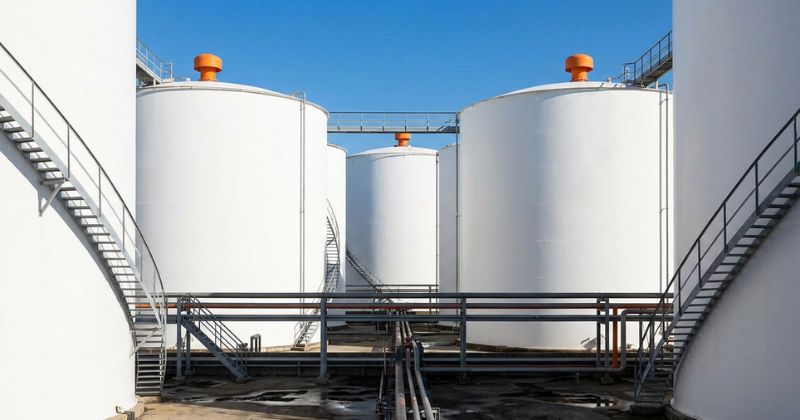
A major energy company is constructing new fuel storage tanks on the site of a former refinery in Durban, a port city on South Africa’s eastern coast, as part of a R2.1 billion project that had already begun before the outbreak of the war.
This new facility, which will provide 300,000 cubic metres of storage capacity, is scheduled to be completed during the third quarter of next year.
Durban is home to South Africa’s busiest shipping port, making it a strategically important location for fuel storage, since imported products can move quickly from tanker to tank to inland distribution networks without lengthy overland transport.
Conclusion
South Africa’s jet fuel supply chain is being tested by a combination of ageing domestic refining capacity and mounting geopolitical pressure, and the Natref disruption has made clear that current inventory buffers are too thin to absorb even short-term shocks without prompting emergency contingency planning. While the proposed 60-day reserve requirement and Vivo Energy’s new storage facility in Durban represent meaningful steps toward greater resilience, both remain works in progress, and until they are fully realised, the country will stay vulnerable to the kind of supply disruptions that Baloyi warns suppliers are still not adequately prepared for.
Fast, uncomplicated, and trustworthy loan comparisons
At Arcadia Finance, you can compare loan offers from multiple lenders with no obligation and free of charge. Get a clear overview of your options and choose the best deal for you.
Fill out our form today to easily compare interest rates from 19 banks and find the right loan for you.