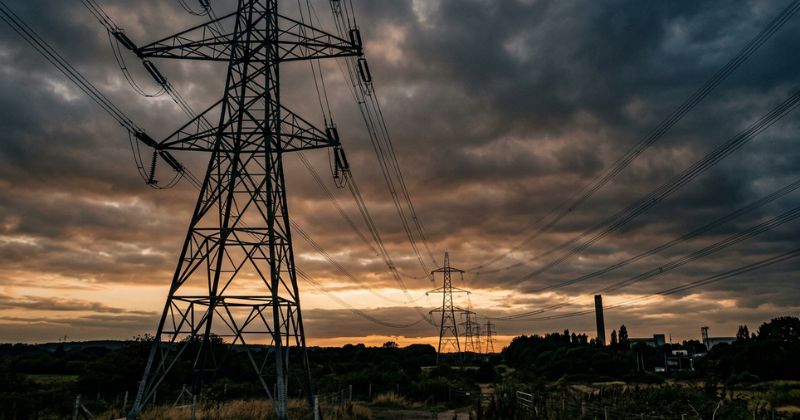
South Africa’s Cabinet has approved the publication of the Revised Electricity Pricing Policy for public comment, aiming to bring greater transparency to the country’s tariff structure, following years of steep hikes that have more than doubled household electricity prices over the past five years.
Key Takeaways
- Steep, compounding tariff hikes: South African households have seen electricity prices more than double over the past five years, with Eskom locking in further 8.8% increases for both 2026 and 2027.
- A push for transparency and reform: The Revised Electricity Pricing Policy will unbundle tariffs across generation, transmission, distribution and retail, giving NERSA a clearer framework to regulate pricing interfaces.
- A shift away from Eskom’s monopoly: The draft Market Transformation Position Paper aims to reduce reliance on a single supplier, opening the door to more competition, investment and long-term cost reductions.
About Arcadia Finance
Arcadia Finance makes borrowing simple and secure. With zero application fees and access to 19 reputable, NCR-compliant lenders, you can compare your options with confidence and find the right fit for your financial goals.
A Fresh Round Of Increases
Following a long run of double digit increases, Eskom secured approval for an 8.8% tariff hike for the 2026 financial year, which came into effect in April. A further increase of 8.8% has already been lined up for the 2027 financial year.
Compounding is the reason these percentage hikes feel so painful over time. An 8.8% increase does not simply add 8.8% to the original 2021 price; it adds 8.8% on top of every previous year’s already inflated tariff, which is why household bills have snowballed so dramatically.
Although Eskom has managed to avoid implementing load shedding over the past year, the soaring cost of electricity, and the knock on effect this has on production costs and the general cost of living, has now emerged as the sector’s new crisis.

Updating An Outdated Policy Framework
The newly revised pricing policy is designed to replace and modernise the 2008 Electricity Pricing Policy, ensuring it properly reflects the many developments that have taken place within the electricity supply industry since then.
Key Developments Driving The Revision
Several major shifts in the sector have made the update necessary, including:
- The unbundling of Eskom into separate divisions
- A more diversified national energy mix
- The growing presence of independent power producers entering the market
“Unbundling” refers to splitting a single, vertically integrated utility, in this case Eskom, into separate entities for generation, transmission and distribution. The idea is that separating these functions can improve accountability and make it easier to introduce competition into parts of the supply chain.
According to Cabinet, the policy will strengthen the regulatory framework that governs electricity prices, tariffs and charges, while also providing greater tariff transparency by unbundling tariffs across the generation, transmission, distribution and retail segments of the industry.
This is intended to consolidate the regulatory arrangements that apply to electricity pricing across a number of different interfaces, such as those that exist between generators and traders.
The policy will further establish a framework through which these interfaces can be regulated by the National Energy Regulator of South Africa, commonly referred to as NERSA.
Ultimately, the policy is designed to support the rollout of cost reflective tariffs, meaning prices that more accurately represent the true cost of supplying electricity, while still protecting vulnerable users and strategically important sectors of the economy.

A Broader Push Towards Market Transformation
Alongside the revised pricing policy, Cabinet has also approved the publication of the draft Electricity Sector Market Transformation Position Paper, which will likewise be opened for public comment.
Moving Away From A State Controlled System
This position paper sets out a framework for how South Africa can gradually shift away from its current, state controlled electricity system and move towards a more competitive energy market.
Doing so would bring the country’s energy sector into closer alignment with existing regulations, including the Electricity Regulation Amendment Act and the broader Energy Action Plan.
Reducing Reliance On A Single Supplier
South Africa’s Cabinet has indicated that the position paper is intended to bolster the country’s energy sector by reducing its dependence on a single electricity supplier.
It stated that the proposed reforms are aimed at improving energy security and reliability by lessening reliance on a single electricity supplier, while also enabling wider participation in electricity generation and trading.
It further noted that the reforms are also intended to attract investment into electricity generation, transmission and distribution infrastructure, support job creation and economic growth, and reduce electricity costs over the longer term.
South Africa’s Independent Power Producer Procurement Programme, launched back in 2011, was one of the earliest steps towards diversifying the country’s electricity supply away from Eskom, and has since attracted billions of rand in renewable energy investment.
Eroded Public Confidence In Eskom
At present, Eskom remains South Africa’s sole bulk electricity provider. However, years of load shedding combined with continuous, steep price increases have steadily eroded public confidence in the state-owned company.

Electricity Tariff Increases In South Africa
The table below sets out how tariff increases have progressed over recent financial years, both for Eskom’s direct customers and for municipalities.
| Financial Year | Tariff Increases For Eskom Direct Customers | Tariff Increases For Municipalities |
|---|---|---|
| 2021/2022 | 15.06% | 14.59% |
| 2022/2023 | 9.61% | 7.47% |
| 2023/2024 | 18.65% | 18.49% |
| 2024/2025 | 12.74% | 12.72% |
| 2025/2026 | 12.74% | 11.32% |
| 2026/2027 | 8.76% | 9.01% |
Municipalities typically buy electricity in bulk from Eskom and then resell it to residents, often adding their own surcharge on top, which is one reason municipal tariff increases do not always match Eskom’s direct customer increases exactly.
Conclusion
The revised pricing policy and the draft market transformation paper signal a deliberate shift in how South Africa intends to manage electricity costs and supply going forward, moving away from years of opaque, Eskom-driven price hikes towards a system built on transparency, diversified generation and genuine competition. While these reforms will take time to work through public comment and eventual implementation, they represent one of the clearest indications yet that the government sees the current pricing model, and Eskom’s near-total dominance of the sector, as unsustainable for both households and the broader economy.
Fast, uncomplicated, and trustworthy loan comparisons
At Arcadia Finance, you can compare loan offers from multiple lenders with no obligation and free of charge. Get a clear overview of your options and choose the best deal for you.
Fill out our form today to easily compare interest rates from 19 banks and find the right loan for you.