
A fresh report from Old Mutual reveals that South Africa’s financial divide is becoming more pronounced, with a growing number of working people leaning on borrowed money and gambling activity to manage their day to day living costs as financial pressure continues to build.
Key Takeaways
- The financial divide is widening: Higher earners are saving and investing more, while lower-income South Africans face rising debt, gambling reliance, and financial stress, with those earning under R30 000 a month hit hardest.
- Debt is increasingly survival-driven, not discretionary: Personal loans jumped from 54% to 64% of respondents year on year, with most borrowing driven by unforeseen financial shocks rather than optional spending.
- Gambling is shifting from entertainment to a coping mechanism: Over half of gamblers started to make extra money, and the share reporting financial harm from gambling nearly doubled, from 12% to 22%, with lower-income earners bearing the greatest toll.
About Arcadia Finance
Borrowing made easy as Arcadia Finance connects you with 19 reputable, NCR-compliant lenders, with zero application fees. Enjoy a smooth, secure process designed around your financial needs.
A Widening Financial Divide
According to the Old Mutual Savings & Investment Monitor 2026, South Africans who are financially comfortable and those who are struggling to get by are drifting further apart, as an increasing share of employees resort to borrowing and gambling in an effort to remain financially afloat.
Although a portion of South Africans continue to grow their savings and invest towards their future, a considerable number of others are becoming ever more dependent on credit purely to manage routine household expenses, highlighting the widening gap in financial wellbeing across the country.
The study revealed that four in ten (40%) working South Africans classified themselves as either highly or overwhelmingly financially stressed, and this sense of strain has climbed most steeply among those earning under R30 000 a month.
Financial stress does not only affect spending habits, it has also been linked internationally to reduced productivity and higher absenteeism in the workplace, which is why many employers now offer financial wellness programmes as part of employee benefits.

Borrowing Patterns Reveal Deepening Strain
The widening divide is also reflected clearly in how South Africans are borrowing money. Almost two thirds (64%) of those surveyed now carry some type of personal loan, a marked increase from 54% recorded the previous year.
Rather than taking on credit for optional or luxury spending, a large number of respondents indicated that their borrowing was aimed at covering essential, basic needs.
Why South Africans Are Taking On Debt
- More than a quarter of respondents borrowed simply to make ends meet
- Others took loans specifically to settle existing debts
- Some borrowed funds to carry out repairs on their homes
- A number of respondents used credit to manage unexpected or emergency expenses
Almost two-thirds (62%) of respondents confirmed that their most recent loan had been triggered by an unforeseen financial setback rather than planned spending.
Two Distinct Financial Realities Emerging
The findings from the monitor point to two increasingly separate financial worlds taking shape among South Africans.
Those earning higher incomes were considerably more likely to report putting money away consistently, investing for the future and feeling secure in their financial position. By contrast, households with lower incomes were hit disproportionately hard by increasing living expenses, mounting debt and heightened financial stress.
Gambling Emerging As A Financial Coping Mechanism
The ongoing financial pressure appears to be changing the way many South Africans attempt to make ends meet, with a rising number turning to gambling in the hope of boosting their income or clearing outstanding debts.
More than half (53%) of employed South Africans gamble in some form, while four in ten (42%) admitted that they frequently gamble specifically to help cover household bills or repay debt, a slight rise from 40% recorded in 2025.
Workers on lower incomes were found to be the most likely to depend on gambling as a way of supplementing their finances.
Gambling To Cover Expenses By Income Group
| Monthly Income Bracket | Likelihood Of Gambling To Cover Expenses Or Debt |
|---|---|
| R8 000 to R14 999 | 52% (highest reliance recorded) |
| R30 000 to R59 999 | Notably lower than lower income groups |
Among those earning between R8 000 and R14 999 a month, just over half (52%) said they often gamble to cover expenses or debt, making this group the most reliant on gambling as a financial supplement of all income brackets surveyed.
The overall pattern uncovered by the report suggests that gambling is increasingly functioning as a financial coping strategy rather than purely a leisure activity, a shift that is especially visible among lower-income earners.
Behavioural economists refer to this pattern as “loss chasing” or using risk to solve financial shortfalls, and research shows it tends to worsen financial strain rather than relieve it, since gambling losses are, on average, more frequent than wins over time.
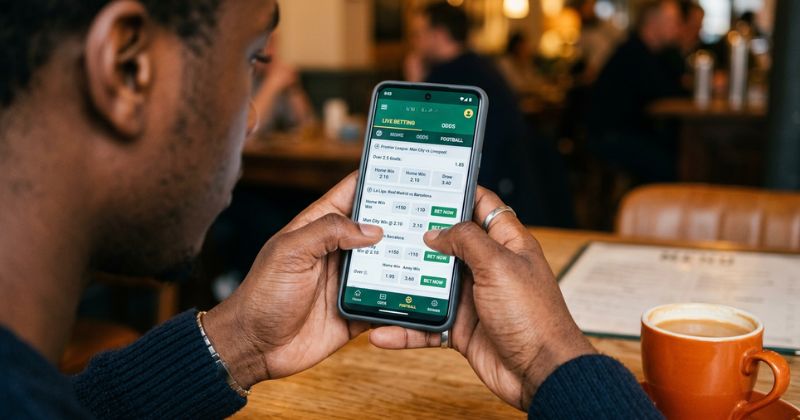
The Rising Financial Toll Of Gambling
The consequences of this shift are becoming increasingly visible. The share of working South Africans who reported that gambling had caused them financial difficulty climbed sharply, from 12% in 2025 to 22% in 2026.
Looking specifically at gamblers themselves, 41% reported that gambling had led to financial hardship, up considerably from 24% the year before.
Why People Start Gambling
Financial pressure stands out as the leading reason South Africans begin gambling in the first place.
- More than half of gamblers (53%) said they took up gambling as a way to try to make extra money
- Just under a third (31%) said they started for entertainment purposes
- Almost three in ten (29%) said they were introduced to gambling by friends or work colleagues
Among lower income earners specifically, the motivation to gamble for extra income was even stronger. Of gamblers earning between R8 000 and R14 999 a month, 61% said they had started gambling primarily to make additional money.
Popular Forms Of Gambling In South Africa
Sports betting continues to dominate the gambling landscape in the country.
Preferred Gambling Activities Among South African Gamblers
| Type Of Gambling | Percentage Of Gamblers Who Participate |
|---|---|
| Sports betting | 63% |
| Slot machines | 46% |
| Lotto | 42% |
| Casino table games | 26% |
| Horse racing | 11% |
Gambling Among Younger South Africans And Men
The report also identified clear demographic patterns in gambling behaviour. Gambling participation is notably higher among younger adults and among men.
Close to six in ten adults aged between 18 and 29 gamble, compared with only 40% of those aged 50 and older. Men were also found to gamble at a higher rate than women, with 58% of men participating compared with 47% of women.
While the majority of gamblers play on a weekly or monthly basis, the report flagged that 9% gamble every single day or almost every day, a pattern that raises concerns about potentially harmful or compulsive gambling behaviour.
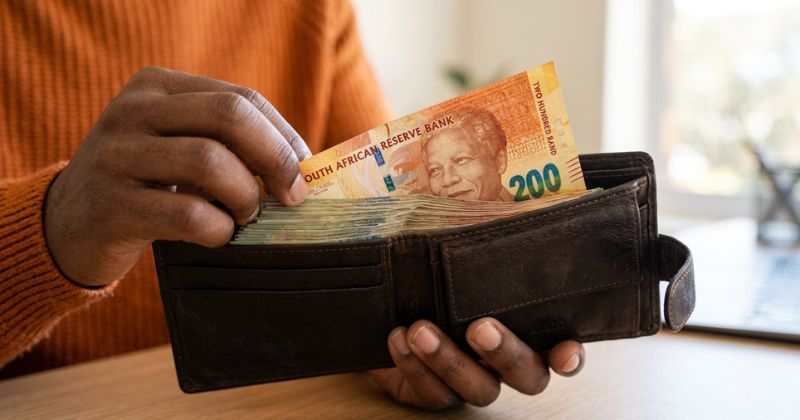
Financial Toll Heaviest Among Lower Income Gamblers
The financial damage caused by gambling was found to be greatest among gamblers earning lower incomes. Just over half (54%) of gamblers earning between R8 000 and R14 999 a month reported that gambling had caused them financial difficulties.
This is considerably higher than the 24% recorded among gamblers earning between R30 000 and R59 999 a month, further reinforcing the report’s broader finding that South Africa’s financial divide is deepening, with those already under the greatest financial strain facing the heaviest consequences from gambling as a coping mechanism.
Conclusion
The Old Mutual Savings & Investment Monitor 2026 paints a sobering picture of a country splitting into two increasingly separate financial realities: one group steadily building savings and security, and another sinking deeper into debt and risky financial behaviour simply to survive month to month. As borrowing rises and gambling shifts from a form of entertainment into a desperate coping strategy, it is South Africa’s lowest earners who are absorbing the greatest financial harm, a trend that, without meaningful intervention through financial education, responsible lending practices and stronger safeguards around gambling, looks set to widen the country’s economic divide even further in the years ahead.
Fast, uncomplicated, and trustworthy loan comparisons
At Arcadia Finance, you can compare loan offers from multiple lenders with no obligation and free of charge. Get a clear overview of your options and choose the best deal for you.
Fill out our form today to easily compare interest rates from 19 banks and find the right loan for you.